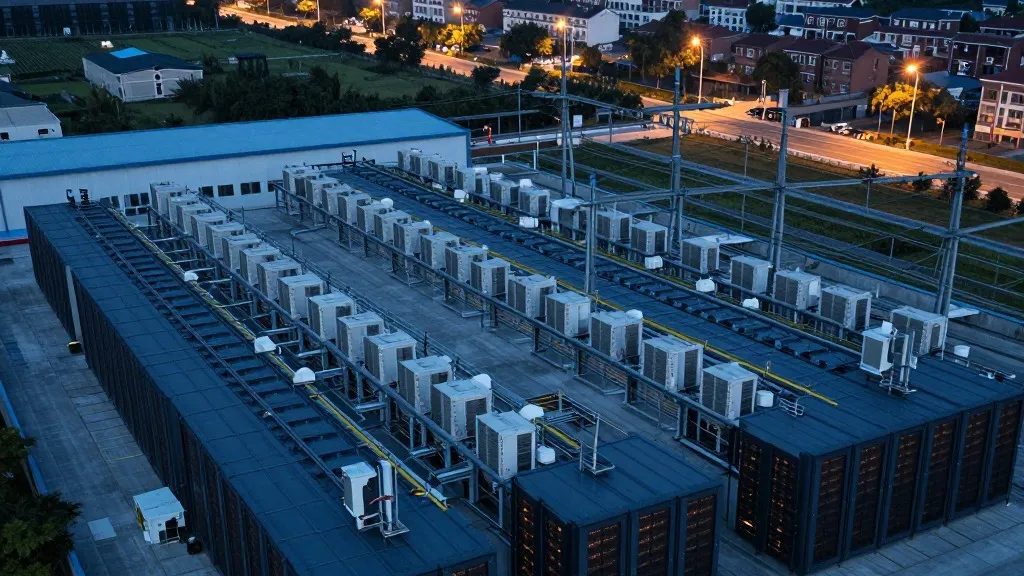
Amazon Dumps Four-Data-Center Plan for Loudoun County Housing Project
The tech giant will convert a 122-acre site into residential and mixed-use spaces, donating land for arts and recreation to end local disputes.
By Juan Gonzalez ·
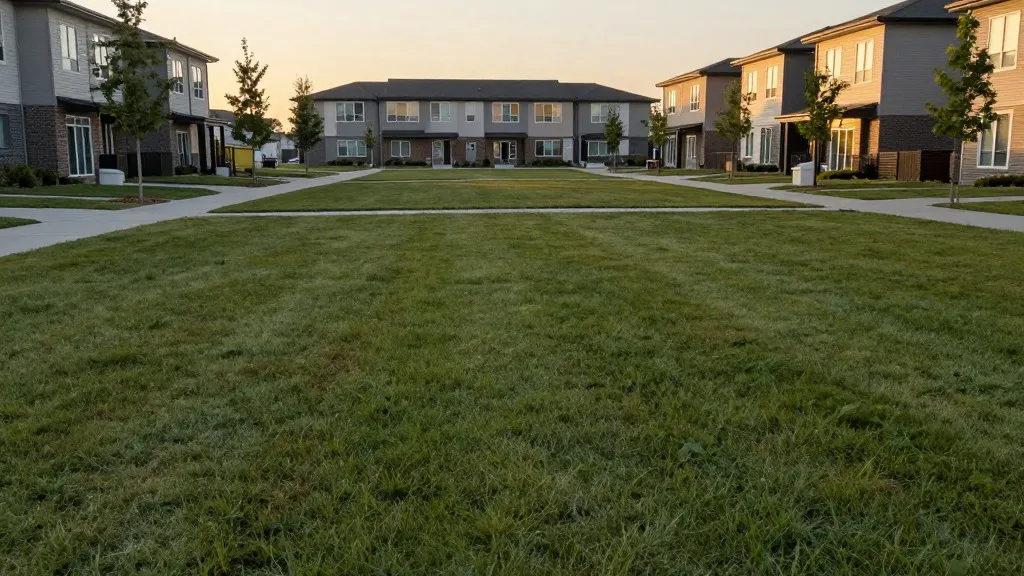
Amazon has officially abandoned plans to build four new data centers on a 122-acre parcel in Loudoun County, Virginia. The company will instead repurpose the majority of the land for mixed-use and residential development. This decision follows intense pushback from local residents who opposed the new facilities. The site is located just outside Washington, D.C., near the former campus of George Washington University.
As part of the new arrangement, Amazon will donate 25 acres of the property to Loudoun County. These lands are designated for a community arts center and a new recreational facility. Additionally, the company will contribute $5 million to the county’s housing fund. This financial injection aims to support the construction of attainable homes for working families. The shift marks a significant change in strategy for the company in this region.
Loudoun County is already known as Data Center Alley. It holds the largest concentration of data centers on the planet. The area has seen rapid growth in infrastructure to support cloud computing and storage needs. However, the recent surge in artificial intelligence demand has intensified pressure on local resources. Residents have expressed strong concerns about the noise generated by these massive facilities. They have also cited the enormous amount of electricity required to keep the centers running.
The dispute began when Amazon submitted its proposal in July. By September, the company met with Phyllis J. Randall, the chair of the Loudoun County Board of Supervisors. During these discussions, county officials suggested that Amazon might find a better use for the land. They argued that the site’s legal development potential differed from the company’s initial vision. This led to a period of negotiation rather than immediate legal action.
Josh Weissman, Amazon’s vice president for data center development, explained the company’s perspective. He stated that Amazon had immediately wanted to purchase the former university campus when it became available. However, the company acknowledged the county’s pointed concerns about development at this specific site. Weissman noted that while Amazon viewed the legal potential differently, they wanted to avoid costly litigation. He concluded that a shared vision for the campus was the best outcome for everyone involved.
The broader context involves a national debate over data center expansion. The growth of cloud services and AI has driven demand for larger facilities. This expansion often clashes with local community interests. Issues include rising electricity prices, water shortages, and environmental impact. In response, officials have begun adjusting their approaches to these projects. Just before this news broke, President Donald Trump called for data center builders to pay local communities a dividend. He also suggested that these facilities should generate their own power and sell excess energy back to the grid.
County officials celebrated the agreement as a success of negotiation. Randall stated that choosing dialogue over disagreement created a valuable opportunity for the county. She highlighted that the agreement provides new spaces for residents to gather, create, and play. Most importantly, she emphasized that the project will provide more attainable homes for working families. This outcome contrasts with the initial plan for pure data center infrastructure.
The change in plans reflects a growing trend in the region. Local communities are becoming more wary of the impact these mammoth facilities have on their daily lives. Spikes in electricity prices and infrastructure strain are key concerns. While data centers are necessary for modern technology, the pace of expansion has outpaced local readiness. The Loudoun County case shows that developers may need to adapt to local concerns to secure their projects.
The next steps involve the finalization of the development plans for the mixed-use and residential areas. The county will oversee the use of the donated 25 acres for the arts center and recreational facility. The $5 million housing fund contribution will be allocated according to county guidelines. This transition from a tech-focused project to a community-focused one represents a notable shift in how major tech companies engage with local governments in the Washington, D.C., metropolitan area.
Source: Tom's Hardware