American Dental Association data shows dry mouth affects 30% of seniors
Experts identify dehydration, medication, and autoimmune conditions as primary drivers for a condition that complicates eating and denture fit.
By Sanjay Caldwell ·
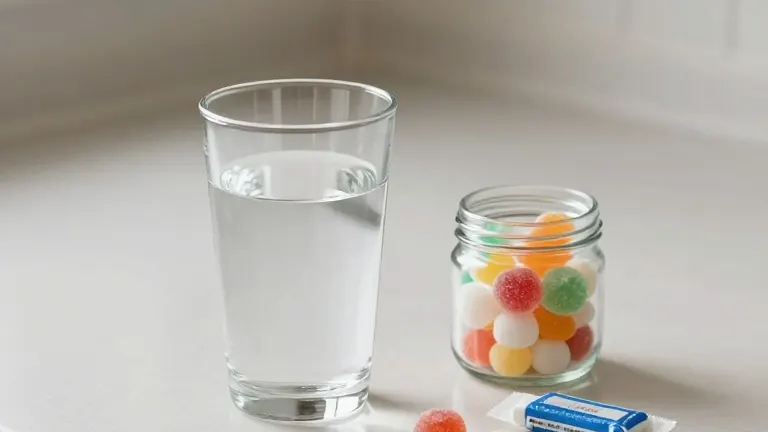
Dry mouth impacts three in ten adults aged 65 and older, according to data from the American Dental Association.
The condition, known as xerostomia, occurs when salivary glands fail to produce adequate fluid. Dr. Rhea Rogers, a board-certified physician, stated that identifying the underlying cause is the first step in treatment. She noted that dehydration is a common factor, explaining, “If you’re dehydrated you’re not producing fluid.” Other potential causes include nerve damage, cancer, autoimmune disorders, and specific medications. Rogers emphasized that dry mouth can serve as an early indicator of internal health issues, even in patients who appear otherwise healthy. She said, “That might be their clue that you have something going on in your body. And this is your early sign.”
Gerontologist “Sam” Cradduck compared the function of saliva to engine oil in a vehicle. She explained, “People don’t realize just how important saliva is,” and noted that without it, talking, eating, and chewing become difficult. Rogers added that saliva cleanses the mouth and protects tooth enamel. For patients with dentures, a lack of saliva can alter the fit of the appliance, leading to discomfort, pain, and additional sores.
Management strategies vary by individual. Cradduck, who manages her own dry mouth resulting from an autoimmune condition, uses gum, candy, and hard drops to stimulate saliva production. She advised against using mouthwashes with high alcohol content, as alcohol can dry the mouth further. She also recommended avoiding alcohol consumption and smoking. For patients whose salivary glands have been removed, such as those treated for cancer, adhesive drops placed on the gums can provide relief. Rogers clarified that medical treatments generally work by stimulating underactive glands or providing external moisture when glands cannot produce fluid on their own.
Aging expert Amy O’Rourke recommended that patients discuss their oral health with their dentist during routine visits. She suggested asking, “How’s my mouth doing? How’s the dryness?” O’Rourke identified frequent coughing, recurring infections, and the avoidance of specific foods as warning signs that require professional attention. She advised patients to stay proactive by reaching out to healthcare providers to address these symptoms early.
The American Dental Association reports that 40% of adults aged 80 and older experience dry mouth. The condition presents with symptoms including soreness, bad breath, and difficulty managing dentures. Clinical guidance focuses on identifying whether the root cause is temporary, such as dehydration, or chronic, such as an autoimmune disorder or medication side effect.