Democrats plan grocery price cuts
New congressional leaders vow to tackle high food costs despite presidential vetoes and state-level initiatives.
By Takeshi Faure ·
Hakeem Jeffries will lead the House Democratic majority starting in January. He stated on Friday that reducing high prices is the group's top priority. He called the midterm results a strong rebuke to policies that raised living costs for everyday Americans.
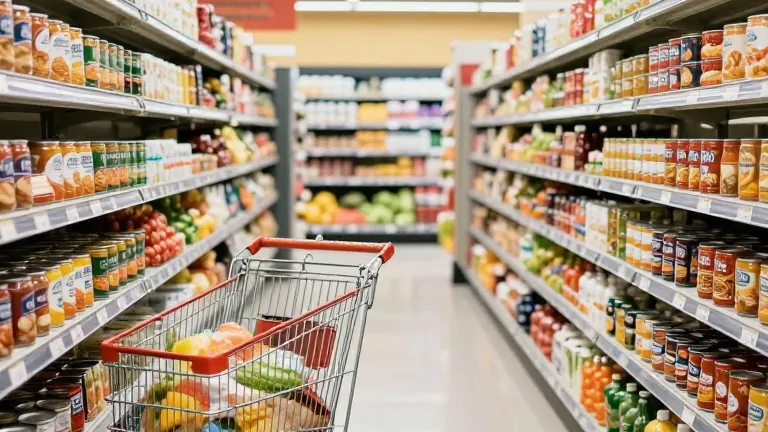
Voters focused on affordability, specifically food expenses, during the campaign. The Trump administration's tariffs and the ongoing conflict in Iran drove prices up. These factors contributed to Democrats winning control of both the House and Senate on Tuesday.
Jeffries faces a difficult path. President Trump remains in office and holds veto power. The Senate lacks a filibuster-proof majority for the Democrats. Trump has shown little interest in reversing his tariffs or ending the Iran war. Both actions are key to lowering food costs.
Lael Brainard, who leads The Kitchen Table Project, noted that Americans feel squeezed by prices that seem unnecessarily high. She said voters expect quick relief from Washington.
The incoming Democratic majority plans to roll back tariffs. These duties have raised the cost of imported foods and drinks. They also increase expenses for machine parts and packaging used by the food industry. The Iran war has spiked energy prices, raising transport costs. The closure of the Strait of Hormuz also cut off a large portion of global fertilizer trade.
Several new senators proposed specific measures during their campaigns. James Talarico of Texas pledged to defend WIC and SNAP programs. The Trump administration is overhauling SNAP, which has seen a sharp drop in participation since last summer. Adam Hamilton of Kansas supports a national ban on dynamic pricing in grocery stores. Roy Cooper of North Carolina, among others, vowed to block mergers in the food industry that could raise consumer prices.
Democratic governors also advanced affordability plans in state capitals. At least 28 states will have Democratic governors next year, and ten state legislative chambers switched to Democratic control. Keisha Lance Bottoms in Georgia proposed letting localities suspend sales taxes on groceries, formula, and diapers. Gina Hinojosa in Texas promised to outlaw predatory surveillance pricing and price gouging. Deb Haaland in New Mexico will explore waiving permitting fees for markets in food deserts, similar to an Albuquerque policy. A September poll by the Kitchen Table Project and Global Strategy Group found that nearly half of respondents want to see grocery bills lower within six months.