Detention Center Drops Released Workers on San Ysidro Streets at Midnight
Advocates report that hundreds of detainees have been left without phones or funds after federal orders to release them from Otay Mesa.
By Sanjay Caldwell ·
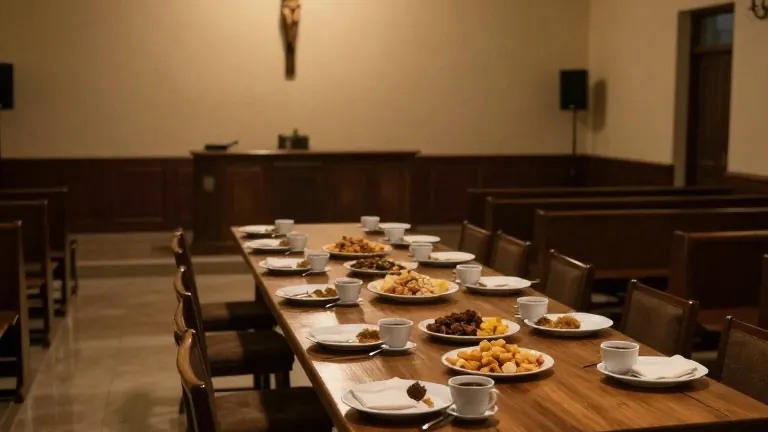
More than 100 people have slept in a former convent in San Diego since October. The building belongs to Our Lady of Guadalupe Church and serves as a resource hub for immigrant families. It now houses men who were recently released from the Otay Mesa Detention Center.
Federal agents have dropped released detainees onto the streets of San Ysidro late at night over the last few months. Human rights volunteers report that these individuals are often left without charged phones, money, food, or transportation. A Guatemalan man named Perez described his release on Tuesday night to KPBS.
Perez was released despite a federal judge's order. He said agents handcuffed him and loaded him into a van. They stopped the bus and left him at the San Ysidro Transit Center around 10 p.m. He had no working phone or cash. He does not know anyone in the area to help him get home.
“They just stopped the bus and threw us out into the street,” Perez said in Spanish. He asked reporters not to use his first name because a deportation case is pending. He was arrested in August while working as a landscaper in Miami. He spent more than three months in detention before being stranded in San Diego.
A volunteer from Detention Resistance, a local advocacy group, took Perez and three other released detainees to the church. The group has put up released detainees in hotels and helped them arrange travel since October. Brinkley Johnson, who manages the center, called the release process cruel and unnecessary.
“The process and protocols that the government takes are deliberate but they are not inevitable,” Johnson said. “And it’s important to recognize that. We could do this completely differently. We could treat people with dignity.” She noted that about nine out of every ten people at the center are working-class individuals with families.
Another man sleeping at the church Tuesday night is Bautista. Federal agents arrested him in July near Orlando while he was coming home from a construction job. He was two miles from his home when local deputies pulled his truck over for speeding. The deputies called federal immigration agents after the stop.
Bautista said ICE agents arrested him and four co-workers. He was not driving at the time. This collaboration between local police and federal agents is common in Florida under 287(g) agreements. These agreements allow local law enforcement to enforce federal immigration law. They are illegal in California.
ICE transferred Bautista to Louisiana and then Texas before moving him to Otay Mesa. He spent four months in that facility. Although immigration detention is civil rather than criminal, Bautista described feeling imprisoned. Guards directed where he went and what he did.
“It’s horrible,” he said. “You don’t have any liberties.” He said he felt bad for detainees who could not afford basic food items because their families could not deposit money into commissary accounts. Some men worked custodial jobs for one dollar a day to buy snacks.
“Three days working to buy a bag of Doritos,” Bautista said. On Wednesday morning, Bautista, Perez, and other men sat at the center over coffee and breakfast. They discussed their families and their time in detention.
Perez has two boys. One of his sons had a birthday on Monday. Perez missed the celebration because he was detained. He is free to attend his other son’s birthday next week. “He’s so excited to see me,” Perez said. “I’m going to be there for him.”