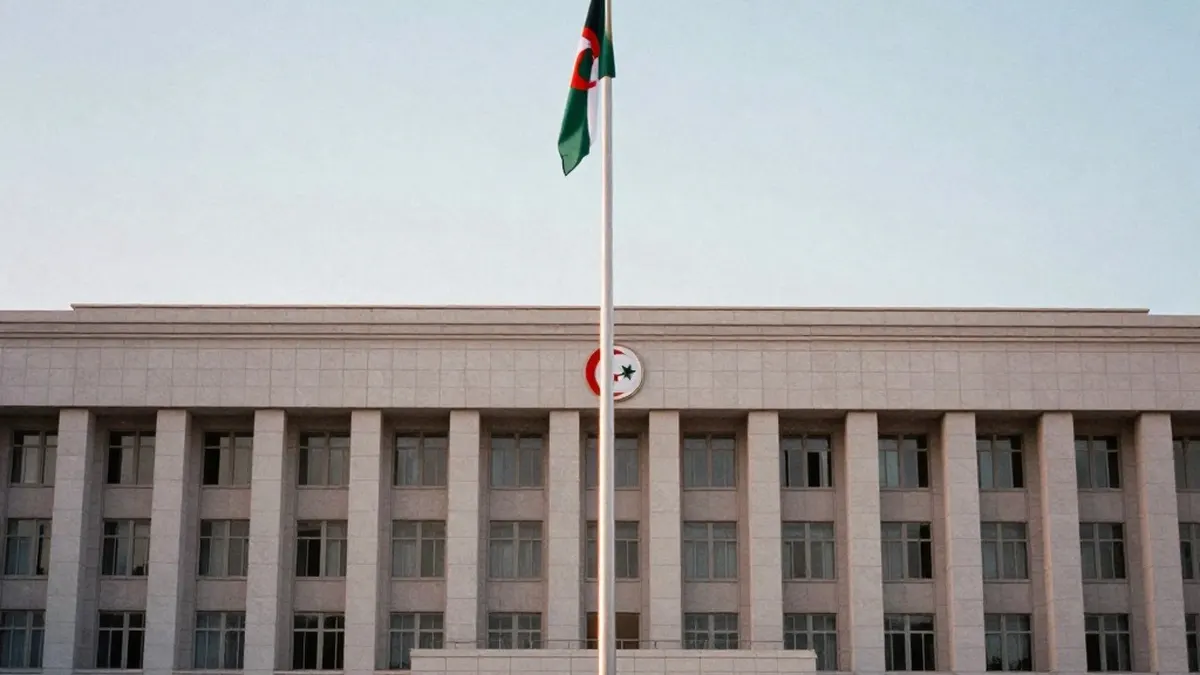
Israel Heads to Polls in Vote Seen as Referendum on Netanyahu's Grip on Power
Israelis vote Tuesday in the first parliamentary election since the October 7 attacks, with former military chief Gadi Eisenkot leading polls against the long-dominant prime minister.
By Hot Media Digest Staff ·
Israelis will go to the polls on Tuesday in the first parliamentary election since the October 7 attacks, a vote that will test how much longer Benjamin Netanyahu can hold on to power. Thirty-nine parties are running, but the contest is widely seen as a referendum on one man.
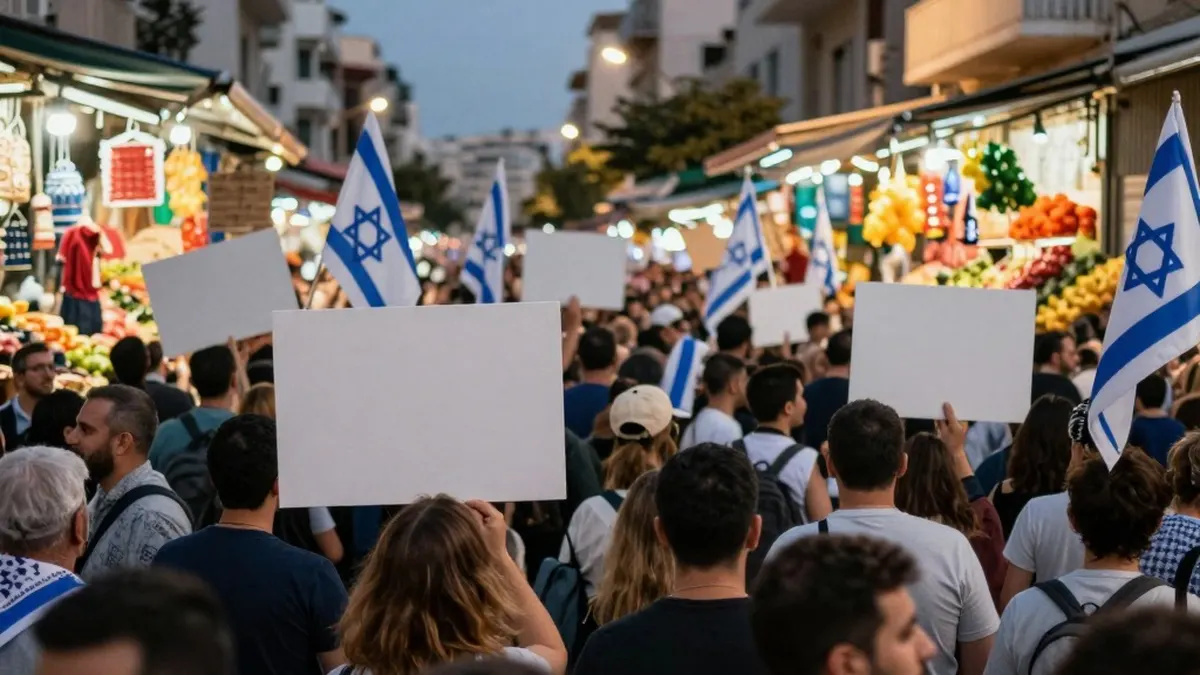
The political temperature was on display in Tel Aviv on Saturday night, when tens of thousands of people marched to demand that Netanyahu's government answer for the failures that led to the attacks. "We cannot be a dictatorship!" one woman said. "And we cannot have these criminals running our country."
Netanyahu, known in Israel as Bibi, has dominated the country's politics for three decades. Opinions of him are deeply divided, a split rooted in the events of October 7, an ongoing corruption trial and other allegations against him.
In a market outside Tel Aviv, the range of views was easy to find. Restaurant owner Benny Abraham said he would vote for Likud and Netanyahu. "Bibi can handle the whole world," he said, calling the prime minister charismatic and adding affectionately, "He's the king of Israel."
Others belong to what is often called the "Anyone but Bibi" camp. A shopper named Liat said she does not hate him and believes he did good things for Israel, "but no more." Her husband Sharon called Netanyahu a very good politician, though not a good manager.
Margalit Moses, 80, said she does not feel protected by the prime minister. She was kidnapped by Hamas on October 7 from Nir Oz, a kibbutz where nearly a third of residents were killed or captured. Although the attacks moved many Israelis further to the right, she hopes for a shift toward the center or slightly left. "If we can make peace with them and live in peace with them, it's, for me, very important," she said of Arabs.
Netanyahu's campaign has cast the election as existential for Israelis. At an intersection less than a mile from the Gaza Strip, political posters read "Right or Palestine," with opposition figures depicted on the left.
The main challenge comes from Gadi Eisenkot, a former military chief of staff whose son was killed fighting Hamas shortly after the Gaza War began. Eisenkot left Netanyahu's government in 2024, accusing the prime minister of prolonging the war and delaying a hostage deal to appease right-wing coalition partners. Polls show his party with a clear lead, though he would likely need a coalition of at least four other parties to govern.
Political analyst Dahlia Scheindlin said Israelis see Eisenkot as "the anti-Bibi, something more pragmatic." She said he is unlikely to change course dramatically on the wars in Gaza and Iran, issues of chief concern to President Trump and the United States. The biggest differences, she said, would be a government without religious extremists, ultra-nationalist populists or Jewish supremacists, and a state commission of inquiry into October 7.
Scheindlin cautioned against writing Netanyahu off despite the polls. "He is the master of engineering politicians, coalition bargaining," she said, adding that Netanyahu could "absolutely" still be prime minister a year from now.
Source: CBS News