One Dead Mussel Larva Triggers Expanded Surveillance at Whitefish Lake
Montana Fish, Wildlife & Parks is intensifying sampling efforts after a single veliger was detected, despite negative DNA tests and a lack of live specimens so far.
By Lucas Sheridan ·
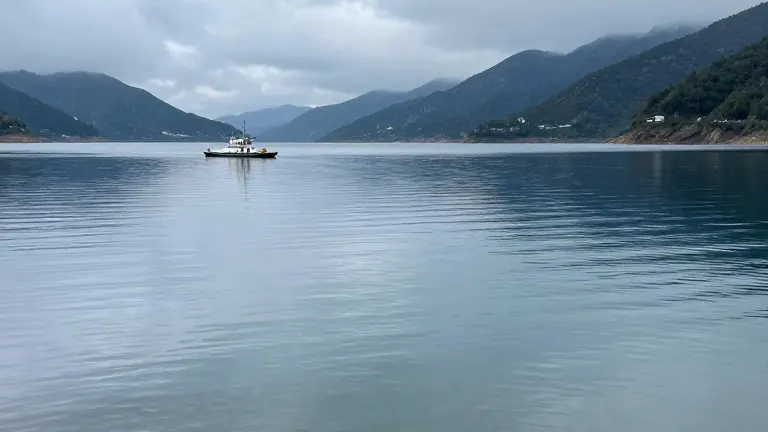
A single nonviable mussel larva found in Whitefish Lake on October 21 has initiated a sustained monitoring campaign by state biologists. The organism, identified as a veliger, was detected by the Montana Fish, Wildlife & Parks Aquatic Invasive Species Early Detection Laboratory in late October. While the find is not a confirmed infestation, it has prompted an immediate expansion of surveillance activities in the northwest Montana watershed.
State biologists collected follow-up water samples and dispatched a dive team to survey the lake for live mussels. Both the dive survey and additional water samples returned negative results for live organisms. Laboratory analysis of the samples also detected no mussel DNA. Despite these negative findings, FWP officials are continuing to employ microscopy and environmental DNA sampling to verify the lake's status.
Tom Woolf, the Aquatic Invasive Species Supervisor for Montana FWP, noted that the negative results are encouraging but do not definitively rule out the presence of invasive species. He stated that with a detection like this, sometimes no other evidence is ever found. Woolf indicated that the agency will continue to evaluate the initial finding and coordinate with the City of Whitefish and the Whitefish Lake Institute to step up sampling and monitoring efforts.
Invasive mussels, including zebra and quagga species, present a direct threat to Montana’s water infrastructure and ecosystems. These organisms can reproduce rapidly and clog water intake systems. In recent years, invasive mussels have been detected closer to Montana’s borders, specifically in Idaho’s Snake River and North Dakota’s lower Missouri River.
The discovery highlights the state's rigorous detection protocols, which have maintained a strong track record for identifying aquatic invasive species. The current uncertainty requires continued vigilance even as initial tests come back clear.
Boaters are advised to clean, drain, and dry their watercraft before moving between waterbodies. They should also stop at required watercraft inspection stations that remain open to ensure no new organisms are transported into the lake.
The next phase of testing will include further microscopy and eDNA sampling to determine if the single veliger was an isolated event or the start of a population.