Water Infrastructure: New Report Urges Becerra to Fix Flood and Drought Gaps
A study co-authored by a UC Riverside professor warns that aging canals and depleted aquifers threaten California’s water delivery, citing an 87% potential loss in capacity.
By Lucas Sheridan ·
Xavier Becerra, the incoming California governor, faces a recommendation to prioritize flood and drought preparedness over the next two years. A new report titled “Priorities for California’s Water: Advice for the Incoming Governor” outlines specific actions required to protect aging water infrastructure and replenish depleted groundwater supplies. The document was prepared by the Public Policy Institute of California’s Water Policy Center and co-authored by Kurt Schwabe, a public policy professor at the University of California, Riverside.
The report identifies three core priorities for the state leadership: disaster preparedness, stronger groundwater protections, and long-term investments in water storage and delivery systems. It argues that the current water system is vulnerable to extreme weather events, excessive groundwater pumping, and decades of deferred maintenance. Schwabe noted that the state’s conveyance system was designed for 19th-century flood patterns, leaving both storage and conveyance capacities undersized for modern conditions.
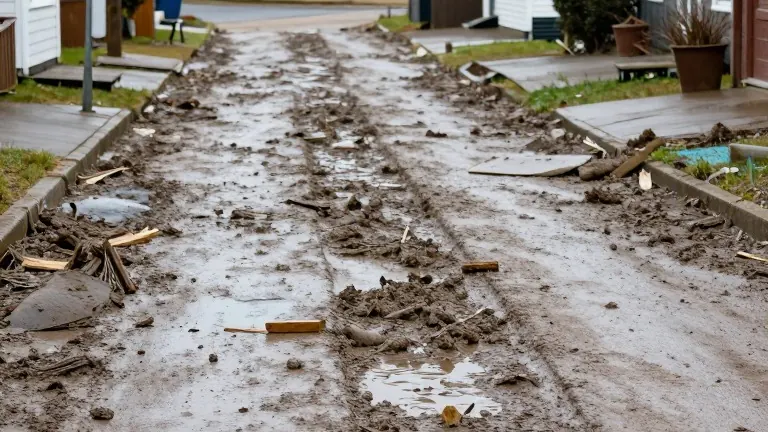
Disaster preparedness is ranked as the most urgent responsibility. Since 2012, three major floods in California have caused approximately $8 billion in economic damage and resulted in 29 deaths. Despite these risks, only 7% of households at risk of flooding possess flood insurance. The report recommends updated flood protection standards, improved emergency communications, and clearer lines of authority. Schwabe stated that the state should improve evacuation planning and public warnings in vulnerable communities before the next major flood occurs.
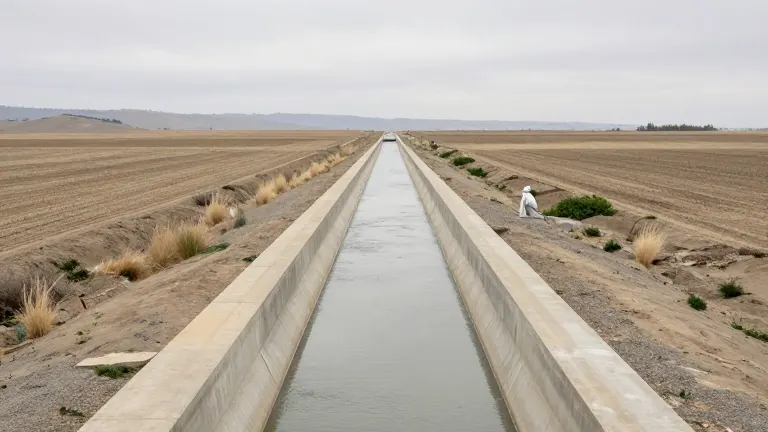
Groundwater protection is the second priority. California obtains about 40% of its water from underground aquifers. Decades of excessive pumping, driven by an antiquated system of landowner water rights, have caused land subsidence in parts of the Central Valley. This sinking ground has damaged canals that transport water to farms and communities. Schwabe explained that when land subsides, conveyance systems break, reducing the capacity to move water from the Bay Delta to its destination.
The report warns that continued subsidence could reduce the State Water Project’s long-term delivery capacity by as much as 87% over 20 years. To address this, the document calls for stronger implementation of the Sustainable Groundwater Management Act, which was enacted in 2014 to balance groundwater pumping with replenishment. Recommendations include tighter pumping controls in vulnerable areas, better groundwater accounting, and streamlined permits to capture and store floodwater underground.
The third priority involves long-term investments in water storage and delivery. The report urges the state to improve how it measures water supplies and to establish dependable infrastructure financing. It also recommends restoring natural systems such as forests and wetlands to slow runoff and reduce flood damage. Schwabe emphasized that expanding reservoirs alone will not solve shortages if existing canals cannot carry enough water during periods of heavy runoff. He compared the current system to a tiny straw trying to transport a large volume of water.
California’s water challenges are complicated by geography. About 75% of the state’s water supply originates north of Sacramento, while roughly 75% of demand lies to the south. The state relies on nearly 1,500 dams and an extensive network of canals and aqueducts to capture and transport this water. Much of this infrastructure was built when Sierra Nevada snowfall provided a more dependable supply during spring and summer. Climate change is disrupting this balance by bringing more rain instead of snow and increasing the swings between wet and dry conditions.
Schwabe said the state needs reliable funding to replace aging infrastructure rather than relying on costly emergency responses. The report notes that such improvements will require sustained investments that extend beyond any single governor’s term. The goal is to create a water system that can withstand both the increased chances of floods and the increased chances of drought.