Alaska Election: Senate and Governor Races Await Ranked Vote Tabulation
State officials target Nov. 18 for final results after overseas ballots are counted, leaving key races unresolved as of Wednesday.
By Takeshi Faure ·
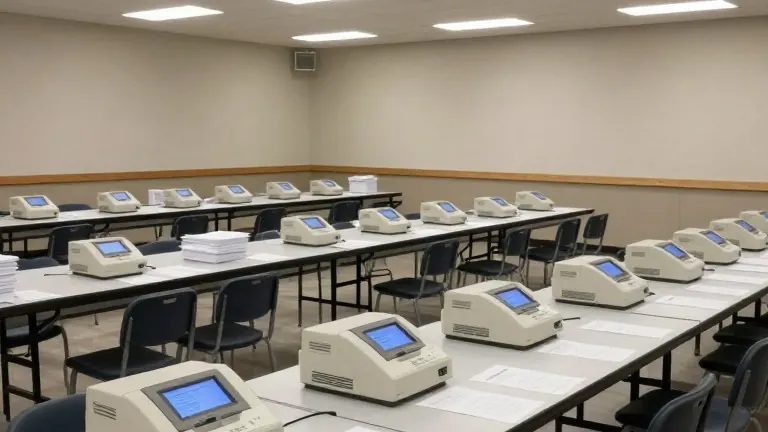
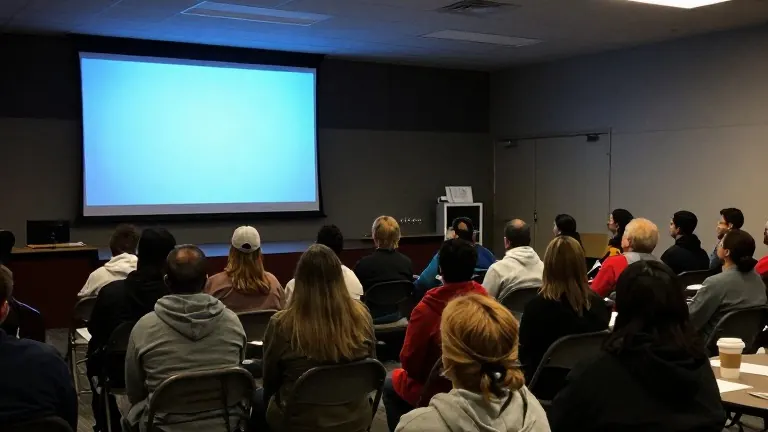
Alaska election officials are targeting Nov. 18 to complete the tabulation of ranked votes, a process that extends the wait for results in the state’s two most high-profile races by up to 15 days. This timeline accounts for ballots arriving from overseas voters, which state rules allow to be received for two weeks after the Nov. 2 election. As of Wednesday, neither the U.S. Senate contest nor the open gubernatorial seat had a declared winner based on first-choice votes.
The Senate race pits two-term Republican Sen. Dan Sullivan against Democratic former Rep. Mary Peltola. The contest has been marked by legal disputes and allegations of strategic interference. The U.S. Department of Justice filed a lawsuit at the direction of President Donald Trump to block the certification of the race if Sullivan lost, citing confusion with retired teacher Dan J. Sullivan on the ballot. A federal judge dismissed that suit, though the department has appealed. The New York Times reported that Peltola aides may have recruited the other Sullivan, a claim Peltola denies. Federal authorities have confirmed a criminal investigation into the matter.
In the governor’s race, former state Rep. Jonathan Kreiss-Tomkins, a Democrat, is challenging three Republican opponents to succeed term-limited Gov. Mike Dunleavy. Kreiss-Tomkins would be the first Democrat to hold the office since Tony Knowles, who served from 1994 to 2002. The Republican field includes Bernadette Wilson, endorsed by President Trump, former Anchorage Mayor Dave Bronson, and former state Attorney General Treg Taylor. State Republican leaders urged their voters to rank the three GOP candidates to secure a win, although Trump recently called ranked voting a "scam" at a rally in Wasilla.
Counting ballots in Alaska requires a long timeframe due to the state’s geography. The state allows up to 10 days for domestic absentee ballots, a window critical for rural communities accessible only by air or water. Peltola told supporters Tuesday night that the count would take time to include votes from far-flung communities, military service members, and college students. "It’s going to take a long time to make sure we’re counting every vote from every far-flung hinterland community," Peltola said.
Sullivan’s campaign expressed confidence on Wednesday, citing what it described as the biggest election cheating scandal in Alaska’s history. Wilson, the leading Republican in the governor’s race, called herself "cautiously optimistic for the days ahead." Voters in Alaska also voted on a measure to repeal the state’s open primary and ranked vote system, which voters approved in 2020 and narrowly rejected a repeal effort on in 2024.