Albertsons and Kroger Close Two-Week Delaware Trial Over Failed Merger
The grocery giants finished presenting testimony in the Court of Chancery, leaving a judge to decide who bears responsibility for the collapsed $25 billion deal.
By Lucas Sheridan ·
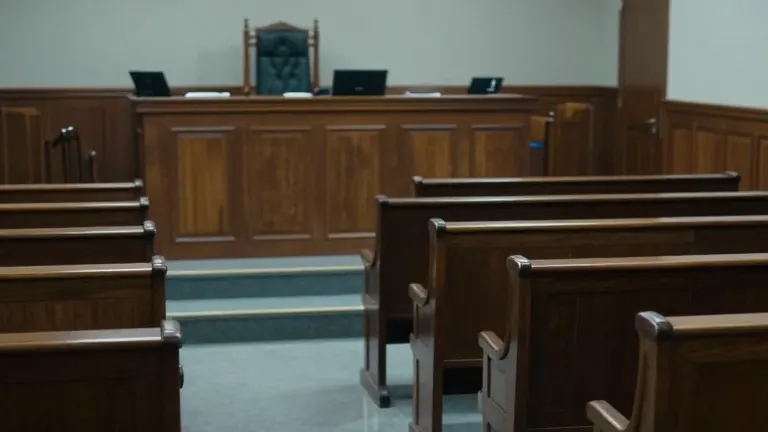
The Albertsons and Kroger trial in the Delaware Court of Chancery concluded this month after ten days of testimony. The court session wrapped in mid-October, marking the final step before Vice Chancellor Lori Will issues a written opinion. Neither company will receive a verdict for several months, as the judge reviews the evidence in this equity proceeding without a jury.
Boise-based Albertsons is seeking more than $8 billion in damages and interest from Kroger. The company argues that Kroger failed to conduct sufficient due diligence to satisfy federal regulators, causing the proposed $25 billion merger to collapse in 2024. Kroger counters that Albertsons worked to undermine the transaction behind the scenes. The two companies spent the last two weeks of October presenting their conflicting accounts to the judge.
Key executives from both firms took the stand. Vivek Sankaran, former CEO of Albertsons, and Rodney McMullen, former CEO of Kroger, provided divergent testimonies about the merger process. Susan Morris, the current Albertsons CEO, also testified. She was the chief operating officer during the deal and had been positioning herself for a larger role in the combined entity. Antitrust attorneys and deal counsel from both sides also appeared to explain their strategic decisions during regulatory review.
Vice Chancellor Will focused her questioning on the technical aspects of the store divestitures. The parties had proposed selling hundreds of locations to gain regulatory approval. The judge asked about the methodology used to select specific stores and the economic ratios that determined the final numbers in various proposals. She asked few questions during the ten-day trial, limiting her inquiries to these structural details of the merger agreement.
The trial highlighted disputes over communications between Albertsons and CNS, the third party intended to buy the divested stores. McMullen testified that Kroger suspected Albertsons was negotiating behind its back. Morris stated that she used personal email channels to talk with CNS because she did not want to use Albertsons contacts for what she viewed as an employment negotiation. She denied sharing confidential information about the merger or Kroger with the wholesaler.
The legal process will continue through mid-2027. Attorneys are expected to return to the court in February for closing arguments. The judge will then take approximately three months or longer to draft her opinion. If either party disagrees with the ruling, they can appeal directly to the Delaware Supreme Court, a step that adds another six to twelve months to the timeline.
More Business · Customer Complaints · Report a business · Got a Story?