US Launches Limited Strikes on Iranian Targets in Strait of Hormuz
Oil prices fell as diplomatic efforts resumed, with officials citing a potential framework to end the eight-month conflict.
By Sanjay Caldwell ·
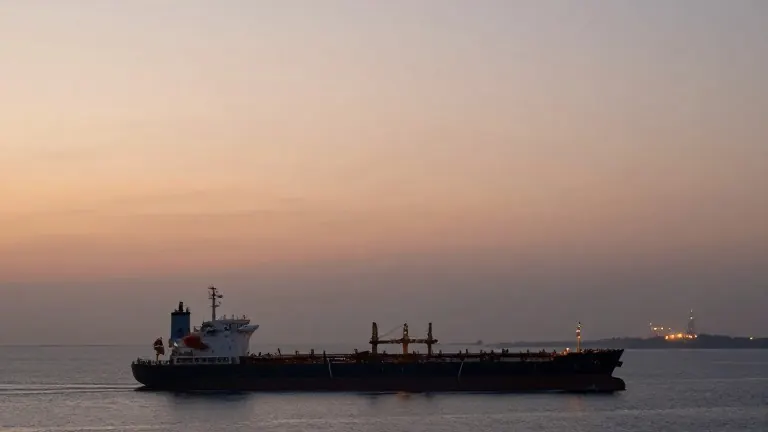
The United States conducted defensive strikes on Iranian targets within the Strait of Hormuz on Monday. A US official, speaking on condition of anonymity, stated that the attacks targeted Iranian surface-to-air missiles directed at US assets. Iranian state television reported hearing explosions on Qeshm Island. The military action appeared limited in scope, distinguishing it from a full return to hostilities.
The strikes occurred on the eve of the US midterm elections. The conflict has driven up gasoline prices, creating a financial vulnerability for the Republican Party seeking to maintain control of Congress. Oil prices dropped sharply on Monday following the strikes, a trend President Trump cited in a Washington speech. He noted that the war had cost US taxpayers at least $47 billion while downplaying the scale of the fighting.
Vice President JD Vance told reporters that he spoke with President Trump about ongoing talks with Iran. Vance expressed optimism regarding a negotiated settlement, stating that he and the president feel good about the prospects. He emphasized that a deal requires a firm and verifiable commitment from Iran to avoid rebuilding its nuclear program. Vance previously sent a letter to Iranian security chief Mohsen Rezaei, which the White House described as focusing on medical supplies and other assistance.
Diplomatic efforts have advanced through Qatari mediators who held two rounds of talks with Iranian officials last week. These mediators are working to advance a framework where Iran ceases attacks in the Strait of Hormuz in exchange for the US lifting its blockade on Iranian ports. Additional talks are scheduled for this week. Israeli Prime Minister Benjamin Netanyahu pushed Trump for a new wave of strikes during a weekend call, aiming to form an emergency government after his coalition lost its parliamentary majority in last week's elections.
Regional allies are divided on the path forward. Some Middle East allies warn that further strikes could destabilize the region and prompt Iran-allied Houthi rebels in Yemen to increase attacks on Saudi Arabia and Red Sea shipping. Saudi Defense Minister Prince Khalid bin Salman spoke with US Secretary of Defense Pete Hegseth on Monday about regional developments. UAE presidential adviser Anwar Gargash warned that US and Iranian positions remain far apart, urging that these gaps be bridged to avoid the worst outcomes.
China announced it will send a special envoy to Iran, Oman, and Saudi Arabia in early to mid-November. Iranian security chief Mohsen Rezaei told state television that the tone from the US has changed and is a good sign. He noted that Iran has not yet responded to Vance's letter. The US and Iran are set to continue diplomatic engagements this week as the conflict enters its ninth month.
More Business · Customer Complaints · Report a business · Got a Story?