Apple Doubles iPhone Duo Output to Meet Surging Demand
The tech giant has raised its first-year shipment goal to 14 million units after pre-orders triggered immediate delivery delays.
By Min-jun Kim ·
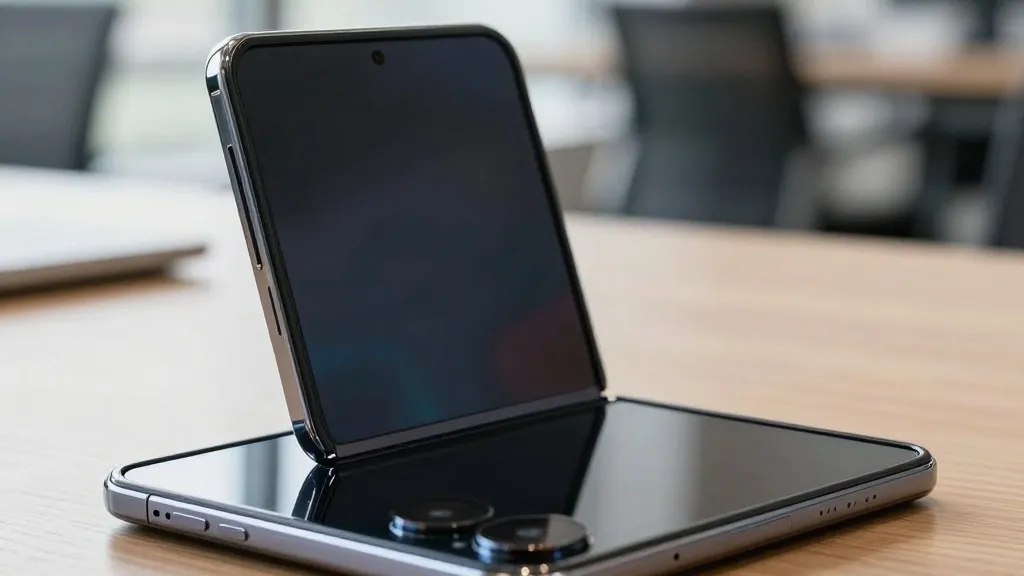
Apple has significantly accelerated production of its new iPhone Duo, increasing its manufacturing orders by more than 40% to keep up with a wave of consumer interest that caught the company off guard. This substantial ramp-up in output comes directly after pre-orders opened this past Friday, when delivery estimates for customers stretched out almost immediately. The move signals that the delay was not a result of logistical bottlenecks, but rather a direct response to what Apple has characterized as extraordinary demand for its first folding smartphone.
When the preorder window launched on Friday, shoppers quickly noticed that their expected delivery times were sliding into late January. At the time, it was difficult to determine if these extended timelines were due to a shortage of devices or simply a surge in orders. However, new supply chain reporting clarifies that the primary driver was strong market appetite. Apple responded by capping individual orders at two units per customer, a strategy aimed at reducing the impact of scalpers who might otherwise buy large quantities for resale.
As the initial confusion settled, many early buyers began receiving notifications that their estimated shipping dates had moved earlier. This adjustment aligns with reports from DigiTimes, which cite sources within the supply chain indicating that Apple is actively boosting its production capacity. The company’s internal outlook remains positive, with executives expecting this high level of demand to persist well into the coming year. Consequently, Apple has raised its shipment target for the first twelve months from an initial 9.7 million units to a new goal of 14 million.
While the hardware is scaling up, the software ecosystem is still catching up. Early adopters have had to navigate a landscape where third-party applications are not yet fully optimized for the unique form factor of the iPhone Duo. Apple maintains that the situation is improving rapidly as developers prioritize compatibility for the new device. Initial reviews from users who have had the phone for a week consistently highlight app support as a key area of focus, alongside other functional changes.
One of the most discussed aspects in these early reviews is the shift to Touch ID for biometric security, a departure from the Face ID system found on previous iPhone models. While some users view this as a step backward in terms of convenience, it appears to be a necessary trade-off for the folding design. However, the trajectory of the device’s evolution may already be shifting. Recent reports indicate that Apple is currently testing prototypes for the iPhone Duo 2 that include Face ID, suggesting the company intends to refine the user experience in the next iteration.
The rapid increase in production targets underscores just how pivotal this launch is for Apple’s hardware roadmap. By moving from nearly 10 million to 14 million units, the company is signaling confidence that the folding category will become a standard part of its product lineup rather than a niche experiment. The speed at which Apple adjusted its supply chain in response to the Friday launch demonstrates a level of agility that is crucial for maintaining customer satisfaction in a competitive market.
For consumers in the Pacific Northwest and beyond, the immediate effect is a wait time that, while longer than typical, is now backed by a massive increase in inventory. The earlier delivery dates being pushed to customers are a direct result of this production boost. As the first wave of devices arrives, the focus will shift from availability to how well the software ecosystem matures. Developers are working to close the gap in app optimization, aiming to ensure that the hardware’s capabilities are fully realized by the time the bulk of the 14 million units reach shelves.
Source: 9to5Mac