Democrats seize control of Congress as Republicans lose both chambers
Voters delivered a historic wave that gave Democrats majorities in the House and Senate, setting the stage for immediate oversight of the administration.
By Takeshi Faure ·
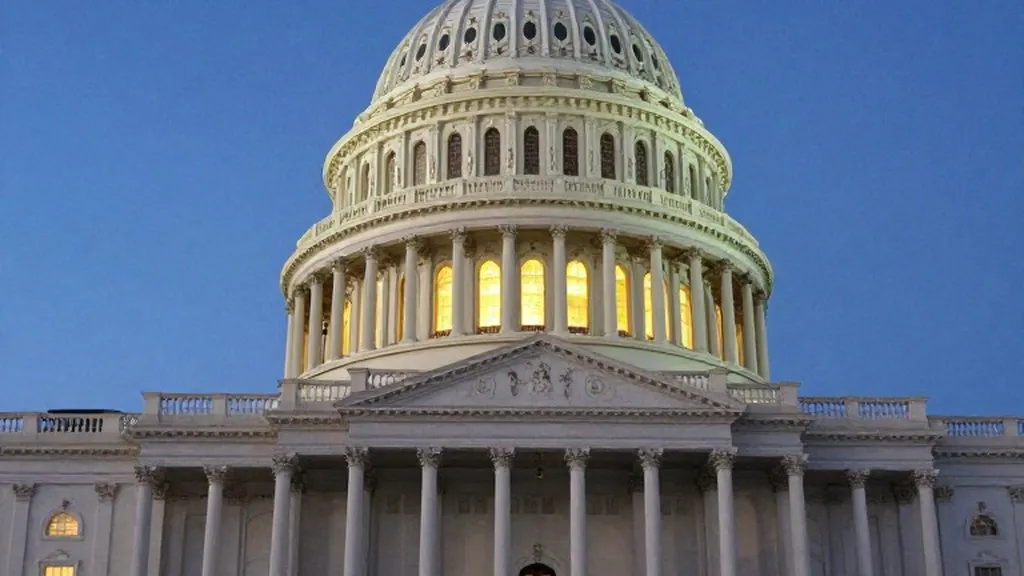
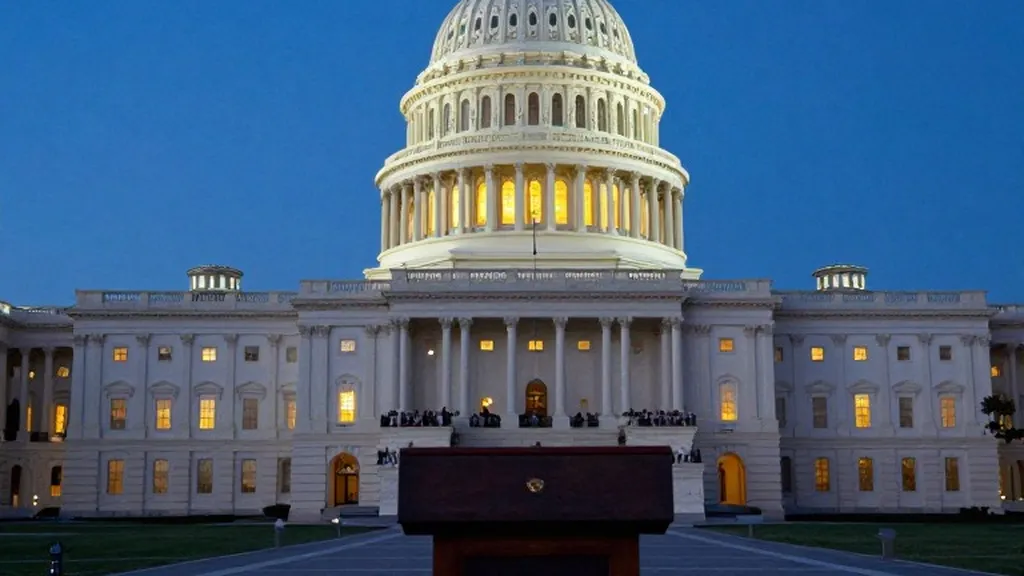
American voters have completed the most significant transfer of power in recent history by placing the Democratic Party in control of both the U.S. House of Representatives and the U.S. Senate. The results, finalized as of early reporting on the following days, show Democrats picking up at least 43 House seats and seven Senate seats. Every one of the seven Senate seats gained by Democrats was previously held by a Republican. This shift means that the party of the current president, the Republicans, has lost its majority in the upper chamber of Congress for the first time since the previous election cycle.
The scale of the Democratic victory in the House is equally decisive. Democrats secured a majority of at least 250 seats to 157 for Republicans. Of the 43 House seats Democrats gained, 42 were previously held by Republicans and one was held by an independent. This net loss of 42 seats for the GOP represents a substantial decline, though it falls just short of the 48 seat loss typically defined as a wave election. Nevertheless, the loss of both chambers signals a broad rejection of the incumbent party's platform across the country.
This election result has immediate implications for the administration in Washington, which is currently undergoing a period of major internal transition. President Donald Trump has already begun reshaping his inner circle in response to the midterm losses. On Friday, he announced that Stephen Miller, known for his hard line on immigration policies, would replace Susie Wiles as chief of staff. This move signals a shift in the administration's operational focus as it prepares to work with a Democratic Congress that is expected to prioritize oversight.
The White House has also faced scrutiny regarding its communication strategy, with the president recently offering the position of press secretary to UFC boss Dana White. This unconventional move comes as the administration struggles to define its message following the election. The White House did not immediately confirm White's acceptance of the role, but the announcement highlights the ongoing churn in the presidential office. Democrats in Congress are likely to use their new majority to demand clearer answers on key issues, including the administration's handling of foreign policy and domestic spending.
Statewide races further illustrate the breadth of the Democratic performance. Democrats won a majority of governorships for the first time since before the 2010 elections. As of the latest tallies, Democrats had won 22 of the 36 gubernatorial races, while Republicans won 12. Five of these races changed party control, with every shift moving from Republican to Democratic hands. This trend indicates that the victory is not limited to the coasts but extends into the heartland, where voters have turned to the opposition party to address concerns over the cost of living and health care.
In the state legislatures, Democrats captured 46 of the 88 chambers on the ballot, compared to 39 for Republicans. Twelve of these chambers changed party control, with every single change favoring the Democrats. This legislative advantage will allow the party to shape the rules of the political game in key states, potentially impacting future redistricting efforts. The Republican money edge, often cited as a key advantage in previous cycles, was insufficient to prevent these losses in both federal and state offices.
The race for Mississippi’s U.S. Senate seat remains a focal point of the post election narrative. Democrat Scott Colom has not yet been declared the winner, but he is widely viewed as a historic figure who may become the first Black senator from the state since Reconstruction. The contest is still too close for the Associated Press to call, with local officials in the state’s 82 counties continuing to count absentee and provisional ballots. Colom’s potential victory would mark a significant milestone in the state’s political history, given that nearly 40 percent of the population is Black.
In other federal matters, a federal judge in Washington is investigating whether government officials misled her in a lawsuit concerning the renovation of a historic golf course along the Potomac River. Judge Ana Reyes has appointed a former U.S. attorney to examine the conduct of Interior Department and National Park Service officials. This oversight effort underscores the kind of judicial and legislative scrutiny the administration may face as it moves forward with major construction projects and policy initiatives while facing a Democratic Congress.
The Democratic Party now holds the keys to the legislative process, with the power to confirm or block administration nominees and to initiate investigations into executive actions. The loss of both chambers for the Republicans puts this year’s elections in the top 20 percent of all election years in terms of seat swings against a president’s party. As the new Congress prepares to convene, the focus will turn to the cost of living, health care access, and the administration’s response to the ongoing conflict in Iran, all of which are expected to be central to the coming legislative session.
Voters in 44 of the 46 states where trifecta offices were on the ballot have decided the balance of power in their state governments. Twenty states now have Democratic trifectas, where the governor and both legislative chambers are controlled by Democrats. This is a stark contrast to the previous cycle and provides Democrats with a strong foundation for implementing their agenda at the state level. The remaining two states are still undecided, but the trend is clear: the electorate has chosen change at every level of government.