Mexican Amphibian Becomes Central Figure in DIY Birthday Decorations
Parents are crafting homemade ajolote piñatas using recycled materials to save money while embracing national symbolism.
By Lucas Sheridan ·
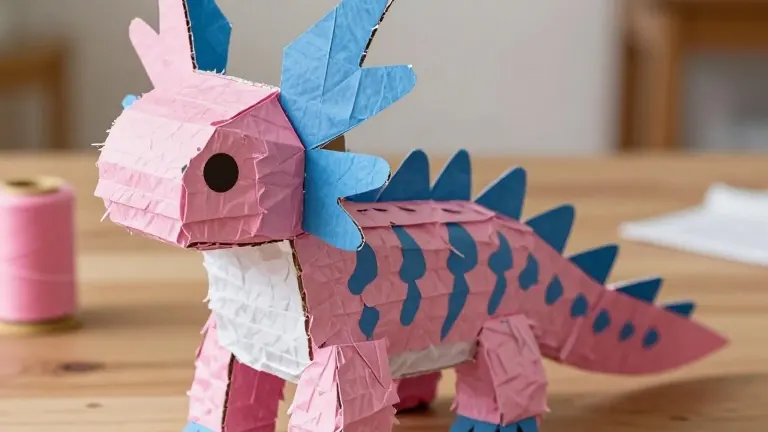
Home organizers of children's birthday parties are turning to a specific Mexican amphibian to create custom decorations. The ajolote has emerged as a popular motif for homemade piñatas, offering a distinctive alternative to standard store-bought options. This trend reflects a desire for personalized party elements that align with the child's tastes while remaining accessible to crafters with limited resources.
The ajolote holds substantial ecological, cultural, scientific, and historical value for Mexico. This amphibian is distinct because it retains its larval appearance throughout its life cycle. It is a carnivorous species that has gained widespread affection within the country. These characteristics have made the creature a favored theme for family celebrations, particularly for children who enjoy animals.
Creating a piñata at home avoids the need to visit specialty shops. The process is considered manageable for individuals without advanced crafting skills. Builders can utilize a variety of base materials to construct the figure. Options include recycled cardboard, standard party balloons, or clay. Using these materials keeps the project inexpensive compared to purchasing a finished product.
Five specific design variations have been identified for this type of decoration. One model is circular in shape, featuring the animal's image. Another design incorporates numbers, likely for specific age milestones, alongside the ajolote graphic. A third variation uses pink crepe paper to define the creature's form. A fourth follows the traditional shape of the amphibian. The final design features an animated, cartoon-style figure rendered in blue paper.
The construction of these items requires a standard set of basic supplies. Crafters typically use recycled cardboard as the structural base. String is used for hanging and handling the finished product. Crepe paper in shades of pink or blue covers the exterior to mimic the animal's coloring. Scissors are necessary for cutting and shaping the materials. The process relies on common household items rather than specialized tools.
The choice of the ajolote serves a dual purpose in party planning. It provides a thematic focus that differentiates the event from generic celebrations. It also connects the gathering to a symbol recognized across Mexico. The homemade nature of the piñata allows for customization in size and style. This approach prioritizes cost-effectiveness and personal expression over commercial convenience.