Nvidia CEO’s Viral Microduck Demo Drives 20,000 Preorders
A playful moment at GTC Berlin has turned a small robotic duck into a top holiday contender, with Hugging Face predicting it will be the year's best-selling robot.
By Chinedu Okafor ·
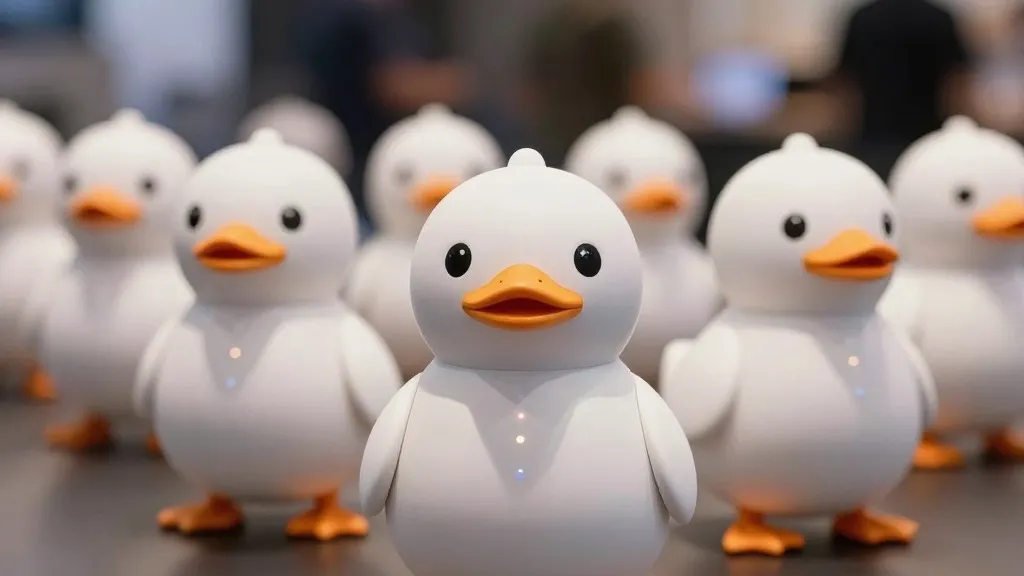
Jensen Huang’s playful interaction with a group of robotic ducks at GTC Berlin has ignited a surge in consumer interest for a niche tech product. The clip, which showed the Nvidia chief engaging with the waddling devices, quickly spread across social media, capturing the attention of tech enthusiasts and casual observers alike. This viral moment has transformed the Microduck from a developer tool into a potential holiday sensation, with preorders exceeding 20,000 units within a single day of the demonstration.
The Microducks are compact, open-source robots produced by Pollen Robotics, a firm acquired by Hugging Face in 2025. Following Nvidia’s acquisition of Hugging Face in September, the Microducks are now technically part of the GPU giant’s portfolio. These devices are not the first robotic offering from the Hugging Face ecosystem; they follow the Reachy Mini, another charming device. However, the Microducks appear to have captured a broader audience, with promotional materials highlighting usage by adults as well as children. Hugging Face CEO Clem Delangue noted on Twitter that these robots could become the best-selling robots of the year, suggesting their appeal extends beyond the traditional toy market.
The devices gained popularity largely due to their entertaining capabilities, which were showcased during Huang’s keynote. The robots are capable of walking, sitting, standing, and even performing somersaults upon voice command. They also feature a unique 'nap' mode where they collapse as if dead, adding to their whimsical charm. The audio cues, described as tiny R2-D2-like noises, contribute to their endearing nature. This combination of physical playfulness and auditory feedback seems to be a key driver of their viral success, offering a lighthearted contrast to the often serious discussions surrounding artificial intelligence.
Under the hood, the Microducks utilize Nvidia’s technology stack for their initial training. Simulations were used to teach the robots basic tricks that are included in the factory settings. Pollen Robotics has indicated that owners can further train their units to perform new maneuvers, with a community feature allowing users to share these custom tricks with others. This open-source approach encourages user engagement and customization, potentially extending the product's lifespan and utility beyond simple novelty.
The timing of the release is strategic, with deliveries expected in time for the Christmas holiday season. This positioning suggests that the company is aiming to capitalize on the gift-giving period to solidify its market presence. As the AI industry faces scrutiny following a series of cyberattacks this week, the Microducks offer a lighter narrative. While the broader sector grapples with security concerns, this product demonstrates the more accessible and fun side of robotics. The rapid preorder growth indicates a strong appetite for interactive, open-source hardware among consumers who may be looking for tangible connections to the latest tech trends.
As the holiday season approaches, the Microducks are poised to make a significant impact in the consumer robotics market. The combination of celebrity endorsement, open-source flexibility, and cute factor has created a compelling product story. For Pacific Northwest readers and tech consumers nationwide, the Microducks represent a shift toward more playful and community-driven hardware. With delivery windows set for the holidays, the next few weeks will determine if the initial hype translates into sustained sales, potentially establishing a new benchmark for consumer-facing robots.
Source: TechCrunch