Oregon Fishing Economy Faces $10 Billion Stakes in Bonneville Power Administration Debates
A 30-year commercial fisherman argues that salmon habitat protection and reliable energy infrastructure must advance together to sustain the state's outdoor industries.
By Lucas Sheridan ·
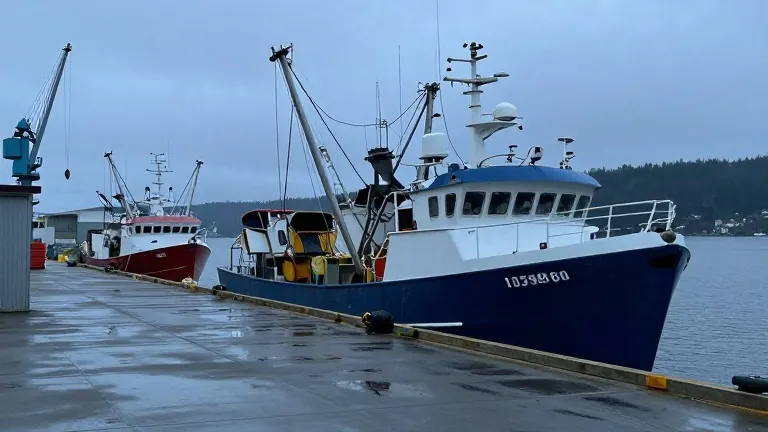
Nearly $10 billion in annual economic activity in Oregon depends on outdoor activities, a figure that includes both commercial and recreational fishing sectors. This value is supported by approximately 70,000 direct jobs and an additional 225,000 indirect and adjacent positions. The recent analysis cited by Amy Grondin, a commercial fisherman based in Newport, Oregon, places this financial weight at the center of current debates regarding state energy policy.
Grondin has worked in the fishing industry for 30 years. For the past 15 years, she has operated her own salmon troller. She also serves on the board of Save Our Wild Salmon, where she advocates for clean water and habitat protections. Her work intersects with the operations of the Bonneville Power Administration, which she views as a critical manager of the natural resources that sustain local livelihoods.
The pressure on these industries has intensified as salmon populations decline. Grondin notes that many commercial fishermen now require second jobs during the winter months to support their households. This economic strain extends beyond the boats. Sport fishing drives tourism, and visitors contribute to local economies by renting slips, purchasing fuel, buying groceries, and dining at restaurants that feature locally caught fish.
Agricultural ties to the fishing economy are also strong. Farmers in the Pacific Northwest rely on healthy rivers for irrigation. Grondin argues that the health of local food systems and outdoor recreation is a more accurate measure of economic vitality than corporate balance sheets. She contends that investing in salmon habitat is synonymous with investing in an inclusive and affordable economy for communities across the state.
The Bonneville Power Administration is currently making investments to improve the reliability of its infrastructure. Grondin supports these upgrades but argues they should not come at the expense of salmon protection. She describes the current proposal as unacceptable because it suggests reducing habitat investments to lower energy costs. For fishermen, she says, healthy rivers and salmon are the economy itself.
Grondin emphasizes that modern commercial fishing relies on advanced technology for safety and efficiency. She uses radar and GPS plotters to navigate and secure her catch. These tools require reliable energy. She believes the energy system should serve the entire economy, including the agricultural and outdoor sectors that form the backbone of Oregon's identity.
Before partnering with her husband Greg to operate their own vessel, Grondin worked as a deckhand on Alaska salmon tenders. These boats transport salmon from sea to shore processors. Her experience gives her a perspective on the state-of-the-art technology required to keep crews safe and fish fresh. She expects the same level of diligence and reliability from those who manage the region's energy grid.
The debate over energy costs and environmental protection has become a focal point for coastal communities. Utility lobbyists often frame the issue as a choice between affordable energy and environmental conservation. Grondin challenges this binary view. She argues that pitting people against each other is unnecessary when the two goals can be achieved simultaneously.
The next phase of infrastructure investment will determine whether these sectors can maintain their current scale. The Bonneville Power Administration is expected to finalize its approach to balancing reliability, cost, and environmental impact in the coming months. The outcome will directly affect the 70,000 direct jobs and the $10 billion in annual economic output tied to outdoor activities in Oregon.
More Business · Customer Complaints · Report a business · Got a Story?