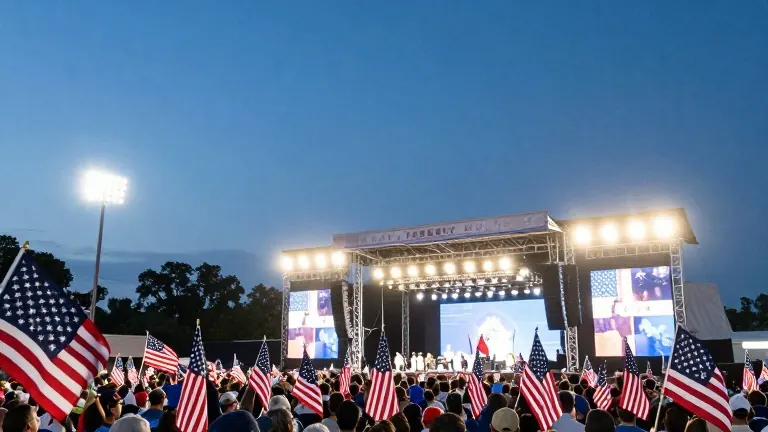
Polls show Trump's approval rating has dropped below 40 percent before Tuesday's vote
Historical data suggests the president's party will lose its House majority, and experts warn the election system itself faces a confidence test.
By Sanjay Caldwell ·
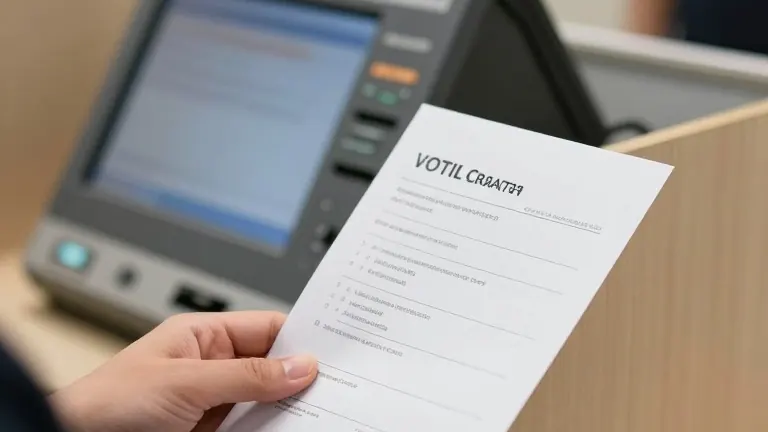
Voters across the country are casting ballots on Tuesday in midterm elections that will reshape the balance of power in Washington.
President Donald Trump's average approval rating has fallen to 37 percent, a level that has historically preceded poor midterm results for the president's party. That number is down from 52 percent early in 2025. Most political observers now predict Republicans will lose their slim majority in the House of Representatives. The Senate race remains too close to call, though Vice President Vance holds the tie-breaking vote if the GOP retains control.
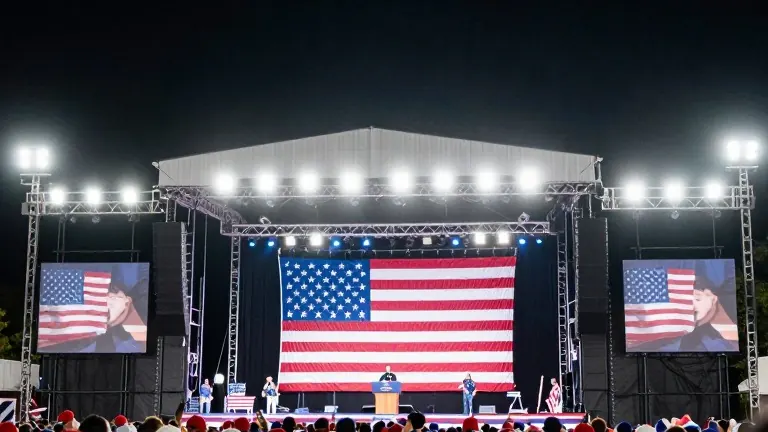
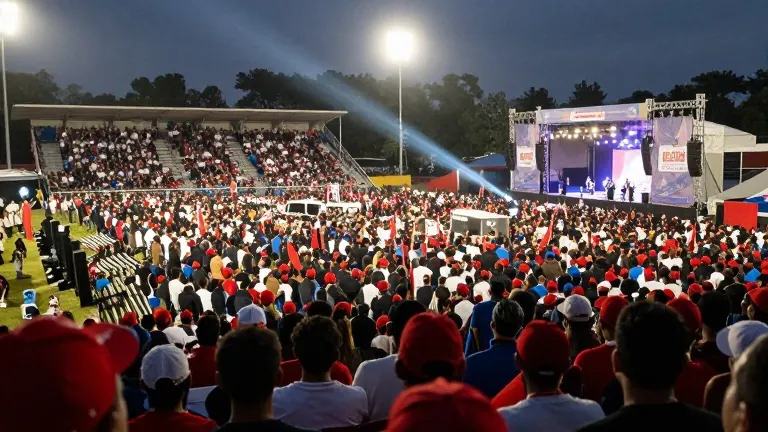
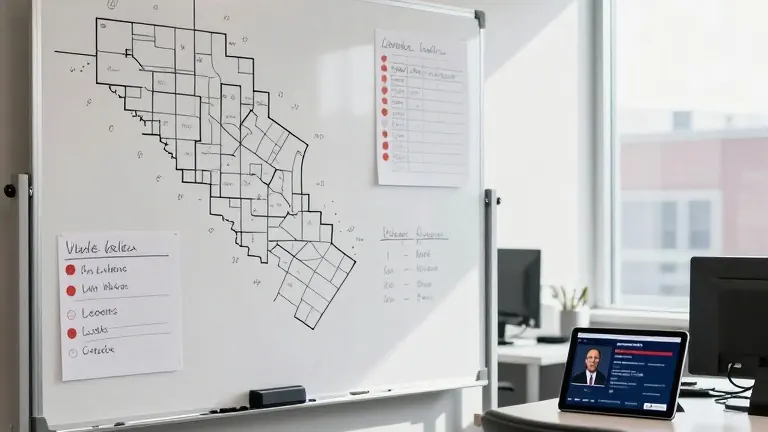
Trump spent the final weekend of the campaign visiting Iowa and Kansas in person. He held remote rallies in 19 other states. In 2016, Trump won 31 Iowa counties that had previously voted for Barack Obama. Kansas has not elected a Democrat to the Senate since 1932. The president's team focused on these states to limit losses in a tough electoral environment.
Critics of the administration argue that economic promises have not materialized. Inflation remains high, and gas prices have led a rise in everyday costs. Foreign policy goals, such as peace in Ukraine and a new era for the Middle East, have also not been achieved. Ruy Teixeira, a political demographer at the American Enterprise Institute, published 11 questions for Democrats in October. He asked whether the party would prioritize the interests of white, non-college educated voters over other social issues.
Democrats have united on issues like energy costs and grocery prices. They also opposed the construction of large data centers for the artificial intelligence industry. However, internal divisions persist between consensus builders and progressive members of the party. Several candidates associated with the Democratic Socialists of America appeared on ballots and in campaign ads this fall.
Nonpartisan experts in voting law say the current election system is more secure than it was two decades ago. The Help America Vote Act of 2002 allowed states to replace punch-card ballots with touch-screen technology and paper trails. Trump has long questioned the integrity of election results, a stance that dates back to his 2016 campaign. He called the 2020 election a steal before accepting the 2024 results. Analysts expect tension to continue in the weeks following the vote as parties challenge specific races.