Tesla sets late 2026 deadline for Cybercab sales
Tesla executives confirmed that the autonomous two-seater will reach private buyers before the end of the year, though most units will remain in company fleets.
By Priya Sharma ·
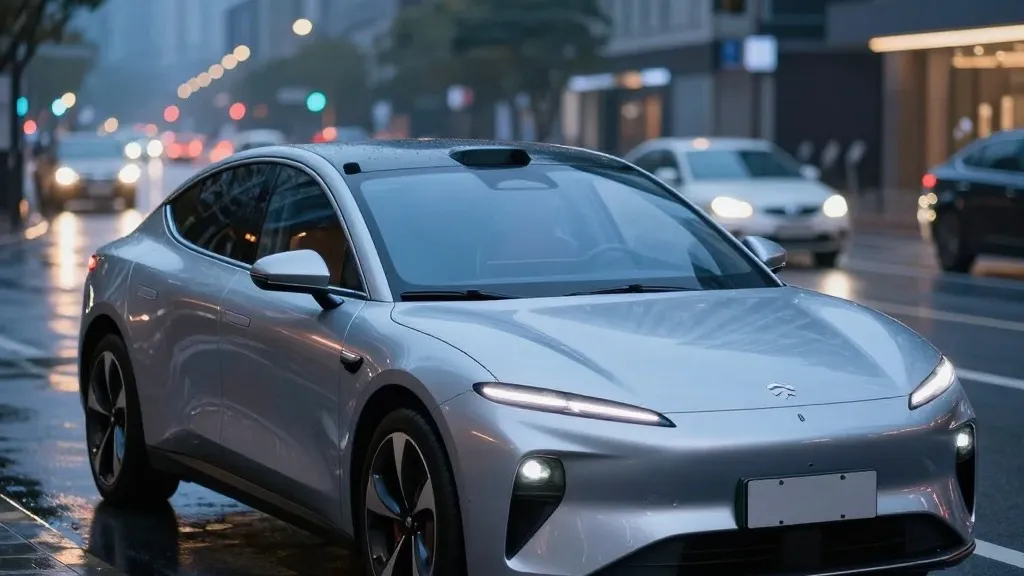
The $30,000 price tag attached to Tesla’s new two-seater has finally been paired with a specific timeline for private ownership. During the company’s third quarter 2026 earnings call held on October 21, leadership provided a definitive window for when consumers can expect to purchase the fully autonomous vehicle. This announcement puts an end to months of speculation regarding whether the robotaxi would be available to the public in the near term or remain strictly a fleet vehicle for the foreseeable future.
Lars Moravy, the vice president of engineering, stated that the company is aiming to begin delivering Cybercabs to customers before the end of 2026. He noted that production is currently active on the line at Gigafactory Texas. However, Moravy clarified that every unit rolling off the assembly line is currently being directed into Tesla’s internal Robotaxi fleet. The company intends to keep these vehicles in its own service while it gathers data and refines operations before handing over the keys to individual buyers.
Elon Musk reinforced this strategy by describing the Cybercab primarily as a transport-as-a-service offering rather than a traditional personal vehicle. He explained that the vast majority of the Cybercab units will remain Tesla-owned. This approach distinguishes the new model from the Model 3, Model Y, or the upcoming Roadster, which are designed for private ownership. The goal is to provide a ride-hailing service where the vehicle itself is the product, rather than selling the hardware to individual consumers as the primary business model.
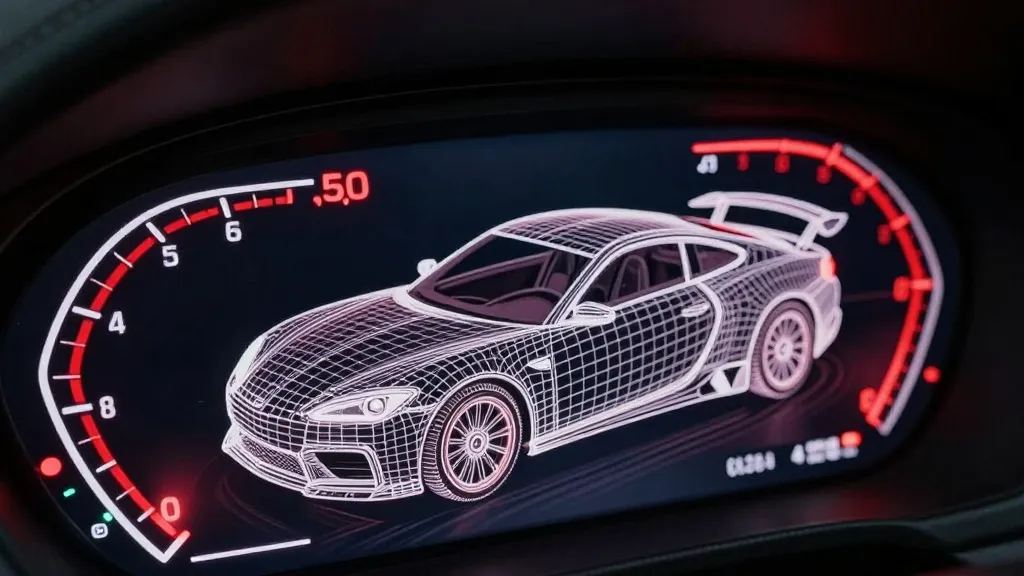
The vehicle in question is a two-seater design that lacks a steering wheel or pedals entirely. It relies completely on Tesla’s Full Self-Driving suite to operate. Production of the Cybercab began in February, and early units were integrated into the Robotaxi service in early September when the company launched public rides. Despite the start of public operations, the transition to private sales is expected to be gradual. Initial customer deliveries will start small as the company gains experience with delivery logistics, ownership models, and fleet management.
There are still significant hurdles to clear before these deliveries begin in earnest. The company must manage autonomous vehicles outside of its direct control, a step that requires careful calibration. Ashok Elluswamy, the head of AI, indicated that unsupervised Full Self-Driving is expected to ship to consumer cars during the second quarter of 2027. This timeline suggests that early Cybercab buyers may face geographic restrictions on their autonomous capabilities. Regulatory agencies may lag behind the technology, meaning that the full promise of the vehicle might not be immediately accessible to all owners in all locations.
For readers in the Pacific Northwest and other major cities, this timeline suggests that the first private Cybercabs will appear in the coming months. The company plans to scale operations as it learns how to support a mixed fleet of company-owned and privately owned autonomous vehicles. The shift from a purely service-based model to one that includes private ownership marks a new phase in Tesla’s autonomous vehicle strategy, balancing the need for data collection with the desire to expand its customer base.
Source: Teslarati