Western Sahara: U.N. Peacekeeping Mission Ends After 35 Years
A veto battle in the Security Council caused the abrupt end of MINURSO, leaving a disputed desert territory without an international monitoring force.
By Sanjay Caldwell ·
The United Nations concluded its 35-year peacekeeping operation in Western Sahara on Sunday, November 1, 2026. The sudden termination of the mission follows a deadlock between the United States and Russia at the U.N. Security Council regarding the future of the territory.
Stéphane Dujarric, the spokesperson for the U.N. secretary general, announced the start of the liquidation period in a written statement. He noted that a reduced team from the Department of Operational Support will manage the return of assets to troop-contributing nations. The team will also handle the disposal of U.N. equipment. The mission, known as MINURSO, had a 2026-2027 budget exceeding $62 million and was authorized to deploy 534 personnel.
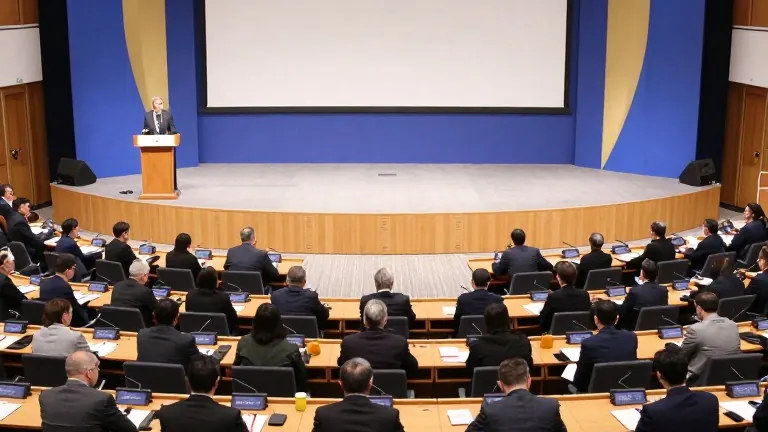
The mission’s end resulted from conflicting resolutions voted on Friday. Russia vetoed a U.S. draft that would have supported Morocco’s claim to sovereignty and ended the mission next year. Subsequently, a rival Russian proposal to extend the mandate was defeated. This sequence of votes left the force without a legal basis to continue operations. Twenty members of the U.N. force died during the 35-year span of the mission.
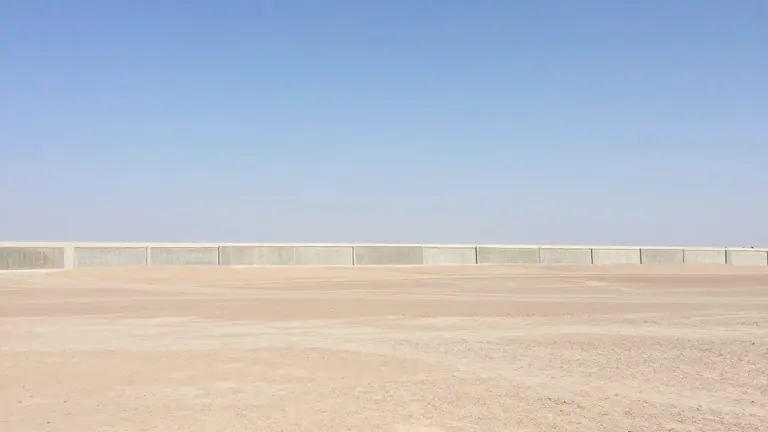
Western Sahara is a vast desert region along the northwestern Atlantic coast of Africa. It is roughly the size of Colorado and contains significant mineral and fishery resources. The territory is currently controlled by Morocco, which administers all areas except a narrow strip east of a sand wall known as the free zone. The Polisario Front, a pro-independence movement backed by Algeria, claims the land as the homeland of the Sahrawi people.
Morocco’s royal palace described the non-renewal of the mission as a positive development. The palace referred to the force as an instrument that internationalized the dispute. In contrast, the Polisario Front called the decision unacceptable. The Algerian foreign ministry expressed deep regret and criticized the U.S. draft resolution for containing excessive bias. Algeria hosts Polisario refugee camps in the city of Tindouf and provides financial and military support to the movement.
The dispute has defined regional diplomacy for decades. Morocco considers the territory its southern provinces and has secured support from Washington, Paris, and London. Algeria views full Moroccan sovereignty as a diplomatic defeat and severed diplomatic ties with Rabat in 2021. The U.N. reported last month that the territory remains a site of tensions and low-intensity hostilities since the Polisario withdrew from the 1991 ceasefire in 2020.
The original 1991 agreement established a ceasefire and created MINURSO to monitor a referendum on self-determination. That vote never took place due to disagreements over voter eligibility. Morocco wanted to include Sahrawis living in the territory it controls, while the Polisario argued for using the Spanish colonial census. The U.N. secretary general has called on all parties to exercise maximum restraint and respect the rights of the people in Western Sahara.