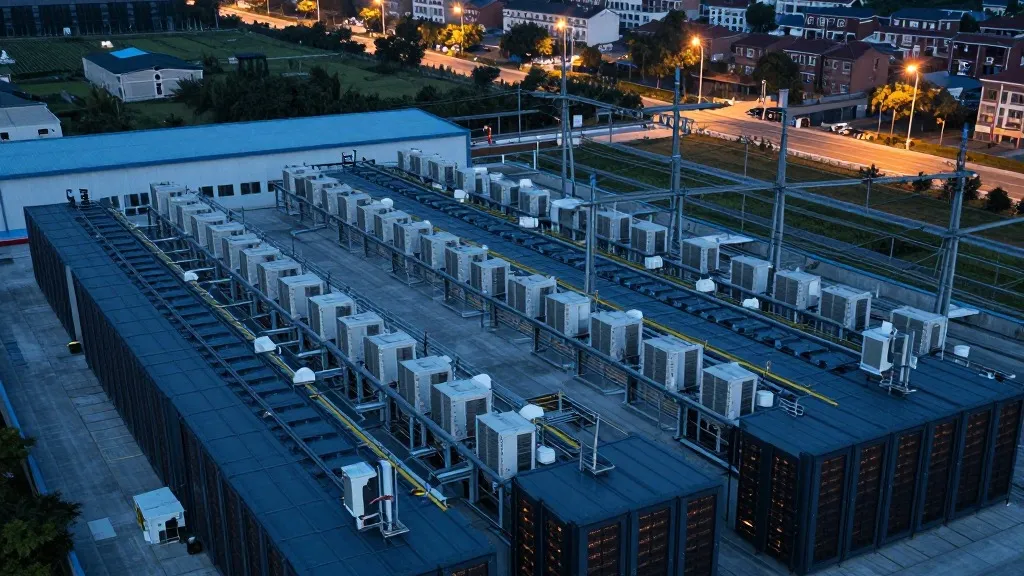
Wolves Return to Finnish Villages After Google's Forest Clearing
The sudden displacement of wolves from cleared lands near Muhos and Otanmäki has raised safety concerns for locals.
By Takeshi Faure ·
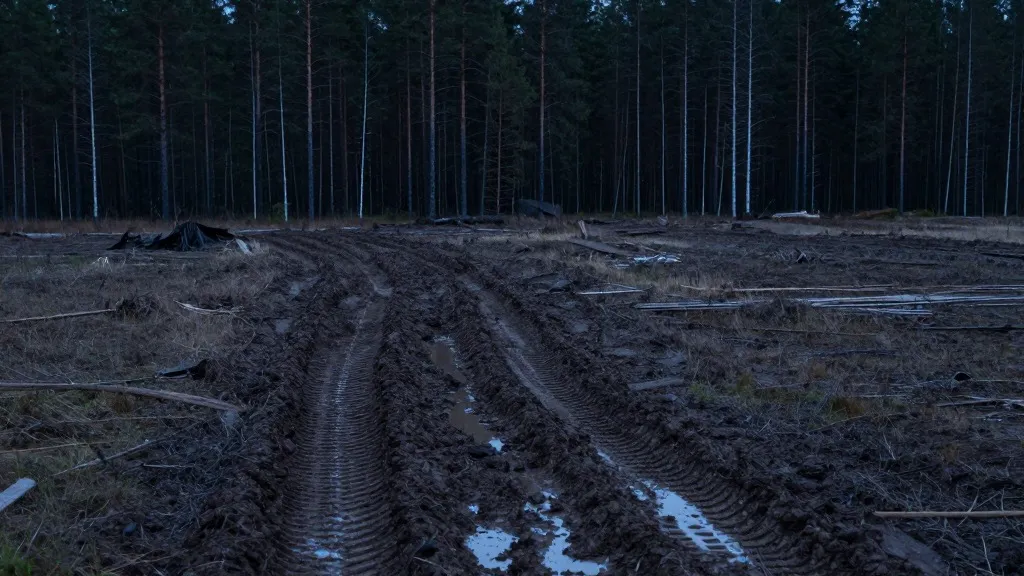
The quiet forests surrounding the Finnish villages of Muhos and Otanmäki have been replaced by muddy expanses, a shift that has forced local wolf packs to seek new hunting grounds in nearby residential areas. This sudden change in wildlife patterns is creating a palpable tension between the region's residents and the massive infrastructure project currently underway. As wolves roam into the countryside, neighbors are left questioning whether the rapid expansion of artificial intelligence facilities is worth the immediate disruption to their daily safety and the local ecosystem.
The situation stems from a series of unauthorized clearings that have stripped roughly 1,300 acres of forest. Specifically, 816 acres near Muhos have been turned into mud, while another 500 acres of woodland, located 55 miles southeast of Otanmäki, were also cleared. The speed and scale of this land conversion have led to accusations that the project bypassed standard environmental protocols in a rush to establish new data centers. The result is a landscape that no longer supports the natural habitat of the local wildlife, pushing predators into closer contact with human settlements.
The timeline of this dispute reveals a pattern of regulatory pushback. Earlier this month, the Finnish Licensing and Supervision Authority (LVV) issued a formal notice to the company to halt construction activities in the Muhos and Kajaani areas, which is near Otanmäki. This order followed a growing chorus of complaints from locals who reported construction noise, streams turning brown, and the displacement of rare bird species. The intervention by the LVV marked a significant escalation in what had been a simmering local conflict, suggesting that the environmental impact was more severe than initially acknowledged by the developers.
Now, as the company complies with the stop-work order, the immediate consequences are becoming visible to the public. The primary concern is no longer just the loss of trees, but the behavior of the animals that depended on them. Local families report that the absence of their traditional forest cover has driven wolves and other wild animals into the villages. This is a significant safety issue for a region where human-wildlife interaction was previously rare. The shift highlights the cascading effects of large-scale land alteration on a community that has lived alongside these animals for generations.
Anni Ranta, a 53-year-old resident whose family has lived in Otanmäki for generations, provided a stark account of the changes. "We had wolves coming into the village because all the wild animals moved out of the forest," Ranta explained. Her statement captures the direct link between the deforestation and the current safety concerns. Beyond the immediate wildlife issue, Ranta expressed a deeper geopolitical anxiety, fearing that the presence of U.S.-owned data centers might make Finland a more attractive target for Russian aggression. This perspective adds a layer of strategic complexity to an issue that was previously viewed primarily as an environmental one.
The regulatory stance has been firm. A representative of the Finnish Association for Nature Conservation (SLL) described the company's adherence to environmental policy as unprecedented in its lack of clarity, indicating a clear flouting of established rules. The LVV's decision to order a cessation of work reflects this consensus. Despite the regulatory pressure and local outcry, the company has maintained a cooperative posture. A spokesperson stated, "We will fully comply with LVV’s requests in this matter," and expressed a desire to maintain an active dialogue with authorities to strengthen the partnership with Finland and local organizations. The optimism of the spokesperson contrasts with the skepticism of the locals and the severity of the regulatory action.
This incident is part of a broader global pattern where AI data center development faces environmental scrutiny. Similar complaints regarding noise, water quality, and habitat loss have been voiced in the United States and other countries. However, the specific combination of unauthorized clearing and immediate wildlife displacement in Finland has drawn particular attention. The company appears to be betting that the long-term business benefits of its Finnish operations will outweigh the short-term regulatory and community friction. Whether this strategy will hold as the muddy landscapes persist and the wildlife continues to adapt remains to be seen.
The next phase of this story will likely involve a careful balancing act between compliance and progress. With the order to cease work in effect, the focus shifts to how the site will be managed and whether the relationship between the developer and the local community can be repaired. For now, the wolves have found their way into the villages, serving as a tangible reminder of the changes taking place in the forest. The resolution of this conflict will depend on whether the dialogue between the company and the authorities leads to a sustainable path forward or if the muddy expanses become a permanent fixture of the local landscape.