Democratic Midterm Win Reshuffles Wall Street Bets
Investors are repositioning portfolios in energy, defense, and healthcare as new congressional leadership approaches in January.
By Lucas Sheridan ·
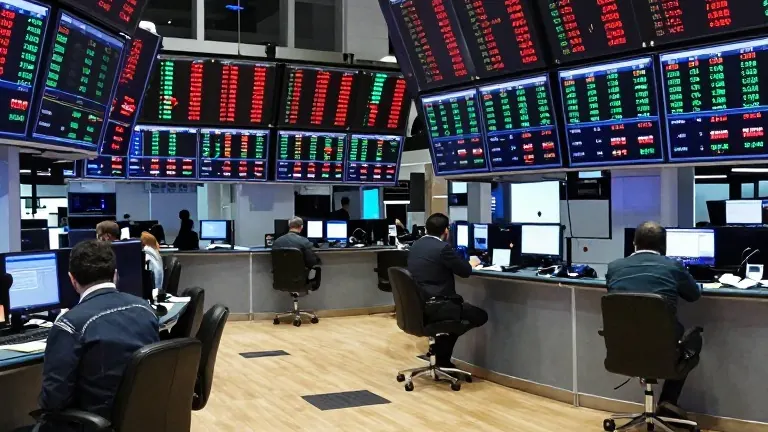
Stocks tied to government regulation and trade policy moved sharply this week following the Democratic victory in the midterm elections. Investors are adjusting their holdings based on the policies they expect from the new congressional leadership. The most visible changes occurred in sectors heavily influenced by federal spending and international conflict.
The artificial intelligence sector faced immediate pressure. Shares of Nvidia and Lam Research swung widely as traders worried that a Democratic Congress might slow the rapid expansion of data centers. These facilities are central to AI development, and many are under construction in Texas. While large tech firms like Amazon held up better, the broader AI group struggled with valuations that analysts had previously flagged as high.
Defense contractors saw their shares decline between 4% and 12% on the expectation of a resolution to the U.S. Iran conflict. Companies including Northrop Grumman, Lockheed Martin, RTX, and General Dynamics all lost ground. Investors calculated that an end to active hostilities would reduce immediate demand for weapons, even though current stockpiles are low and may require future resupply contracts.
Oil exploration and refining firms also dropped as markets anticipated lower energy prices following a potential peace deal. This move occurred despite solid year-to-date gains for major players like Exxon Mobil and Phillips 66. The sector reflected a bet that geopolitical tension would ease, reducing the premium on crude oil.
Elon Musk’s business interests took a distinct hit after the vote. Following a campaign that spent over $445 million supporting Republican candidates, Tesla shares fell 10.1% and SpaceX shares fell 5%. Investors expressed concern that the new Congress would scrutinize Musk’s role as a cost-cutting official during 2025. Trump Media & Technology suffered a 33% drop in market value over the three days after the election.
The value of Donald Trump’s stake in Trump Media & Technology has fallen from nearly $5 billion in March 2025 to under $600 million. A pending merger with nuclear fusion firm TAE Technologies offers a potential path for the company to recover that lost value.
Renewable energy companies are positioned to benefit from the new legislative environment. With Democrats taking control of Congress in January, funding for wind, solar, and other green initiatives is expected to increase. However, firms providing power specifically for data centers faced mixed results as some elected officials expressed skepticism about the pace of AI infrastructure growth.
Healthcare stocks rallied as investors bet on the restoration of government funding programs. Hospital stocks rose on the prospect that Medicaid spending and Affordable Care Act subsidies would be bolstered. HCA Healthcare, Tenet Healthcare, and Universal Health Services all posted gains in the days following the election.
Housing and consumer staples sectors also gained ground. Homebuilders like D.R. Horton and PulteGroup, along with retailer Home Depot, rose as investors anticipated policies focused on affordability and reduced supply chain costs. Consumer goods companies such as Costco, Procter & Gamble, and Dollar General increased in value as capital moved toward safer, inflation-resistant assets.
Alcohol producers including Constellation Brands and Brown-Forman saw their shares increase on hopes that Democrats would work to end the global tariff conflict. These tariffs had previously raised prices for imported beers and domestic liquors. The relief from tariffs is expected to lower costs for everyday consumer products, supporting the performance of staple goods companies in the coming months.
More Business · National news · Customer Complaints · Report a business · Got a Story?