Democrats Control Congress, Set Stage for Trump Showdown
With healthy majorities in both chambers, House leader Hakeem Jeffries and new senators prepare aggressive oversight while President Trump warns of conflict.
By Takeshi Faure ·
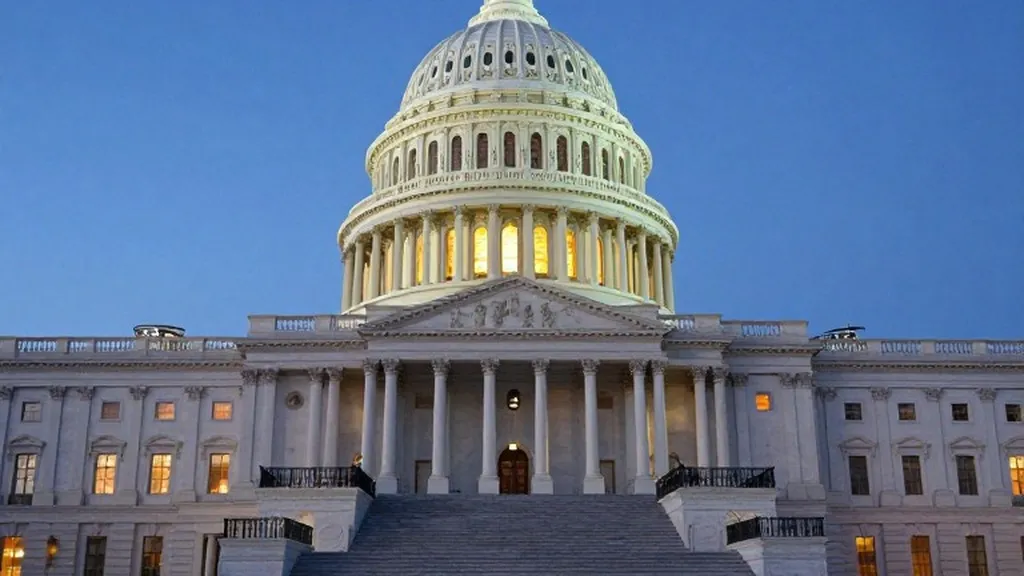
The midterm election results are in, and Democrats have secured the control of Congress that many voters sought. The party now holds healthy majorities in both the House and the Senate, a position that shifts the balance of power in Washington and sets the stage for a new phase of governance. This outcome reflects a broad mandate from the public, particularly from voters who expressed concern about the cost of living and the need for stronger checks on the executive branch.
President Donald Trump and his Department of Justice have already adopted a combative stance toward the new congressional leadership. The president declared on social media that investigative requests made by Democrats are extortion at the highest level, suggesting that lawmakers should be held accountable. Attorney General Todd Blanche echoed this sentiment, stating that criminal investigations of Democrats are possible. Blanche noted that members of the administration and associated companies should not be threatened, a position he said the president shares.
Rep. Robert Garcia, who is poised to chair the House Oversight Committee, has signaled that the new majority will not be intimidated by this rhetoric. Garcia described the current administration as the Trump crime family and stated that the days of Democrats not fighting back are over. His comments suggest a robust agenda of investigations into the executive branch, a move that is expected to define the next two years of the president's term. This approach tests the constitutional role of Congress in providing oversight.
Democratic House leader Hakeem Jeffries, who is on the cusp of becoming the nation's first Black House speaker, has framed the victory as a mandate for accountability. Jeffries stated that if individuals have been shortchanging or stealing from the American people, they must be held accountable in a manner consistent with Congress' constitutional role. He indicated that impeachment is an option for those who have failed the public trust. This stance aligns with the views of many voters who believe Congress has not done enough to provide checks and balances on the presidency.
However, there are internal tensions within the Democratic caucus regarding the pace and nature of these investigations. Some lawmakers, including Sen.-elect Adam Hamilton, the first Democrat elected to the Senate from Kansas in 94 years, have expressed skepticism about impeachment. Hamilton, who campaigned on bringing people together, said he is more interested in setting up guardrails than in dividing the country further. He emphasized that the next two years should not be spent solely on conflict with the White House.
Sen. Bernie Sanders, a Vermont independent who caucuses with Democrats, has also warned against spending all of the party's time investigating the president. Sanders stated that while holding Trump accountable is important, the party must also stand up for working-class families and make a real difference in their lives. This perspective highlights the challenge Democrats face in balancing their oversight duties with the legislative agenda of lowering the cost of living, a key promise to voters.
The new congressional leadership has also weighed in on the administration's personnel choices. Jeffries criticized the appointment of Stephen Miller as the new White House chief of staff, calling it an awful choice. Jeffries cast doubt on the prospect of working with Miller, whom he described as a representative of extremism that Democrats are committed to pushing back against. This criticism reflects broader concerns within the party about the direction of the administration's immigration enforcement policies.
Jeffries also voiced support for a pending resolution to impeach Defense Secretary Pete Hegseth. He described the resolution as a hard yes for Democrats and said the group would be discussing it when they return to the Capitol. Hegseth, in a video response, dismissed the push as politics of personal destruction and said it would not work with him. This exchange underscores the potential for a high-stakes confrontation between the new congressional majority and the current administration.
The election results also marked historic milestones for Native American women in politics. Crystalyne Curley was elected the first woman president of the Navajo Nation, a position she said she has dreamed of since a third-grade field trip. Peggy Flanagan became the first Native American woman elected to the U.S. Senate, and Deb Haaland was elected the first female Native governor of a U.S. state. These victories represent a significant shift in political representation and leadership across the country.
Flanagan credited the support of Native women for her victory in Minnesota, stating that she could not run for the Senate without them. Haaland, who will lead New Mexico, expressed joy at seeing a greater presence of Native women in politics. These leaders join a growing number of Native Americans in Congress, including Sharice Davids and Josh Brecheen in the House, who won reelection. The wave of firsts suggests a broader trend of increased political participation and leadership among Native communities.
The results in other key races further illustrate the shifting political landscape. In Ohio, Democrat Amy Acton won the governor's race by eight points, a significant victory in a state where her party had not held the office in nearly two decades. Her win followed a contentious campaign that included a controversial attack ad from her opponent. In Kansas, the election of Adam Hamilton to the Senate marks a significant change in the state's representation in the upper chamber. These outcomes suggest that voters across the country have engaged with the issues of accountability and representation.
As the new Congress prepares to convene, the focus will likely turn to the legislative agenda and the oversight of the executive branch. The tension between the desire for robust investigations and the need to pass legislation on cost of living and other key issues will be a central dynamic. The coming months will test the ability of the new Democratic leadership to navigate these challenges and deliver on the promises made to voters during the campaign.