Musk: Suppliers to Fast-Track Deliveries for Terafab, Targeting 2028 Chip Output
The Tesla-SpaceX venture is aiming for volume production at its Texas site by late 2028, though the CEO admitted the schedule carries 'big error bars.'
By Mariana Delgado ·
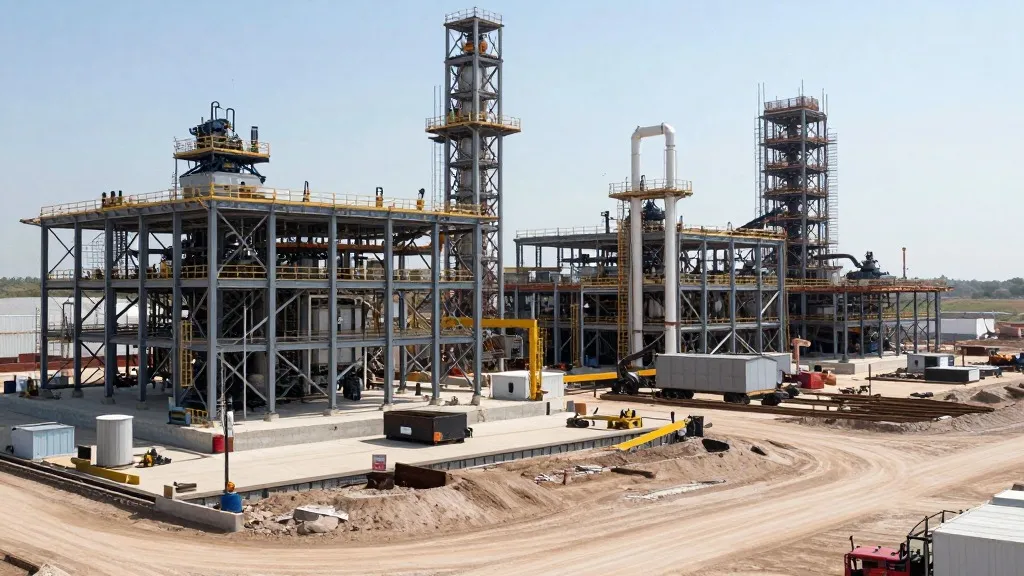
Elon Musk announced Monday that critical equipment suppliers, including lithography leader ASML, are moving up shipment schedules for the Terafab semiconductor facility to support an accelerated timeline. Speaking during an October 20 broadcast of SpaceX's Q3 earnings call on X, Musk confirmed that the joint Tesla-SpaceX project is targeting volume chip production at its Gibbons Creek, Texas location by the third or fourth quarter of 2028.
The CEO, who heads both companies behind the venture, acknowledged the schedule is aggressive. "These are very aggressive dates, and we're very appreciative of ASML and all of our other suppliers in accelerating equipment deliveries in order to achieve this outcome," Musk stated, noting that the timeline is highly aspirational and carries "big error bars." Prior to this production target, SpaceX intends to produce its first experimental test chip at an Austin research facility around the second quarter of 2027.
The project relies on a complex network of partners to reach its goals. Intel joined the venture in April 2026 to assist in developing fabrication technology using its 14A node. ASML is described as a critical partner as the sole commercial provider of the extreme ultraviolet lithography systems required for high-volume production; reports have previously indicated the first EUV tool is slated for delivery in mid-2027, though it remains unclear if that date is part of the acceleration Musk referenced. Other suppliers include Applied Materials, Lam Research, KLA Corporation, Tokyo Electron, and several South Korean firms.
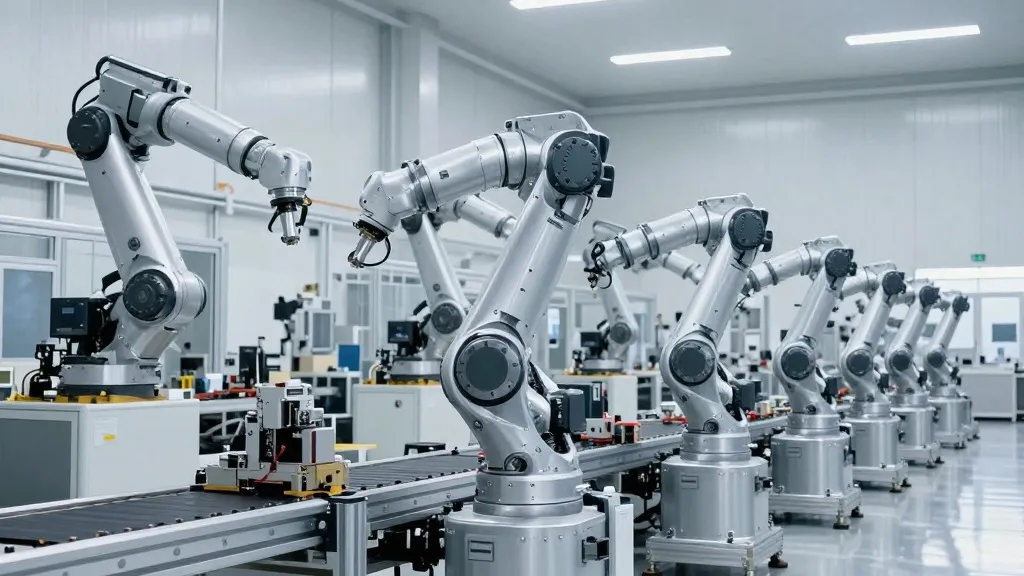
Terafab aims to be a vertically integrated factory producing logic, memory, and advanced packaging architectures in a single location with a goal of manufacturing 1 terawatt of AI computing power annually. Once fully operational, Musk claimed the commercial value of the facility's output would rank within the top 20 global country GDPs from a single building. The facility is designed to supply chips for xAI clusters, self-driving vehicles, Optimus robots, and SpaceX's orbital data center.
In addition to Terafab, Musk outlined aggressive goals for his AI computing infrastructure. He expects the companies to have 2.5 to 3 gigawatts of computing capacity active by the end of this year, with plans to add 10 gigawatts in 2027. To reach a total of 13 gigawatts by the end of 2027, SpaceX and xAI are procuring Nvidia hardware, specifically planning a 440,000-GPU Nvidia "Vera Rubin" training cluster online by the end of Q2 2027.
The scale of the Terafab project has drawn scrutiny from industry watchers. The facility's target of 1 terawatt of computing power per year would exceed current global AI-optimized data center capacity, which research firm Gartner estimates at roughly 44 gigawatts as of late 2026. However, EpochAI data shows that global AI computing capacity has grown by approximately 3.3x to 3.4x annually since 2022. The facility is scheduled to fabricate logic, memory, and advanced packaging architectures for the broader AI industry.
Source: Tom's Hardware