Tesla's 1.74 Million FSD Subscriptions Explained
Tesla's latest reporting includes one-time buyers in its subscription count, a metric directly tied to Elon Musk's 2025 performance-based compensation.
By Anastasia Volkova ·
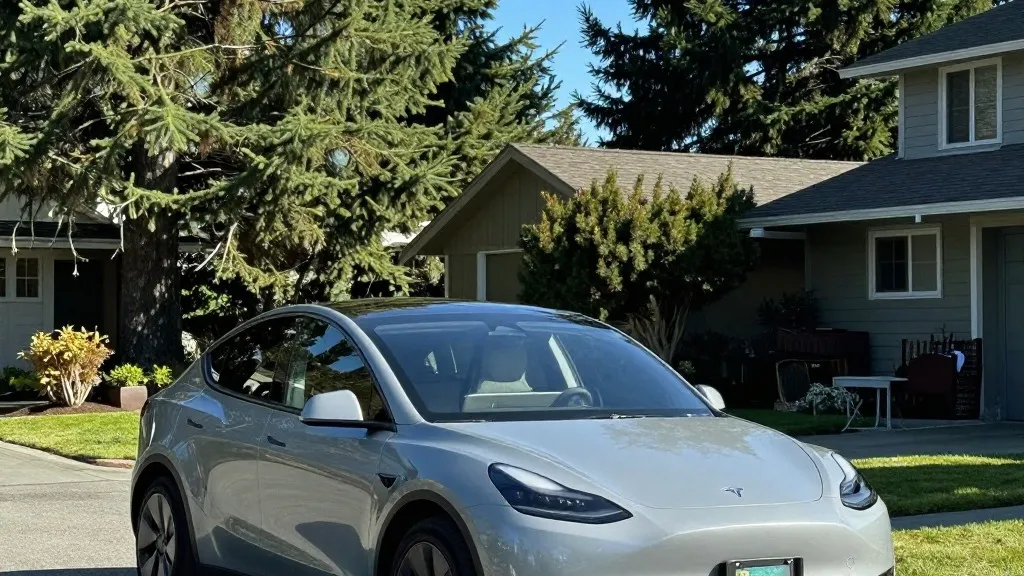
Tesla has reported that its active Full Self-Driving (FSD) user base has reached 1.74 million, marking a 67% year-over-year increase. This figure serves as a primary indicator of the company's software adoption strategy, yet its definition remains a point of focus for investors and analysts tracking the automaker's progress toward specific financial and operational goals.
The methodology behind this total is detailed in a footnote within Tesla's Q3 2026 shareholder letter. The metric aligns with the criteria set forth in the 2025 CEO Performance Award, which counts both upfront purchases and monthly recurring payments as active subscriptions. Consequently, the 1.74 million figure includes owners who purchased FSD outright, some of whom paid as much as $15,000 years ago, rather than limiting the count to those currently paying the $99 monthly fee.
This counting method became necessary after Tesla ceased selling FSD as a one-time purchase on February 14, 2026. Since then, new customers in the U.S. have been restricted to the $99 monthly subscription model. However, existing owners who paid upfront remain in the active subscription count for as long as their vehicles are in operation. The only exclusion from this total is free trials, a distinction that has led to scrutiny over how the company presents its growth momentum.
The importance of this metric extends beyond simple software adoption statistics. It is directly linked to one of the twelve tranches in Elon Musk’s 2025 compensation package, which requires the company to achieve 10 million active FSD subscriptions. Because the board established this definition to match the pay package, the 1.74 million figure serves as a critical checkpoint for potential equity vesting, making the precision of the count a significant corporate governance issue.
In addition to subscription numbers, Tesla reported a 75% attach rate for FSD on new deliveries in North America during Q3, a nearly twenty percentage point increase from the previous quarter. The company attributes this surge to FSD driving demand in markets where it is available. However, the letter does not define whether this rate includes introductory offers or how many of those buyers continue paying after the initial period, leaving retention data unclear.
The pace of growth suggests a long timeline to reach the 10 million milestone. Tesla added 260,000 net subscriptions in Q3, its strongest quarter to date. At this rate, reaching 10 million would take approximately eight years. If the company maintains the trailing 12-month average of roughly 700,000 annual additions, the timeline extends to about 12 years. The compensation award remains in effect until 2035, providing a long window for these targets to be met.
Tesla’s reporting also reflects similar accounting adjustments in other areas. The company’s cumulative deliveries figure, now standing at 10.2 million, includes unsupervised Robotaxis placed into commercial operation to align with the 20 million vehicle milestone in the pay package. As of June 30, Tesla considered only the 20 million delivery target probable, while the FSD subscription milestone remains a key operational hurdle for the CEO's compensation structure.
For Pacific Northwest readers and other stakeholders, the clarity of these metrics is essential for evaluating Tesla's software business. While counting one-time buyers is not inherently incorrect, the labeling of these users as subscribers can obscure the true scale of the recurring revenue stream. The company has not disclosed how many of the 1.74 million users are actively paying the monthly fee, a data point that would provide a clearer picture of the FSD business model's viability.
Source: Electrek