Tesla Sets 2027 Deadline for Optimus Robot Sales Amid Hand Design Struggles
CEO Elon Musk pushed back external robot deliveries to late 2027, citing persistent challenges with dexterity, durability, and artificial intelligence integration.
By Sanjay Caldwell ·
Tesla has officially delayed the launch of its Optimus humanoid robots for external customers until the end of 2027. CEO Elon Musk confirmed this timeline during the company's third-quarter 2026 earnings call. He explained that the robot's hands, overall durability, and artificial intelligence systems still require significant refinement before they can be sold to outside businesses. These three areas represent the primary hurdles that all humanoid robot manufacturers currently face.
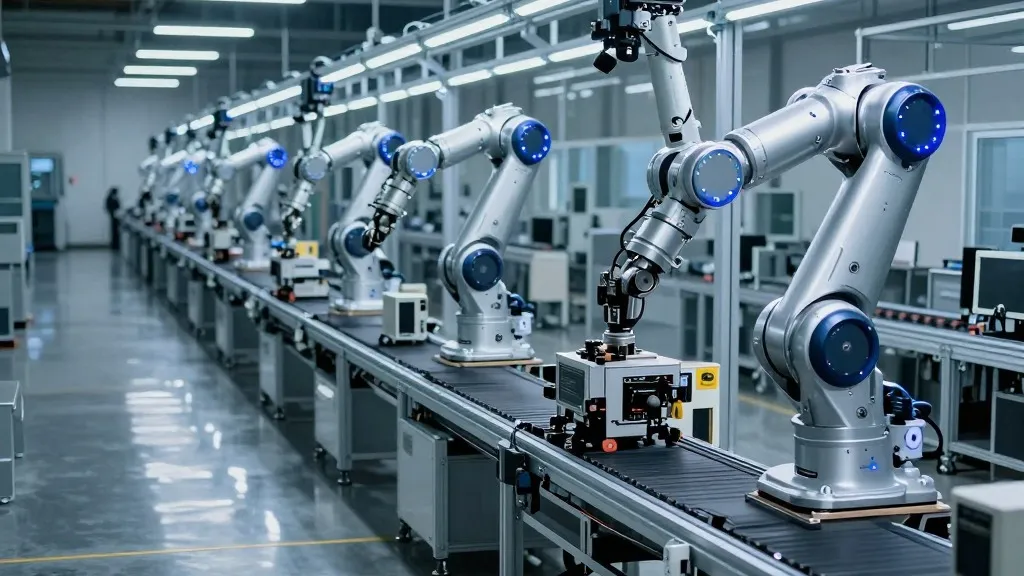
Production is currently underway at the Fremont factory, where Tesla previously built the Model S and Model X. The company has installed most of the assembly line designed to handle one million units annually. However, Musk noted that reaching a production rate of 20,000 units per week will take at least a year. He attributed this timeline to ongoing design changes in specific components. The initial external deliveries are expected to target industrial environments where jobs are dangerous, repetitive, or require around-the-clock operation.
The most difficult hardware component remains the robot's hand. A Tesla engineer identified the fingers and custom gears as critical problem areas. Musk agreed that the hand is the main issue because the fingers must be soft enough for delicate objects yet durable enough to withstand constant wear. Unlike human skin, robot skin cannot heal, making reliability a major engineering challenge. The company plans to integrate its AI5 chip into Optimus by April 2027 to improve performance.
On the software side, Tesla lacks a large fleet of robots collecting data like its cars do for full self-driving. To solve this, the company plans to build 10,000 to 20,000 units for an internal training program called the Optimus Academy. Musk promised a video demonstration within two months showing the robot performing unscripted tasks. He argued that many current industry demos rely on pre-programmed routines that fail in real-world conditions.
This delay follows a pattern of shifting timelines for the project. In 2024, Musk predicted internal use in 2025 and high-volume external sales in 2026. By January 2025, he claimed 10,000 robots would be built that year, a goal he later admitted was not met. The current Q3 shareholder letter describes the latest units from the Fremont line as the first production-quality models ever manufactured by the company.
Competitors are not standing still. XPeng activated an automated production line for its IRON robot in Guangzhou in September. The company aims for mass production by late 2026 and deliveries in early 2027. Meanwhile, Boston Dynamics began producing its electric Atlas robot in January and has committed all its 2026 deployments. These include partnerships with Google DeepMind and Hyundai, which plans to deploy 25,000 robots across its plants. Boston Dynamics also hired Milan Kovac, Tesla's former Optimus head, in January.
Musk stated on the earnings call that no other company is close to Tesla in general-purpose robotics. However, rivals like XPeng and Boston Dynamics have demonstrated comparable progress. Tesla must now prove that its robots can handle real work without pre-programmed scripts. The coming months will determine if the late 2027 deadline holds or if the timeline slips again.