The Price of Power: Record Spending in the 2026 Midterm Election
Republican committees hold a massive financial advantage, but Democrats lead in candidate-level fundraising amid a record-breaking cost for the election.
By Lucas Sheridan ·
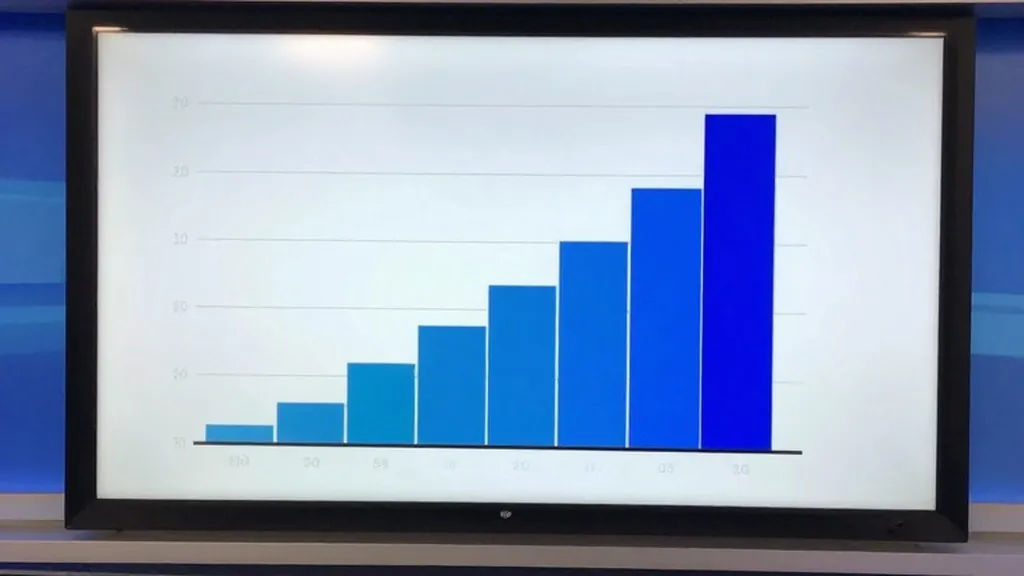
The 2026 midterm election is shaping up to be the most expensive in American history, a financial arms race that reflects the high stakes of determining who controls Congress for the final two years of President Donald Trump's second term. With polls open across the nation, the sheer volume of money flowing into the race has created a complex landscape where committee-level advantages clash with candidate-level realities. The Associated Press reports that the total expenditure is likely to shatter previous records, driven by a combination of partisan strategy, billionaire influence, and the intense competition over key legislative seats.
At the committee level, Republican groups have held a distinct edge, outraising and outspending their Democratic counterparts. This advantage has been bolstered by the involvement of Trump-affiliated organizations and the significant contributions of Elon Musk. According to an analysis of AdImpact data, 88.1 percent of Republican general election television ad spending has been directed toward states and districts that Trump won in the 2024 presidential election. Within those areas, more than 850 million dollars in advertising was spent in districts where the president won by ten points or more, signaling a strategy focused on consolidating support in strongholds.
However, the financial picture is not uniform across all levels of the race. While Republican committees dominate in aggregate spending, Democrats have managed to outraise their opponents at the candidate level. This distinction is crucial for voters in competitive districts, where individual candidates may have more resources to compete for attention than their party's national committees might suggest. The divergence between committee and candidate fundraising highlights the fragmented nature of the 2026 election, where local dynamics often override national trends.
The influx of money is occurring against a backdrop of significant economic concern among voters. The Associated Press describes the election as a referendum on Trump's second term, with many Americans struggling with high prices and expressing anger over an unpopular war with Iran. Polling from AP-NORC indicates that only 35 percent of U.S. Adults approve of the president's job performance, and about seven in ten believe the country is heading in the wrong direction. These sentiments are driving the heavy investment in advertising, as both parties seek to shape the narrative around the cost of living and economic stewardship.
In battleground states, the spending is particularly intense. The Associated Press notes that economic strain and tariffs have made states like Maine competitive, drawing significant advertising dollars from both sides. In North Carolina, the race between Democratic former Governor Roy Cooper and Republican former RNC chair Michael Whatley has become a focal point, with heavy media buys aimed at swaying undecided voters. Similarly, in Georgia, the contest between Senator Jon Ossoff and Representative Mike Collins has attracted substantial funds, reflecting the high stakes of the Senate fight.
The role of Elon Musk in the Republican fundraising effort has been a notable development in this cycle. His involvement has helped fund the outspending by Republican committees, providing a financial cushion that allows them to maintain a presence in numerous markets simultaneously. This concentrated spending power has enabled Republican groups to saturate airwaves in key districts, often outbidding Democratic candidates who are relying more heavily on individual donor contributions and party committees.
Democrats, meanwhile, are leveraging their candidate-level fundraising edge to target specific races where they believe they can make a difference. The party is focused on holding the governorships they currently occupy and gaining control of at least one chamber of Congress. A strong performance by Democratic candidates could lead to increased oversight of the administration and potential investigations, a prospect that has driven aggressive spending in both the House and Senate races.
The new congressional maps in states such as California, Florida, Missouri, North Carolina, Tennessee, Texas, and Ohio are also influencing where money is deployed. Republicans attempted to use redistricting to beat the typical midterm pattern of losing seats, but the effectiveness of these new districts remains to be seen. The heavy spending in these areas reflects the uncertainty surrounding how the new boundaries will affect voter behavior and the final count of seats in the House.
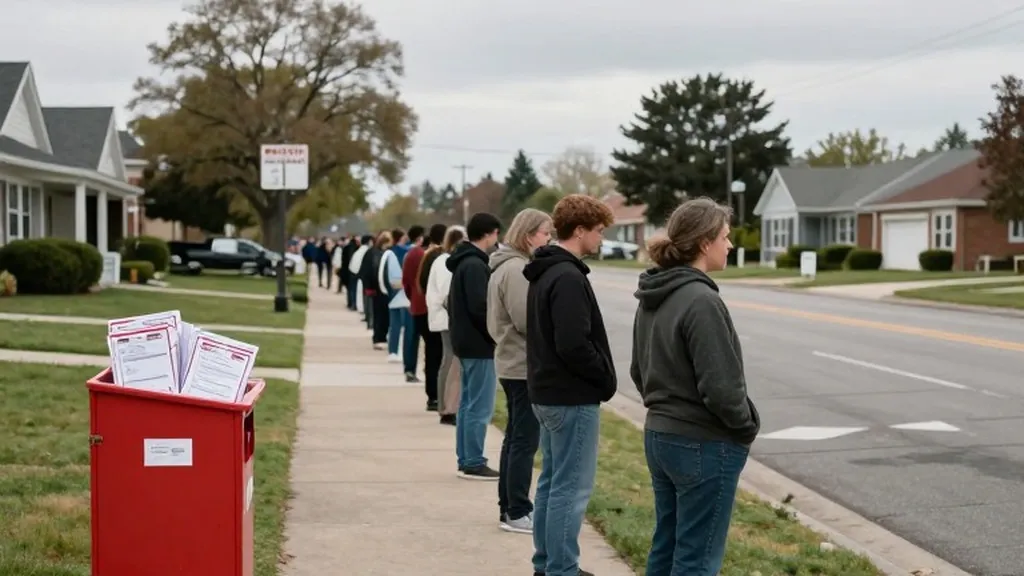
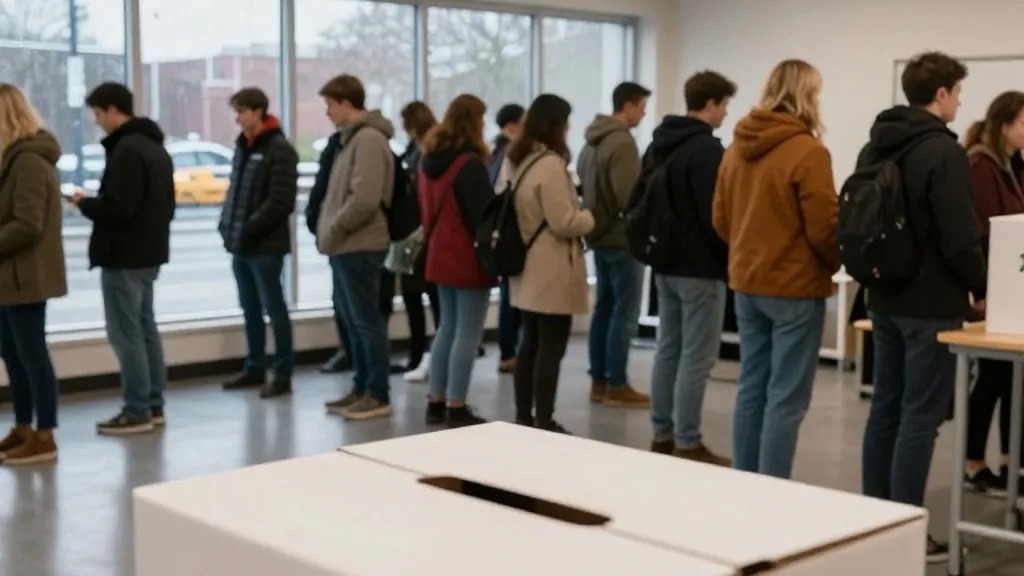
As voters head to the polls, the impact of this record-breaking spending is evident in the volume of advertisements they are encountering. The Associated Press notes that more than 57 million people had already voted as of Monday, surpassing early vote totals from four years ago in many closely watched states. The financial intensity of the campaign has kept the election at the forefront of the national conversation, with both parties arguing that their spending strategy is the key to victory.
The final tally of expenditures will likely set a new benchmark for American political history. The combination of billionaire contributions, targeted advertising, and the high stakes of the congressional control race has created a financial environment that is both unprecedented and polarizing. As the results come in, the role of money in shaping the outcome of this election will be closely examined, providing insights into how future campaigns may be funded and executed.
The election is being watched closely by Wall Street, with results potentially adding to investor concerns about AI spending and debt ceiling negotiations. The financial scale of the campaign underscores the broader economic implications of the political contest, linking the fate of Congress to the stability of the financial markets.