Voters rejected Trump's $5,000 dividend as Democrats seize Congress
Democrats won both chambers on Tuesday, leaving the president to weigh whether his Dallas promise was a calculated risk that backfired or a genuine policy goal that now faces legislative hurdles.
By Lucas Sheridan ·
President Donald Trump’s promise to send a $5,000 check to every adult American if Republicans kept control of Congress has become a central point of debate in the aftermath of Tuesday’s midterm elections. Democrats won a decisive victory, taking control of both the House and the Senate, which means the condition for the payment was not met. The result forces a closer look at the mechanics of the pledge, the skepticism from both parties, and the immediate implications for the administration’s budget and strategy.
At the Republican Midterm Convention in Dallas last week, Trump made the announcement in a lengthy address. He stated that if the Republicans won both the House of Representatives and the United States Senate, he would issue a dividend to every adult citizen in the United States for $5,000. He branded the payment the "Trump dividend" and linked it directly to what he described as the country’s tremendous economic success. The speech was designed to energize the base, but it also set a high bar for the party’s performance in the election.
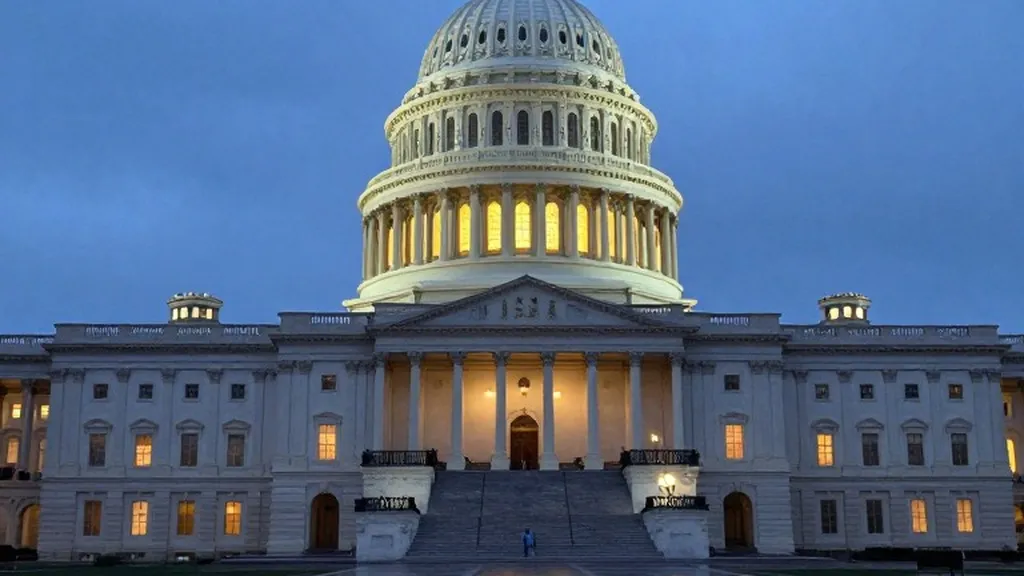
The election results were clear. Democrats won 238 House seats and 20 of the 35 Senate seats on the ballot, securing majorities in both chambers. This outcome effectively voids the specific condition Trump attached to the payment. The shift in power is significant because it places the legislative initiative in Democratic hands, a group that had generally expressed skepticism about the cost and funding sources for the proposal during the campaign.
Speaker Mike Johnson, who led the House Republicans during the campaign, acknowledged the procedural requirements for such a payment. Speaking on Sunday before the election, Johnson said that congressional approval is needed for the dividend. He described the idea as creative and pledged that Congress would work through it to find consensus. Johnson’s comments provided a contrast to Trump’s later statements, in which the president told reporters that the payment was going to happen 100% and that the process would be easy enough given the strong economy.
Criticism of the plan was bipartisan, with Democrats highlighting the cost and Republicans questioning the long-term fiscal impact. The proposal could cost more than $1 trillion, according to estimates. This figure would strain the country’s nearly $1.8 trillion annual budget deficit. Democratic leaders, now poised to return to power in Congress, have already vowed to use their majority to probe administration spending and corruption, which may include a detailed review of how such large payments are funded and distributed.
PolitiFact’s analysis of the promise found that the biggest payment is far from certain, even if the political conditions had been met. The fact-checkers noted that the administration had announced no formal plan for how the checks would be distributed or funded. Trump cited tariff revenues as a potential source, but fiscal experts cast doubt on whether that revenue stream could cover the expense. The White House press release about the dividend provided few details on the logistics of the payment, leaving voters and analysts to speculate on the implementation.
The economic context of the promise is also under scrutiny. Consumer sentiment is weak, with gasoline prices rising due to the war with Iran and wages struggling to keep pace with inflation. Trump declared that inflation is solved, despite data showing consumer prices rose 3.6% in September from a year earlier. This disconnect between the president’s optimistic rhetoric and the economic data cited by the Commerce Department adds to the skepticism surrounding the feasibility of such a large payout.
The failure of the Republican Party to retain control of Congress complicates the legal and political path for the dividend. While election law experts like Rick Hasen noted that the promise is constitutionally protected as campaign rhetoric, its practical realization requires legislative action. With Democrats now holding the gavel in both chambers, any bill to fund the $5,000 checks would face a hostile majority that has prioritized oversight and cost-of-living concerns. The dynamic shifts from a promise of reward to a potential target of investigation.
The contrast between the pre-election confidence and the post-election reality is stark. Trump had told voters to act as though he were on the ballot, betting that his popularity would drive turnout. Instead, the electorate, angry over high prices and the war in Iran, voted for change. Most voters felt frustrated with the country’s direction, with three-quarters saying the economy is not so good or poor. This dissatisfaction likely contributed to the Democratic sweep, which now leaves the Trump dividend as a notable campaign promise that did not translate into immediate policy.
As the new Congress prepares to convene, the focus will turn to the administration’s next moves. The president has suggested he remains locked in on the Iran conflict, a factor that has driven up energy costs and affected the broader economy. The potential for further budgetary strains, combined with the new Democratic leadership’s vow to clean up corruption in government, creates a complex backdrop for any future attempts to revive the dividend. The episode serves as a case study in how election-year promises interact with legislative realities.
The outcome also highlights the role of economic anxiety in shaping voter behavior. Record Election Day diesel and gasoline prices helped push Americans toward Democrats, according to exit polls. Voters cited the cost of living as a primary concern, a theme that resonated with the criticism of the dividend plan’s cost. With Democrats now in control, the political energy that fueled the promise of a check in the mail is being redirected toward oversight and legislative action, marking a new phase in the administration’s relationship with Congress.