Democrats Seize Both Chambers of Congress in Historic Midterm Sweep
Voters ousted Republicans nationwide, handing Democrats control of the House and Senate to launch major oversight of the Trump administration and the Iran war.
By Sanjay Caldwell ·
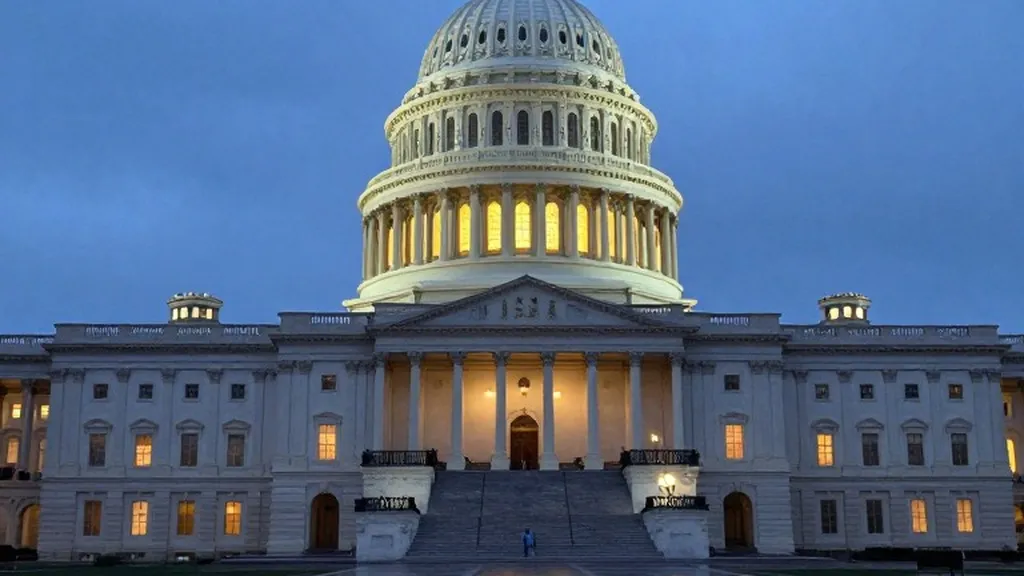
Democrats have secured a decisive victory in the 2026 midterm elections, taking control of both chambers of the U.S. Congress after a wave of dissatisfaction with the Trump administration. Democrats won 20 of the 35 U.S. Senate races called as of late November 4, flipping seven seats from Republican control. In the House of Representatives, Democrats captured 238 of the 435 seats, a net gain of 33 districts that ensures a clear majority for the party in the lower chamber. This shift marks a significant realignment in Washington, as the party previously held a minority in both chambers heading into the election.
The results reflect a broad national mandate for oversight and accountability, driven by voter concerns over the cost of living and the ongoing conflict with Iran. Record high diesel and gasoline prices played a pivotal role in pushing voters toward Democratic candidates, with exit polls indicating that economic hardship was the primary factor in many districts. The war in Iran, which has lasted for eight months, contributed significantly to the Republican losses, as voters sought to check the executive branch's war powers and spending.
In the Senate, the Democratic gain included seven seats that changed party hands in Iowa, Kansas, Maine, North Carolina, Ohio, South Carolina, and Texas. Democrats would win control of the chamber, a prediction that held as results tallied over the following days. The party also gained control of the special Senate seat in Ohio, while Republicans retained their special seat in Florida. This outcome ends the Republican majority that had held the Senate since 2024, when they won a 53-47 majority.
With the House majority, Democrats are poised to launch an extensive oversight agenda targeting the Trump administration's business dealings and spending priorities. Senior Democratic leaders, including incoming House Speaker Hakeem Jeffries of New York, have vowed to use subpoena powers and expanded staff to probe what they describe as self-enrichment by the president and his allies. Rep. Robert Garcia of California, who will lead the Oversight Committee, has prioritized investigations into Trump family business deals, the administration's handling of the Jeffrey Epstein files, and Immigration and Customs Enforcement operations.
Senate Democrats, led by Majority Leader Chuck Schumer of New York, are expected to mirror these efforts in the upper chamber. Schumer stated that Americans want to clean up corruption in government, emphasizing that no citizen should have to make tradeoffs at the supermarket while the president engages in stock market trades. The House majority brings an infusion of congressional committee staff and resources, allowing for a sprawling investigation that will involve multiple committees with authority over cabinet officials and federal agencies.
The election results also signal a shift in the executive branch's ability to push through legislative agendas without significant resistance. While Democrats have a large microphone to scrutinize trade policies and other executive actions, they largely lack the power to override a presidential veto. This dynamic sets the stage for potential standoffs over the government's borrowing limit and other fiscal matters, which investors are watching closely. The market reaction to the election included a drop in oil prices, with Brent crude falling below $95 on Wednesday, suggesting that traders do not expect an immediate escalation of strikes against Iran.
President Donald Trump has acknowledged the losses, with his administration now facing difficult decisions regarding the next steps in the Iran war. Trump suggested the election losses are not weighing heavily on his calculations, stating that if the U.S. Has to complete its objectives in Iran, it is locked in. However, analysts note that the new congressional majority may force the president to be more restrained in his military and diplomatic choices. Brian Haggerty, a former senior CIA analyst, said there is reason to suspect that Trump may feel less constrained politically, but the strategic logic of escalation remains unchanged.
Beyond federal offices, the Democratic wave extended to statehouses, with Democrats winning 22 of the 36 governorships on the ballot. Five governorships changed party control to Democrats in Georgia, Iowa, Ohio, and Texas. This expansion of executive power at the state level gives Democrats more leverage to implement policies related to healthcare, education, and infrastructure. The party also gained control of 45 state legislative chambers, further solidifying its position across the country.
The election was marked by historic firsts, including the election of Abdul El-Sayed to the U.S. Senate from Michigan, making him the first Muslim American to serve in the chamber. El-Sayed's victory was celebrated by Arab communities worldwide, particularly for his use of Arabic terms like 'habibi' in his victory speech. This moment symbolized a broader shift in representation and diversity within the federal government, as voters elected a slate of candidates from underrepresented backgrounds.
As the new Congress prepares to convene in January, the focus will turn to immediate legislative priorities and the pace of oversight investigations. Law firms with congressional investigation practices expect a surge in work as Democrats ramp up their scrutiny of the administration. The Democratic Party is also positioning itself for the 2028 presidential race, using the oversight findings to build a narrative for the next election. The coming months will test the new majority's ability to unite around key issues and deliver tangible results for voters who expressed frustration with the status quo.