Autonomous Vehicles: Proposed federal rule seeks specific light color for self-driving cars
Federal regulators are proposing new safety standards to standardize lighting for autonomous vehicles, including a specific color for self-driving cars to signal operation.
By Anna Nowak ·
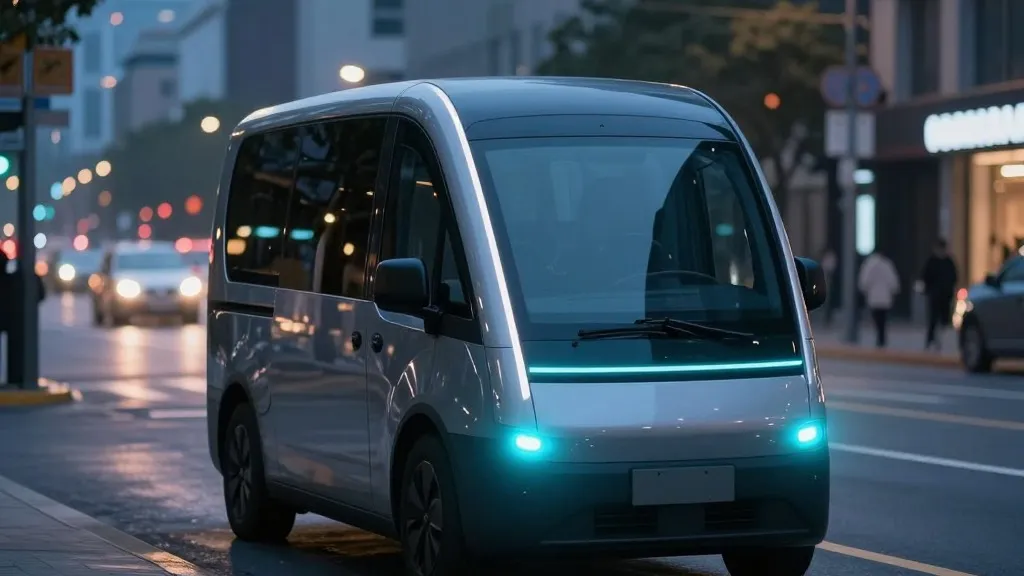
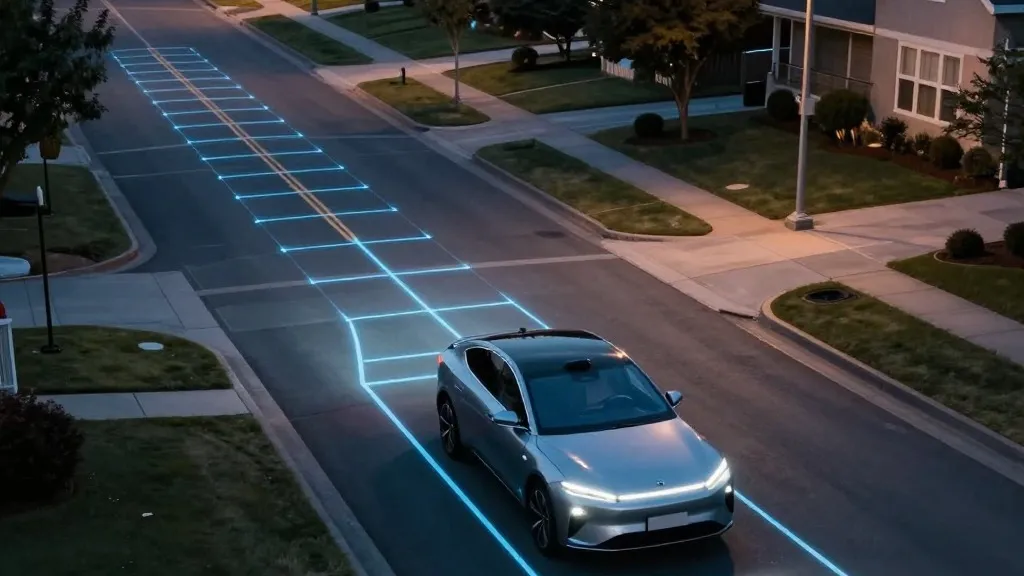
For years, how self-driving cars should visually indicate no one is behind the wheel has been debated, but now federal regulators are proposing a specific color: cyan.
The National Highway Traffic Safety Administration (NHTSA) has proposed changes to Federal Motor Vehicle Safety Standard (FMVSS) No. 108, outlining requirements for autonomous vehicles. This proposal aims to standardize how self-driving cars communicate with other road users, beginning with a distinct blue-green light.
NHTSA is proposing cyan marker lamps to signal when an automated driving system is operating a vehicle. Existing colors like red, amber, white, and flashing blue or red are already in use for brakes, turn signals, headlights, and emergency vehicles, making cyan a potential choice to avoid confusion.
Mercedes-Benz previously received state-level approval for turquoise lights on its Level 3 Drive Pilot vehicles, though the company later abandoned that idea for a Level 2++ system. NHTSA's proposal would establish a national standard for such lights, which could be adopted by robotaxi operators like Waymo, Nuro, and Zoox, as well as automakers such as GM and Mercedes.
While the proposed cyan marker lights would be optional for manufacturers, establishing federal standards for their color, brightness, and location would ensure that any automaker choosing to add them uses a consistent and legal configuration.
In addition to the lighting proposal, NHTSA is suggesting the removal of certain lighting requirements that do not apply to vehicles without human drivers. Current regulations mandate physical hazard switches, manual beam shifters, and turn levers inside vehicles, all of which the agency proposes to eliminate. The 12.8-volt testing standard would also be updated to accommodate modern LED architectures, and NHTSA is considering removing requirements that specify the positioning of high-beam and low-beam lights.
This update aligns with the Department of Transportation's broader efforts to streamline the deployment of autonomous vehicles. The government aims to simplify the process for automakers to construct vehicles without traditional controls like steering wheels and pedals, which are intended for human-driven cars.
Regulators continue to enforce existing rules while working on these updates. Last month, NHTSA opened an audit query into the Tesla Cybercab to examine the process and technical data used by Tesla to certify the Cybercab and related issues. This inquiry concerns the absence of certain design features like sideview mirrors, pedals, and a steering wheel, which are required under FMVSS.
The proposed changes to FMVSS No. 108 would affect how self-driving vehicles signal their operation and remove requirements for controls that do not exist in autonomous cars. The proposal aims to establish national standards for self-driving car lighting to ensure consistency among manufacturers.
Source: The Verge