Iranian leaders celebrate U.S. midterm losses as war talks continue
Tehran officials frame the Republican defeat as a rebuke of the administration's war strategy, even as Supreme Leader Mojtaba Khamenei warns that the U.S. stance on Iran is unlikely to change.
By Takeshi Faure ·
U.S. voters elected Democrats to control both chambers of Congress in Tuesday's midterm election, a result that Iranian officials quickly framed as a rejection of the administration's handling of the ongoing war with Iran.
Concerns over the economic impact of the conflict, particularly rising fuel and goods prices, drove voter turnout that shifted power in Washington. The change in congressional leadership has prompted immediate reactions from Tehran, where leaders are watching for shifts in U.S. policy.
Mohammad Bagher Qalibaf, Iran's parliament speaker and chief negotiator, posted on X that Americans voted against the war. He stated, "Conscience or the cost of living, Americans said NO TO WAR, and we endorse this message." Qalibaf added that if the U.S. government ignores this public will to serve international interests, it would face a "nightmare."
Ali Nikzad, Iran's deputy parliament speaker, told lawmakers on Wednesday that U.S. sanctions have failed to break the Iranian economy. He described the Republican losses as "the aftershocks of defeat at the hands of the Iranian people."
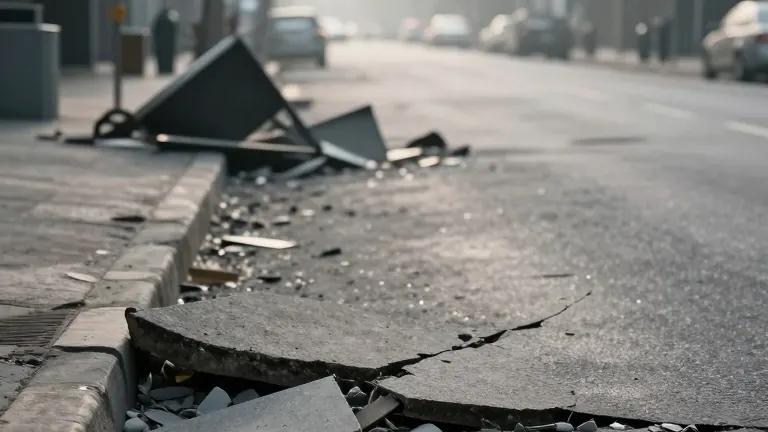
The election results came just days after the U.S. carried out a limited strike on Iranian targets in the Strait of Hormuz. Iranian state media reported explosions on Monday on Qeshm and Hengam islands and near the port city of Bandar Abbas. Authorities have not yet disclosed the extent of the damage or the specific sites struck.
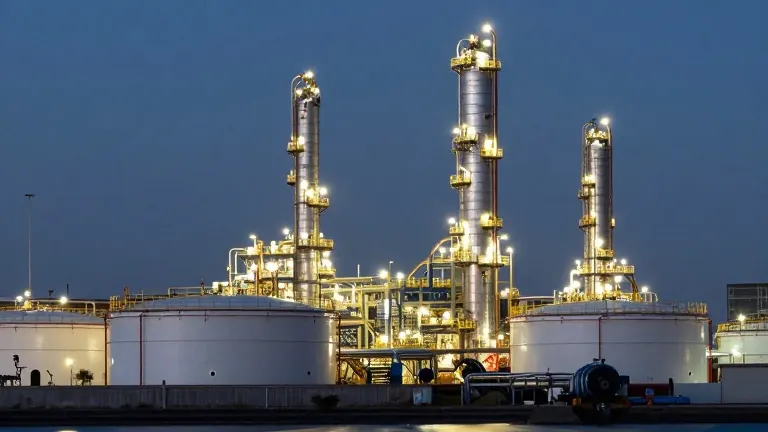
The Strait of Hormuz, which handled about one-fifth of global oil supply before the war, remains a focal point of the conflict. Iran has restricted commercial shipping through the waterway since the war began, while the U.S. maintains a naval blockade of Iranian ports. Thousands of U.S. troops are stationed in the region, with additional forces en route.
Ayatollah Mojtaba Khamenei, the current supreme leader who has not appeared publicly since the war started, issued a letter warning against expectations of a U.S. policy shift. He wrote that those hoping for a change in behavior due to partisan shifts are "gravely mistaken." The U.S. and Israel launched the war on Feb. 28, killing Ayatollah Ali Khamenei and disrupting global energy markets.
Despite the diplomatic messaging, military tensions remain high. Israeli Prime Minister Benjamin Netanyahu reportedly urged for more strikes during a weekend call with President Donald Trump. Two regional officials and a third person familiar with the matter said mediators are working on a framework where Iran would halt attacks in the strait in exchange for the U.S. lifting its blockade.
U.S. Vice President JD Vance said on Monday that he and Trump feel good about the prospects for a negotiated settlement. This comment was made before news of the latest strikes emerged. The last known major U.S. attacks on Iran occurred in early September.
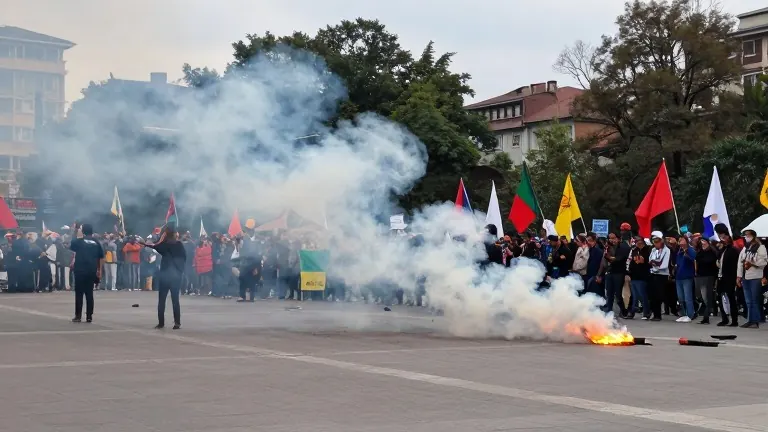
Wednesday also marked the anniversary of the 1979 seizure of the U.S. Embassy in Tehran. Thousands of people marched through the capital, burning American and Israeli flags and chanting slogans. Tehran Mayor Alireza Zakani addressed the crowd, claiming the U.S. and Israel had suffered a decisive defeat in recent developments and elections.
U.S. and Israeli forces continue to assess the situation. The conflict, now more than eight months old, has devastated the Iranian economy and rattled global markets. Diplomatic back-channels remain open as both sides weigh their next moves.