SpaceX Declines U.S. Space Force Launch Contracts
The company turned down three military launch offers as a NASA panel assessed high refueling requirements for a lunar mission.
By Andre Williams ·
The U.S. Space Force offered SpaceX three military launch contracts on October 22. SpaceX declined all three offers. The company said no to the deal the same day. A NASA safety panel also released new information about SpaceX's Starship. The panel said the vehicle may need up to 22 refuelings to support a lunar landing. This assessment came out on Thursday.
The military launch offers are part of a larger program. The U.S. Space Force is preparing for future launch needs. SpaceX has been a major provider for these missions. The company's decision to decline the contracts is a significant development. It changes the landscape of military space launch. The agency will now need to consider other options for these missions.
The refueling assessment is a separate matter. It concerns SpaceX's Starship vehicle. The vehicle is being developed for a lunar landing. The NASA safety panel's report outlines a complex refueling process. A lunar mission would require a large number of in-orbit refuelings. The panel's finding highlights the technical challenges ahead for the Starship program. The process is a critical part of the mission architecture.
The news about SpaceX comes as other companies continue their own work. PLD Space is a Spanish company. It is preparing its Miura 5 rocket for a first flight. The company's CEO, Raúl Torres, provided a program update on October 19. He said the rocket is nearing final integration. The company has manufactured three Miura 5 vehicles. The other two are for qualifying key system elements. PLD Space targets a first flight of the small-lift vehicle before mid-2027.
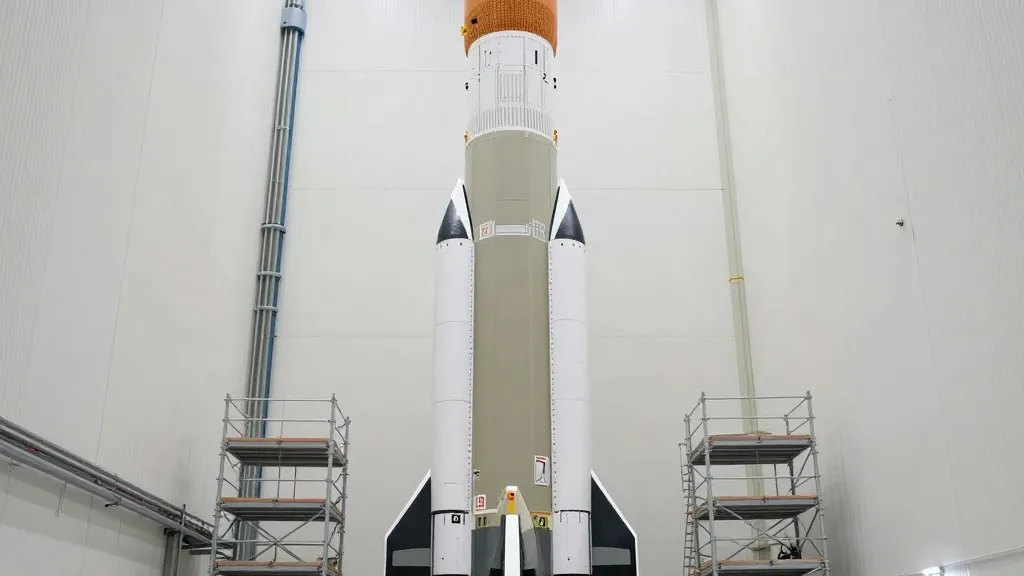
A second stage for a Miura 5 rocket is now fully integrated. It is at PLD's Teruel test facility. The stage will undergo system-level testing. The testing includes a wet dress rehearsal. It also includes a static hot-fire test. The company is working to qualify the vehicle's systems. The goal is to prepare for the first flight. The company is moving forward with its plans.
Another company, Reaction Dynamics, is seeking to raise $350 million. The company is a Canadian launch startup. It plans to use the funds to grow its staff. The company wants to expand from 68 to more than 350 people. Reaction Dynamics is developing the small-lift Aurora rocket. The company hopes the Aurora will reach orbit in 2028. It also announced plans to build a medium-lift rocket, Borealis, for a debut by 2031.
The developments show a busy time in the space industry. SpaceX is at the center of much of this activity. The company's decisions affect military and civil space programs. Other companies are also making progress on their own rockets. PLD Space and Reaction Dynamics are working on new vehicles. The industry is preparing for a new era of spaceflight. The stakes are high for all involved. The companies are competing for contracts and funding. The outcome will shape the future of space exploration.
Source: Ars Technica