57 Million Have Voted: How Turnout Will Decide Congress
With polls open, both parties stake their cases on voter participation, while new district maps and heavy spending reshape the midterm landscape.
By Lucas Sheridan ·
The United States is in the midst of a decisive midterm election, with all 435 House seats and 35 Senate seats up for grabs. This election occurs halfway through President Donald Trump's second term, meaning the results will determine which party controls Congress for the final two years of his presidency. The House currently has 218 Republican seats and 214 Democratic seats, with one independent and several vacancies. Democrats require a net gain of three districts to secure a majority, while Republicans can afford to lose no more than two. In the Senate, Republicans hold 53 seats compared to the 45 held by Democrats and two independents who caucus with Democrats. Democrats need a net gain of four seats to take control, a threshold that makes the race for the upper chamber particularly tight.
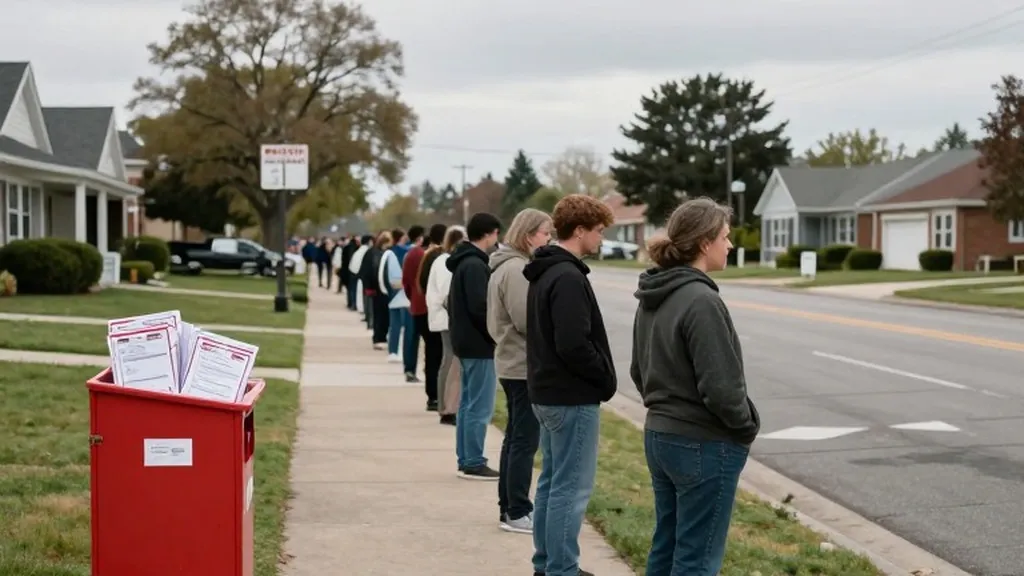
More than 57 million people had already cast their ballots as of Monday, a figure that surpasses the early vote totals from four years ago in many closely watched states. This surge in early participation is central to the strategy of both parties, who are now focused on mobilizing voters on Election Day. RNC Chairman Joe Gruters emphasized the importance of this metric, stating, "Everything depends on turnout. If we turn out our voters, we win, and that's what we've been planning for." Conversely, DCCC Chair Rep. Suzan DelBene highlighted the emotional driver for her party's base, noting, "The American people are angry. They want change." These differing assessments reflect the distinct ground games being deployed across the country as polls open.
The Associated Press describes the current political mood as a referendum on the president's second term, with voters struggling with high prices and anger over an unpopular war with Iran. Recent polling indicates that only 35% of U.S. Adults approve of Trump's job performance, while 25% approve of his handling of the economy. Approximately seven in ten adults believe the country is heading in the wrong direction, with most blaming the president for rising costs. This sentiment is echoed by individual voters who feel the weight of the cost of living. James Moore, a 57-year-old librarian in Raleigh, North Carolina, summarized this frustration by saying, "I'm paying more taxes. I'm paying more for my healthcare. I'm paying more for everything."
Despite the favorable polling for Democrats on economic issues, Republicans possess a significant financial advantage that shapes the campaign's final days. The 2026 elections are likely to be the most expensive in history, with Republican committees outraising and outspending their Democratic counterparts. This edge is bolstered by Trump-affiliated groups and the support of Elon Musk. 88.1% of Republican general election TV ad spending went to states and districts that Trump won in 2024. Notably, more than $850 million was spent in areas where he won by 10 points or more. In contrast, at the candidate level, Democrats managed to outraise their opponents, suggesting a more efficient use of limited resources in specific races.
Redistricting has added a layer of complexity to the midterms, as six states, including California, Florida, Missouri, North Carolina, Tennessee, and Texas, are using new congressional maps. Ohio is also utilizing a new map. These changes were part of a Republican strategy to beat the traditional midterm pattern where a president's party almost always loses seats. However, new districts in Florida and elsewhere may not vote as they were drawn, introducing uncertainty into the predictions. The battleground for the House includes 46 districts identified by Ballotpedia, with 25 held by Democrats and 21 by Republicans. Among these, 21 Democratic-held districts voted for Trump in 2024, while nine Republican-held districts voted for Kamala Harris, indicating a shifting political landscape in these areas.
In the Senate, the fight for control is concentrated in a dozen key states. Maine is currently a toss-up, making it a critical target for Democrats seeking a net gain of four seats. Georgia is rated lean to likely Democratic, while Alaska and Michigan are rated as toss-ups to lean Democratic. Republicans are fighting to hold their ground in states like Kansas, which has become central to the fight for Senate control despite being reliably Republican. The intense competition in these races is highlighted, noting that economic strain and tariffs have made states like Maine more competitive. The outcome in these states will determine whether Democrats can initiate investigations and possible impeachment proceedings, a goal outlined by House Democratic Leader Hakeem Jeffries.
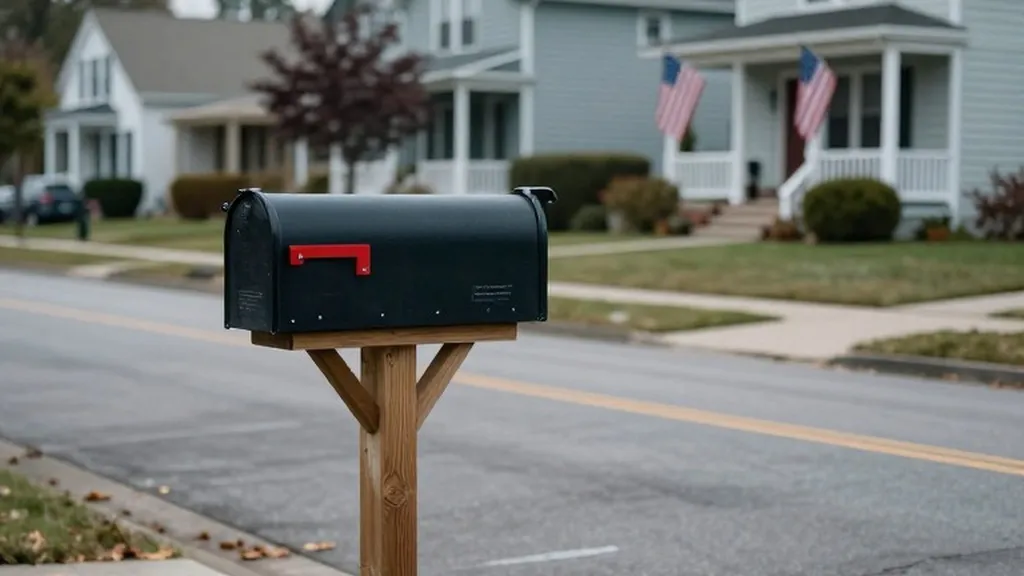
The administration's approach to election administration has also become a point of contention, with the Justice Department threatening to prosecute local election officials. A federal judge temporarily barred the Trump administration from carrying out a plan intended to prevent noncitizen voting, a move critics say risks disenfranchising eligible voters. Additionally, a judge ordered the administration to stop demanding that California election officials segregate ballots cast by people on lists of suspected noncitizens. These legal battles occur as the U.S. Postal Service adds hours, staff, and special lines to ensure mail ballots are counted on time. The administration's lawsuit in Alaska, related to the certification of the Senate result, further underscores the high stakes of the election's administrative process.
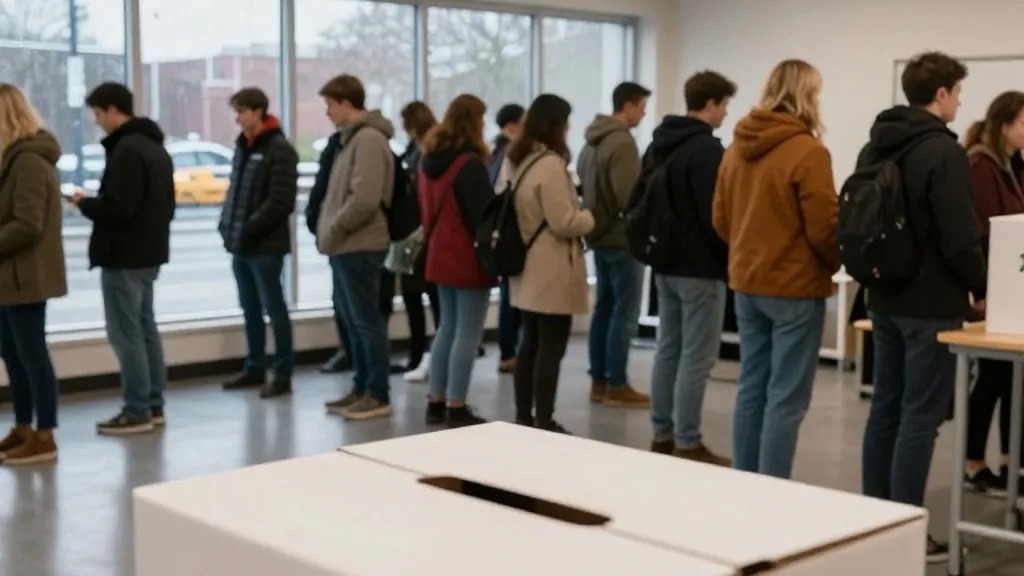
Voters are heading to the polls today with a clear sense of the issues at stake, from the cost of living to health care and the conduct of the Iran war. In Palm Beach Gardens, Florida, voter Mark Barker expressed support for the president, stating, "I've just been following Trump the whole time. I really think he's doing an awesome job." This divide in opinion reflects the broader national sentiment, where approval ratings remain low but enthusiasm among the base is high. The U.S. Postal Service has prepared for a high volume of mail-in ballots, recognizing the importance of timely processing in states that rely heavily on this method.