House Fight: 46 Toss-Ups, New Maps, and a Three-Seat Margin
With all 435 House seats up for grabs, Democrats need a net gain of three districts to seize control, a task complicated by redistricting and a significant Republican spending advantage.
By Sanjay Caldwell ·
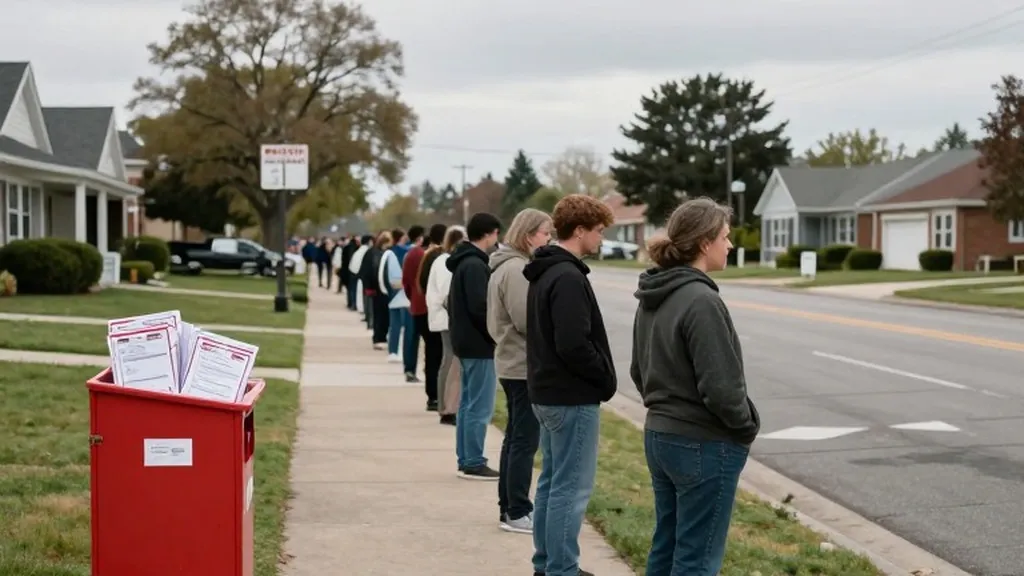
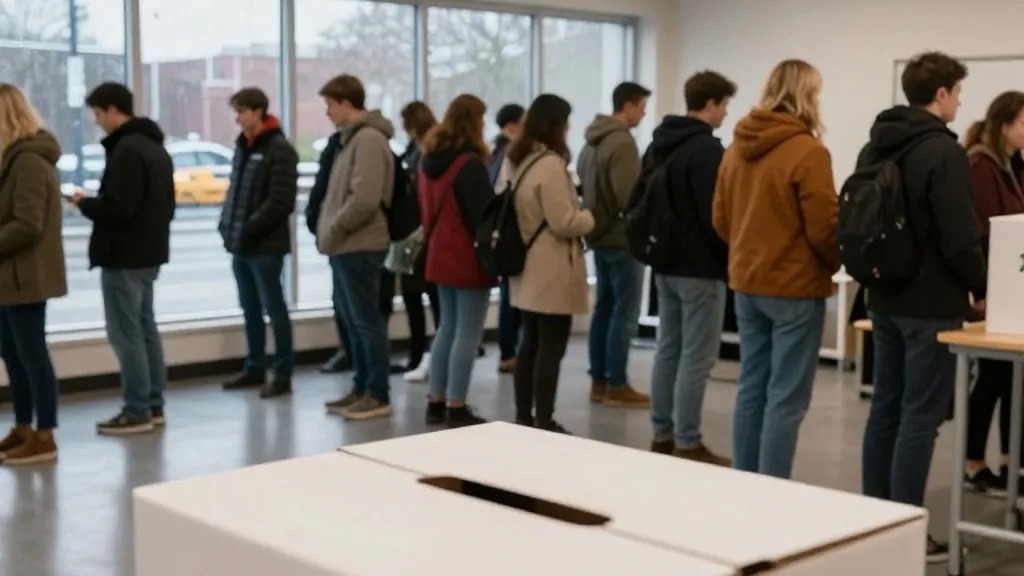
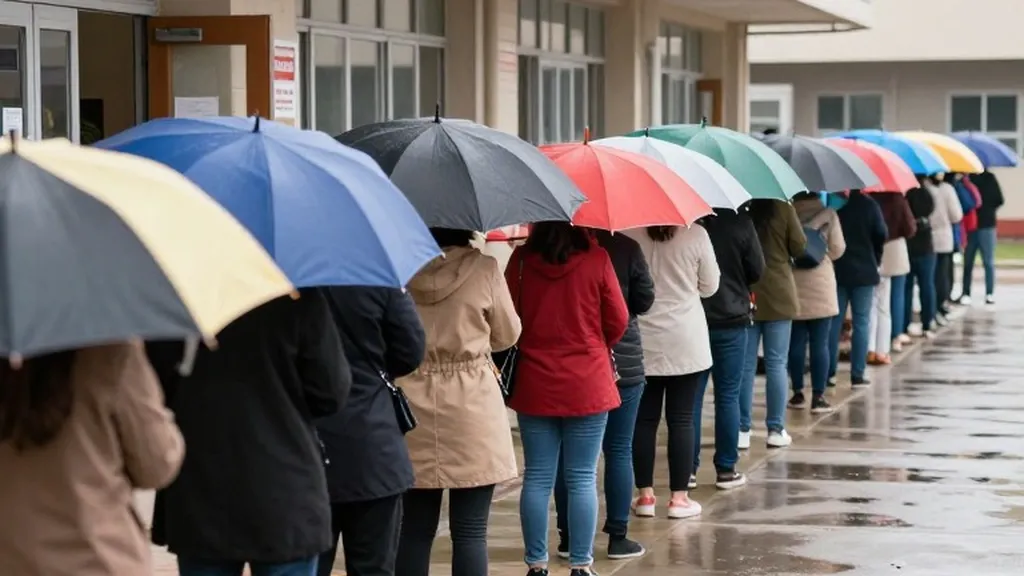
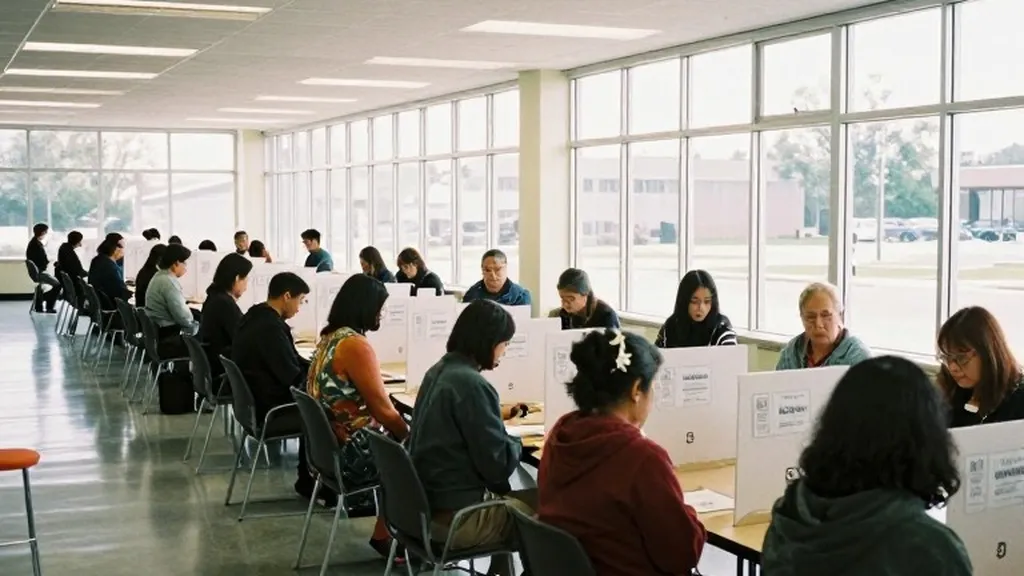
Voters across the United States are casting ballots on Tuesday, November 3, 2026, to determine which party will control the U.S. House of Representatives for the final two years of President Donald Trump's second term. All 435 seats are on the ballot, with Republicans currently holding 218 seats and Democrats holding 214. One independent also holds a seat. For Democrats to achieve a majority, they must win a net gain of three districts, while Republicans can afford to lose no more than two seats to maintain their current control.
The Associated Press describes the election as a referendum on the president's performance, noting that voters are struggling with high prices and anger over an unpopular war with Iran. Polling from AP-NORC indicates that 35 percent of U.S. Adults approve of Trump's job performance, while only 25 percent approve of his handling of the economy. About seven in ten Americans say the country is heading in the wrong direction, and most blame the president for rising costs. These economic concerns are driving voter engagement, with more than 57 million people having already voted as of Monday, surpassing early vote totals from four years ago in many closely watched states.
Ballotpedia identifies 46 battleground districts in the House race. Of these, 25 are currently held by Democrats and 21 by Republicans. The competitive nature of these districts is heightened by the fact that 21 Democratic-held districts voted for Trump in the 2024 presidential election, while nine Republican-held districts voted for Kamala Harris. This overlap creates a volatile landscape where local incumbents face challenges from both the national mood and the specific demographics of their districts.
Redistricting plays a significant role in this year's contest. Six states are using new congressional maps after mid-decade redistricting: California, Florida, Missouri, North Carolina, Tennessee, and Texas. Ohio is also utilizing a new map. These changes have altered the political boundaries of many districts, with Republicans attempting to use redistricting to beat the historical midterm pattern where a president's party almost always loses seats. However, analysis suggests that new districts in Florida and elsewhere may not vote as strongly for Republicans as they were drawn to favor them.
Money is a major factor in the House race. The 2026 elections are likely to be the most expensive in history. Republican committees have outraised and outspent Democratic committees, aided by Trump-affiliated groups and billionaire Elon Musk. An AP analysis of AdImpact data shows that 88.1 percent of Republican general election TV ad spending went to states and districts that Trump won in 2024. This includes more than $850 million spent in areas where he won by 10 points or more. In contrast, at the candidate level, Democrats have outraised their opponents, indicating a different strategy in direct competition.
Sixty House incumbents are not running again, with 23 Democrats and 37 Republicans stepping aside. This high turnover rate opens up numerous open seats that are often more competitive than districts with established incumbents. The Democratic Congressional Campaign Committee Chair, Rep. Suzan DelBene, stated that the American people are angry and want change. She emphasized the focus on the cost of living and health care, issues that resonate with voters like James Moore, a 57-year-old librarian in Raleigh, North Carolina, who cited higher taxes and healthcare costs as his primary concerns.
The Republican National Committee Chairman, Joe Gruters, noted that everything depends on turnout. He said that if they turn out their voters, they will win, which is the core of their planning strategy. Trump held dozens of rallies to boost Republican turnout, ending Sunday in Salina, Kansas, where he told supporters to pretend he was on the ballot. His schedule included stops in Mississippi, South Carolina, and Texas. Many Republican candidates kept their distance from the president, who has continued to make false claims about voting fraud, including that noncitizens vote in large numbers.
The administration has been involved in legal battles that affect the election administration. A federal judge temporarily barred the Trump administration from carrying out a plan to prevent noncitizen voting, while another judge ordered the administration to stop demanding that California election officials segregate ballots cast by people on lists of suspected noncitizens. The U.S. Postal Service added hours, staff, and special lines to ensure mail ballots are counted on time. These administrative efforts are crucial as Democrats fear interference and intimidation, particularly as the Justice Department threatens to prosecute local election officials.
If Democrats win the House, House Democratic Leader Hakeem Jeffries would be the first Black speaker of the House. He has outlined a 100-day agenda focused on the cost of living and oversight of the administration. A strong Democratic night would also boost potential 2028 candidates, including Gavin Newsom, JB Pritzker, and Pete Buttigieg. Conversely, a Republican hold would allow them to continue their oversight role, though with less power to block legislation. The results of this election will shape the political landscape for the remainder of Trump's term and set the stage for the 2028 presidential race.
As polls close in various states, the focus remains on the 46 battleground districts where the outcome of the House race will be decided. Voters are weighing the national issues of inflation and war against local concerns about representation and district changes. The three-seat margin required for a Democratic majority makes every district critical, and the interplay of new maps, high spending, and voter turnout will determine which party controls the chamber.