Iran War and Inflation Define High Stakes in 2026 Midterms
Voters decide congressional control amid an unpopular conflict, with Democrats seeking oversight and Republicans defending their slim majorities.
By Sanjay Caldwell ·
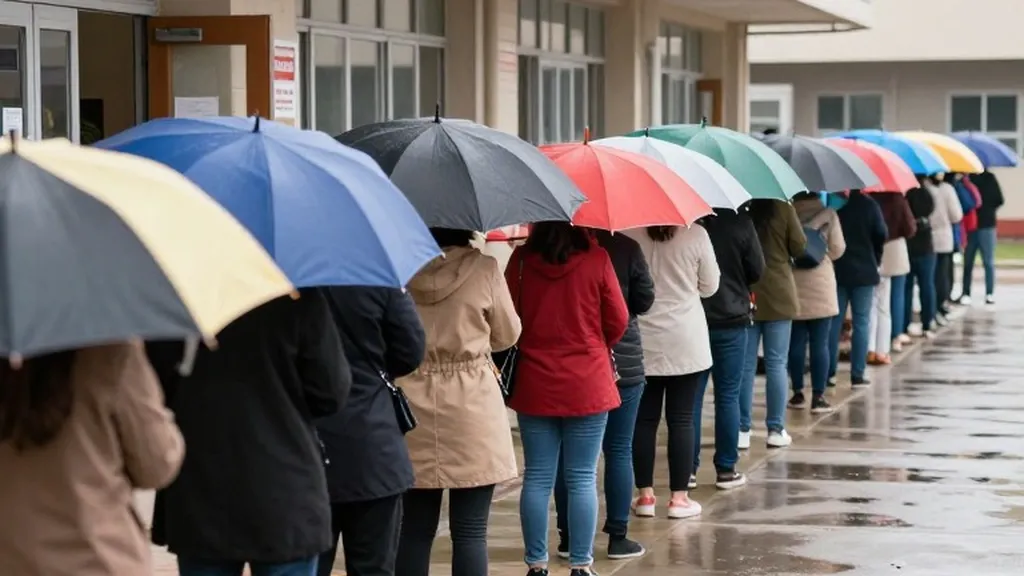
Election Day has arrived for the 2026 midterm elections, a contest that will determine which party controls the U.S. Congress for the final two years of President Donald Trump's second term. The Associated Press describes this vote as a direct referendum on the administration, noting that voters are struggling with high prices and expressing anger over an unpopular war with Iran. The results of today's voting will shape the balance of power in both the House and the Senate, with significant implications for the administration's legislative agenda and oversight mechanisms.
In the U.S. House, all 435 seats are up for election. Republicans currently hold 218 seats, while Democrats hold 214, with one independent and vacancies remaining. For Democrats to secure a majority, they need a net gain of three districts, meaning Republicans can lose no more than two seats. Ballotpedia identifies 46 battleground districts that could swing the balance of power. Among these are 21 districts held by Democrats that voted for Trump in the 2024 presidential election, alongside nine Republican-held districts that supported Kamala Harris. The high number of contested seats reflects the close nature of the race and the potential for a shift in the chamber's leadership.
The Senate race involves 35 seats, including 33 regular elections and two special elections for the remainder of the terms held by Marco Rubio in Florida and JD Vance in Ohio. Republicans hold 53 seats and Democrats hold 45, with two independents caucusing with Democrats. A net gain of four seats is required for Democrats to take control of the upper chamber. Key battlegrounds include Maine, which is rated as a toss-up by all major trackers, and Iowa, which is considered a toss-up or a tilt toward Republicans. The outcome in these states will be critical, as Republicans can afford to lose only two seats to maintain their majority.
The war with Iran has emerged as a central issue in the campaign, with the Associated Press noting that voters are angry over the conflict. This sentiment is compounded by economic concerns, as AP-NORC polling indicates that only 35 percent of U.S. adults approve of Trump's job performance and 25 percent approve of his handling of the economy. Approximately seven in ten adults say the country is heading in the wrong direction, with most blaming the president for high prices. The administration's handling of the conflict and the resulting economic strain have become focal points for both parties, influencing voter turnout and candidate messaging.
Democrats are approaching the election with cautious optimism, focusing on the cost of living and oversight of the administration. House Democratic Leader Hakeem Jeffries has outlined a 100-day agenda that includes measures to address inflation and conduct investigations. If Democrats win even one chamber, investigations and possible impeachment proceedings are likely to become a central feature of the legislative process. The party's strategy relies on turning out voters who are dissatisfied with the current administration's performance, particularly regarding the Iran war and economic policy.
Republicans, bracing for the possibility of losing the House, are fighting to hold the Senate. They have relied on redistricting efforts to maintain their advantage, with six states using new congressional maps after mid-decade redistricting. However, the AP notes that new districts in Florida and elsewhere may not vote as drawn, adding uncertainty to their strategy. Republican committees have outraised and outspent Democratic committees, aided by Trump-affiliated groups and Elon Musk. Despite this financial edge, the party faces challenges in maintaining enthusiasm among voters who are concerned about the war and the economy.
The financial dynamics of the election are significant, with the 2026 races likely to be the most expensive in history. Analysis of AdImpact data by the AP shows that 88.1 percent of Republican general election TV ad spending went to states and districts Trump won in 2024. This includes more than $850 million spent in areas where he won by 10 points or more. In contrast, Democratic candidates outraised their opponents at the candidate level, suggesting a different approach to funding and outreach. The disparity in spending highlights the importance of targeted advertising and the efforts to influence voter perceptions in key battlegrounds.
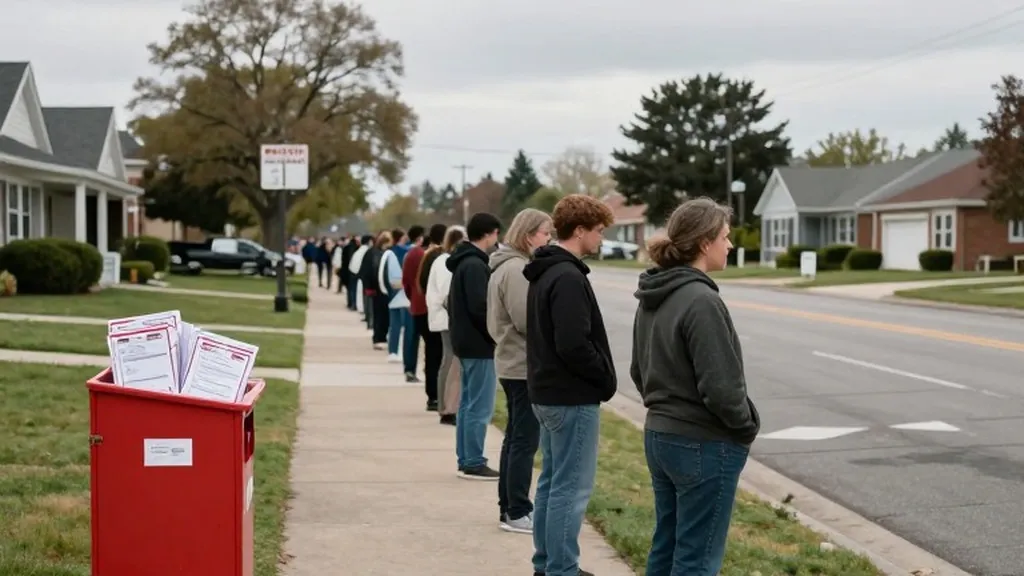
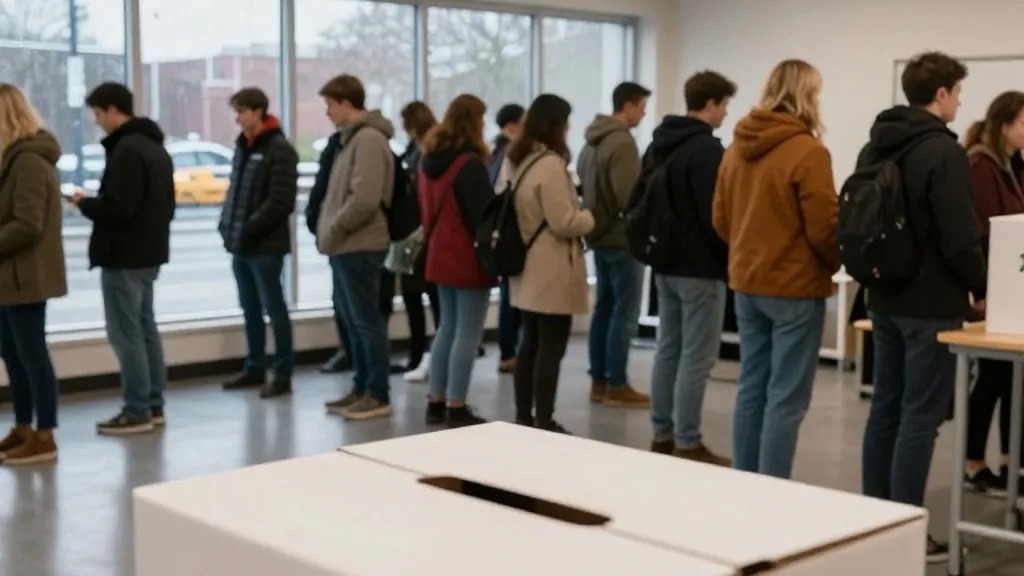
Voter sentiment is a critical factor in today's election, with more than 57 million people having already voted as of Monday. This surpasses the early vote of four years ago in many closely watched states. Voters like James Moore, a librarian in Raleigh, North Carolina, cite rising taxes and healthcare costs as primary concerns. Conversely, voters like Mark Barker of Palm Beach Gardens, Florida, express support for the president's performance. The AP notes that Trump held dozens of rallies, ending in Salina, Kansas, where he urged voters to pretend he was on the ballot. His campaign has continued to make claims about voting fraud, including allegations of noncitizen voting, which has led to legal challenges in states like Alaska and California.
The election administration has faced several legal and logistical challenges. A federal judge temporarily barred the Trump administration from implementing a plan to prevent noncitizen voting, citing concerns about disenfranchising eligible voters. Additionally, the administration was ordered to stop demanding that California election officials segregate ballots cast by people on lists of suspected noncitizens. The U.S. Postal Service has added hours, staff, and special lines to ensure mail ballots are counted on time. These administrative issues underscore the importance of a smooth voting process and the ongoing debate over election integrity.