Trump rallies dozens, but candidates keep distance as fraud claims mount
The president’s aggressive campaign strategy clashes with a low approval rating and legal battles that are reshaping the midterm landscape.
By Takeshi Faure ·
President Donald Trump ended a grueling schedule of dozens of rallies on Sunday in Salina, Kansas, where he urged supporters to imagine him as a candidate in the upcoming midterms. He told the crowd, 'I really want you to pretend I'm on the ballot.' This direct appeal highlights the central role the president is playing in the election, even as he officially campaigns for his party. His recent travel itinerary included stops in Mississippi, South Carolina and Texas, reflecting a national effort to boost turnout for Republicans. However, the president’s high profile has created a complex dynamic on the ground. Many Republican candidates are keeping a visible distance from the president to appeal to moderate voters. This strategy is evident in several key Senate races where local candidates are focusing on state issues rather than national politics.
The president’s involvement is complicated by his current standing in national polling. According to AP-NORC polling released on November 3, only 35 percent of U.S. Adults approve of Trump’s job performance. His approval rating on the economy is even lower, with just 25 percent of adults approving of his handling of economic issues. These numbers suggest a challenging environment for Republican candidates. About seven in ten Americans say the country is heading in the wrong direction. Most of these voters blame the president for high prices. This sentiment is driving a wave of voter anger that Democrats are hoping to capitalize on. The election is widely viewed as a referendum on the president’s second term, with voters struggling with cost of living issues and an unpopular war with Iran.
Trump has continued to make claims about voting fraud, including assertions that noncitizens vote in large numbers. These statements have fueled legal battles that are now influencing the election administration. His administration sued in Alaska and California regarding the certification of results and the handling of ballots. Critics argue that these lawsuits risk disenfranchising eligible voters. A federal judge temporarily barred the administration from carrying out a plan intended to prevent noncitizen voting on Monday. Another judge ordered the administration to stop demanding that California election officials segregate ballots cast by people on its lists of suspected noncitizens. These legal moves have raised concerns among Democrats about potential interference and intimidation. The Justice Department has threatened to prosecute local election officials, adding to the tension surrounding the vote count.
The financial dynamics of the 2026 elections are also shaped by the president’s influence. The Associated Press notes that these elections will likely be the most expensive in history. Republican committees have outraised and outspent Democratic committees, aided by Trump-affiliated groups and billionaire Elon Musk. At the candidate level, however, Democrats have outraised their opponents. This disparity in spending reflects the different strategies employed by the two parties. Republican committees have poured money into states and districts that Trump won in 2024. According to AP analysis of AdImpact data, 88.1 percent of Republican general election TV ad spending went to these areas. More than 850 million dollars was spent in districts where the president won by 10 points or more. This heavy investment signals a focus on defending the president’s core base while attempting to flip key seats.
The president’s role in selecting candidates has also been a point of contention. In Texas, Trump backed Attorney General Ken Paxton over incumbent Senator John Cornyn in the primary. This endorsement marked a break with tradition and highlighted the president’s direct influence on the party’s slate. In other races, candidates are navigating the waters of a divided party. For example, in Michigan, Democrat Abdul El-Sayed’s former primary opponent Haley Stevens endorsed Republican Mike Rogers on Sunday. This cross-aisle support illustrates the complex alliances forming in battleground states. The president’s rallies have served as a rallying cry for his base, but they have also exposed fractures within the Republican coalition. Candidates are trying to balance loyalty to the president with the need to win over undecided voters.
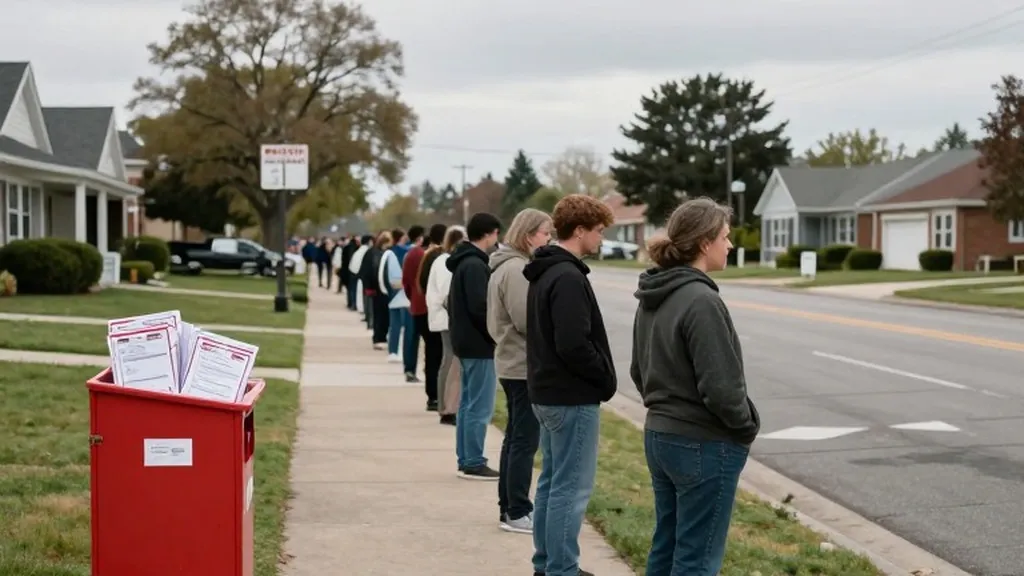
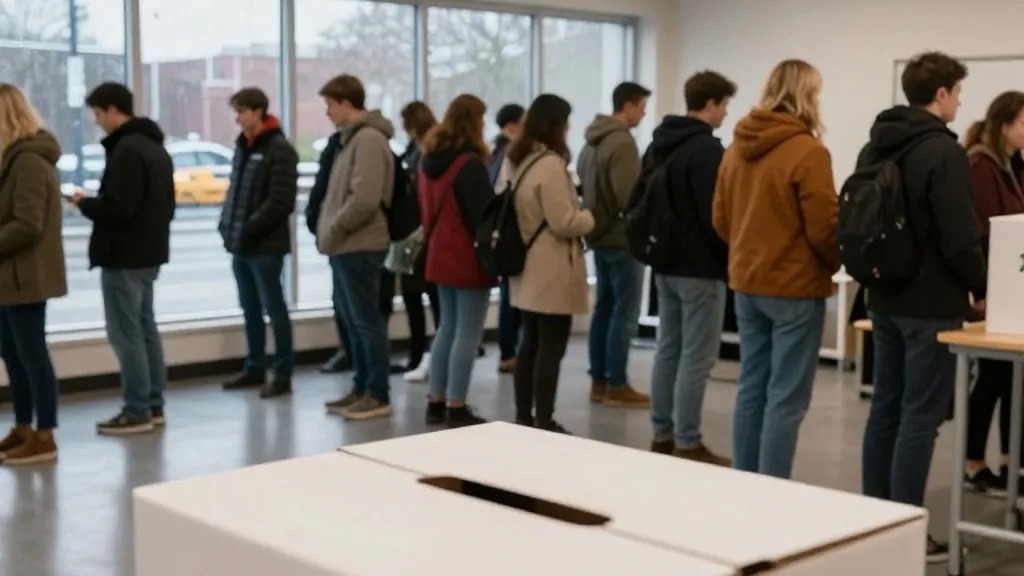
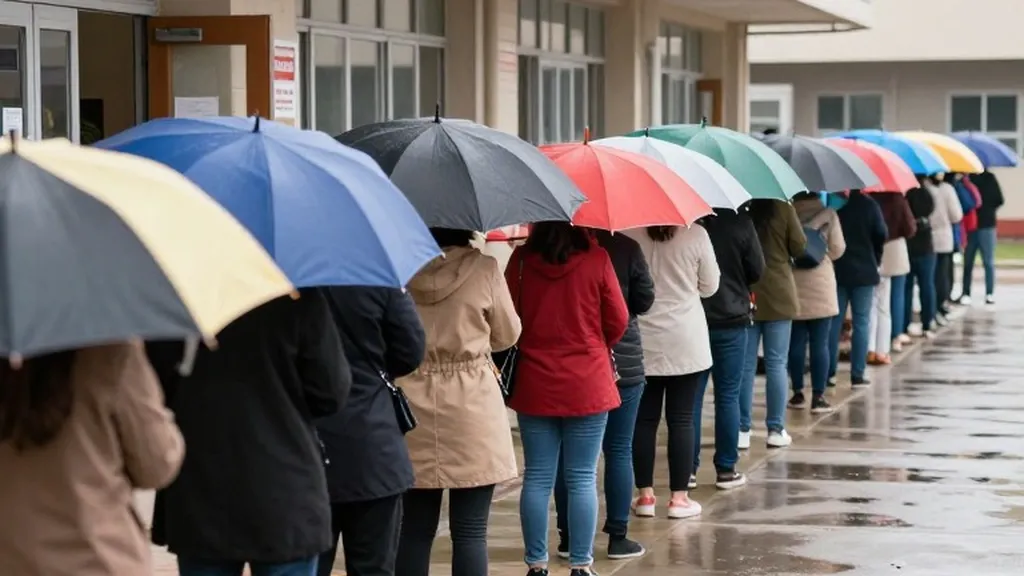
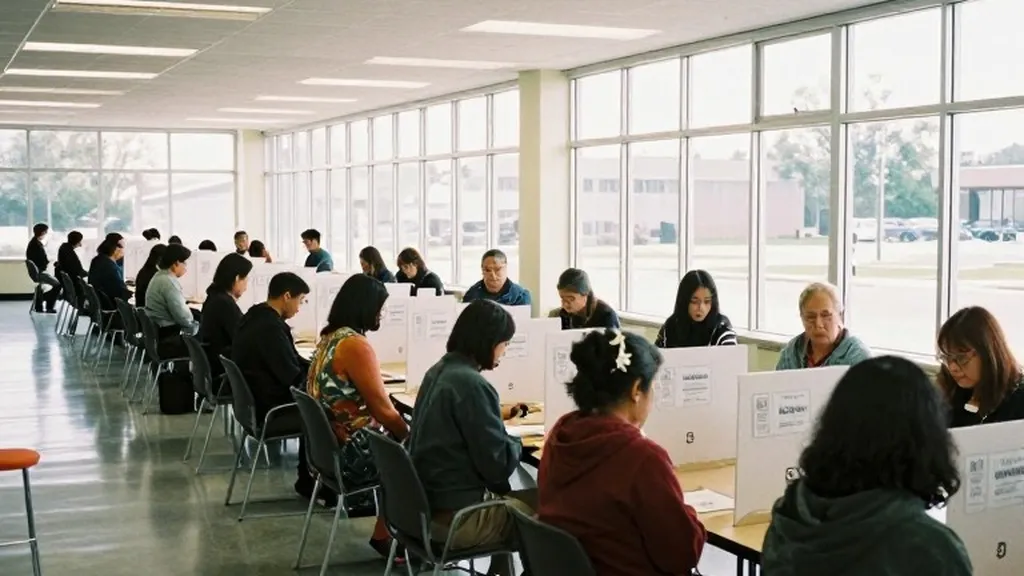
The mood among voters is one of frustration and urgency. More than 57 million people had already voted as of Monday, surpassing the early vote of four years ago in many closely watched states. This high level of early participation suggests a highly engaged electorate. In Palm Beach Gardens, Florida, voter Mark Barker said he has been following Trump the whole time and believes he is doing an awesome job. In contrast, James Moore, a 57-year-old librarian in Raleigh, North Carolina, expressed frustration over rising costs. Moore said he is paying more taxes, more for healthcare and more for everything. These individual stories reflect the broader national sentiment. Voters are making decisions based on their personal economic experiences and their views of the current administration.
The stakes for the president are high as he enters the final two years of his term. If Democrats win even one chamber of Congress, investigations and possible impeachment proceedings become likely. House Democratic Leader Hakeem Jeffries, who would be the first Black speaker if his party takes the House, has outlined a 100-day agenda focused on the cost of living and oversight of the administration. A strong Democratic night would also boost potential 2028 candidates such as Gavin Newsom, JB Pritzker and Pete Buttigieg. It could complicate the path of Vice President JD Vance. Republicans are trying to beat the typical midterm pattern of losing seats. They have used redistricting to draw favorable maps in states like Florida and Texas. However, new districts may not vote as intended, adding uncertainty to the outcome.