Trump's $5,000 Dividend Promise Faces Skepticism and Fiscal Hurdles
The payout, conditioned on GOP control of Congress, is called a creative idea by Speaker Johnson, but experts question the funding source and timing.
By Takeshi Faure ·

President Donald Trump stands on the precipice of a high-stakes gamble as voters prepare to cast ballots in the 2026 midterm elections. The campaign has been defined by a referendum on the president's second term, with citizens grappling with high prices and dissatisfaction with the ongoing war with Iran. Against this backdrop, Trump has introduced a bold financial incentive designed to rally the base and secure the party's hold on Capitol Hill.
During a nearly two-hour address at the Republican Midterm Convention in Dallas, Trump pledged to send a $5,000 check to every adult citizen in the United States if his party retains control of both the House and the Senate. He branded the initiative the Trump dividend, framing it as a reward for voters who keep the Republicans in power. The president argued that the nation's economic success, driven largely by tariff revenues, makes the payout not only feasible but necessary to share the wealth with the American people.
The proposal has immediate implications for the national budget, with estimates suggesting the program could cost more than $1 trillion. This figure places additional strain on the country's existing annual budget deficit, which is already nearing $1.8 trillion. Critics argue that adding such a massive expenditure to the federal ledger risks exacerbating inflation and increasing interest rates, a challenging combination for a governing party seeking to maintain its majority in a divided economy.
House Speaker Mike Johnson, a key figure in the Republican establishment, addressed the logistical hurdles on Sunday. Johnson stated that while he supports the president's vision, the plan requires congressional approval to become law. He described the proposal as a creative idea and committed to working with the administration to find a path forward, despite the slim Republican margin in the House. Johnson’s remarks suggest that the payment is not an automatic executive action but a legislative undertaking that will require negotiation and consensus among lawmakers.
Bipartisan criticism has emerged regarding the timing and substance of the promise. Some Republicans, including Texas Representative Chip Roy, have questioned whether such a large payment creates a dependency on the government. Democrats have pointed to the president's low approval ratings, noting that only a third of U.S. adults approve of his handling of the presidency. They argue that the dividend is an attempt to buy votes in an election where the cost of living and health care remain the top concerns for voters.
Fiscal experts have cast doubt on the sustainability of the plan. The White House has pointed to tariff revenues as a primary funding source, but the Tax Foundation noted that the cost of the checks would consume almost all the revenue projected from new tariffs over the next decade. Furthermore, the Supreme Court recently struck down a significant portion of the administration's tariffs, complicating the revenue projections that Trump cited during his convention speech. The administration has not provided a formal, detailed plan for how the checks would be distributed or funded beyond these general assertions.
PolitiFact has analyzed the promise and concluded that while the payment is legally permissible as a campaign promise, its realization is far from certain. The fact-checkers highlighted that no specific legislation has been introduced to fund the dividend, and political analysts say such a bill is unlikely to achieve the required supermajority in the Senate. This uncertainty adds a layer of skepticism to the president's confident declaration that the $5,000 payment is going to happen 100%.
The promise fits into a broader pattern of financial pledges made by the administration. In early 2026, military service members received a warrior dividend of $1,776, and the White House announced smaller refunds for Medicare and Affordable Care Act enrollees. However, the scale of the $5,000 dividend is unprecedented in recent midterm campaigns. Election law experts note that while the promise is protected by the First Amendment, its fulfillment depends entirely on the political will of the incoming Congress.
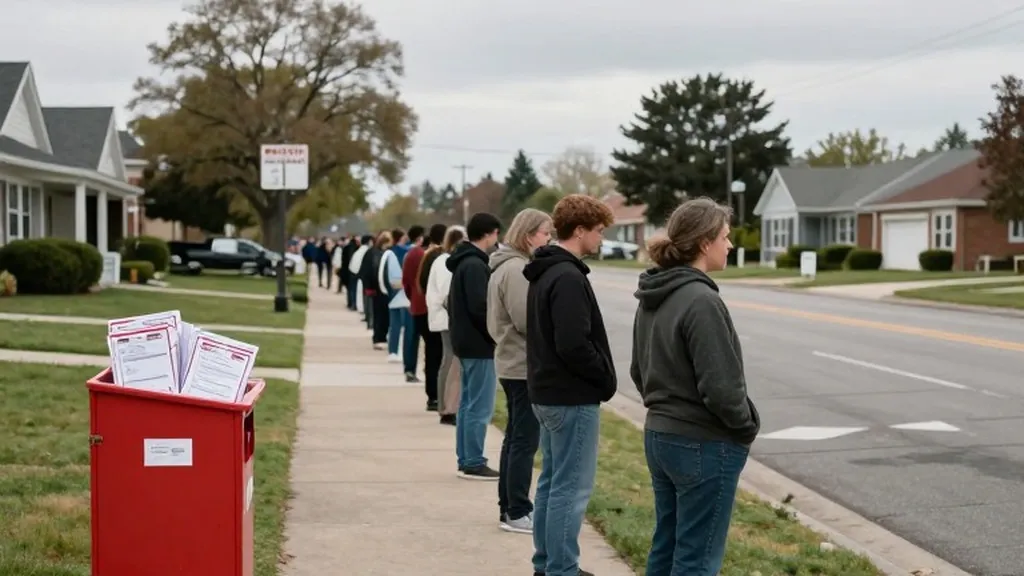
As polls open across the country, the focus shifts to the practicalities of the election. Democrats need a net gain of three districts in the House and four seats in the Senate to achieve a majority, while Republicans can afford to lose only two seats in each chamber. The outcome will determine whether the Trump dividend becomes a legislative priority or remains a campaign slogan. The new congressional maps in states like Texas and California will also play a role in shaping the final balance of power.
The administration continues to defend the plan, with spokespersons noting that the president has a history of delivering on major policy goals. They contrast the Republican record of tax cuts and spending reductions with what they describe as the Democratic record of inflation. For voters, the decision involves weighing the potential for a direct cash payment against the long-term fiscal implications of the debt and the immediate pressures of the war with Iran and rising gas prices.
In the end, the $5,000 dividend serves as a focal point for the election's central tension: the desire for immediate economic relief versus the need for fiscal prudence. Whether the check arrives in mailboxes next year or remains a promise on the campaign trail will depend on the narrow margins that could decide the control of Congress. The coming weeks will reveal if the American public is willing to back this ambitious and expensive proposal.