Democrats seize Congress and six state governments in historic midterm wave
Voters have handed Democrats control of both chambers of Congress and majority control in at least six state governments, marking a decisive shift in power.
By Takeshi Faure ·
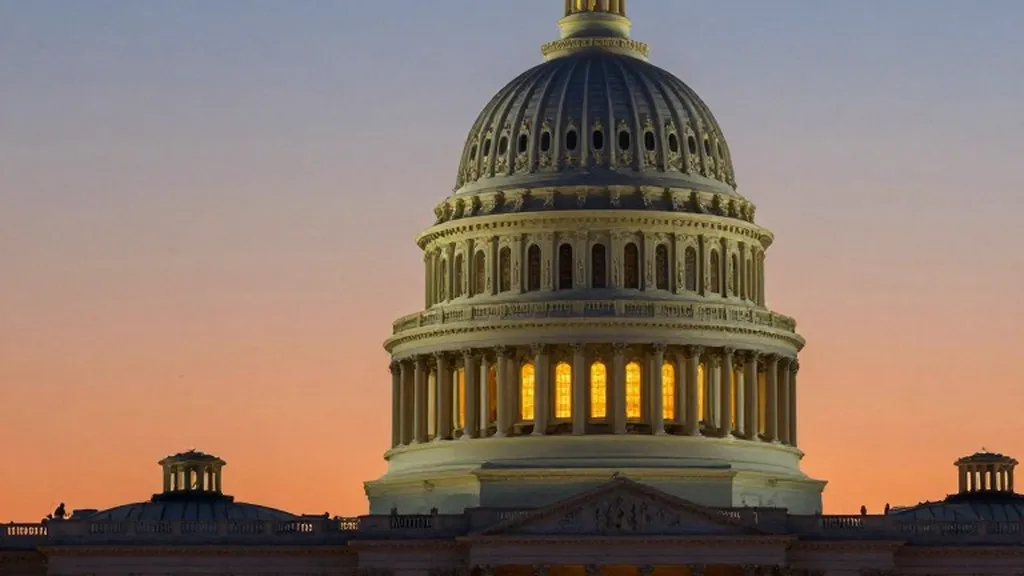
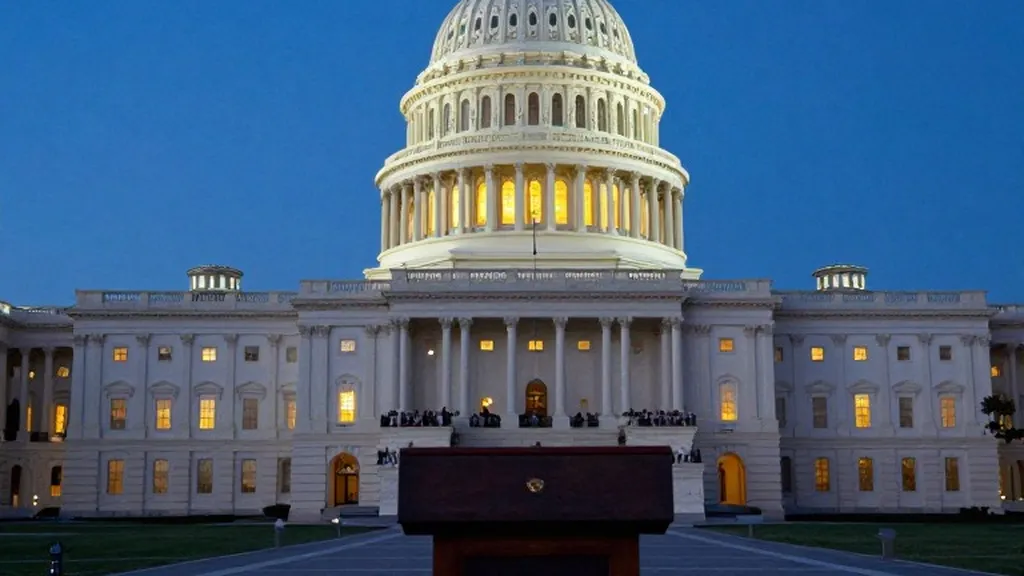
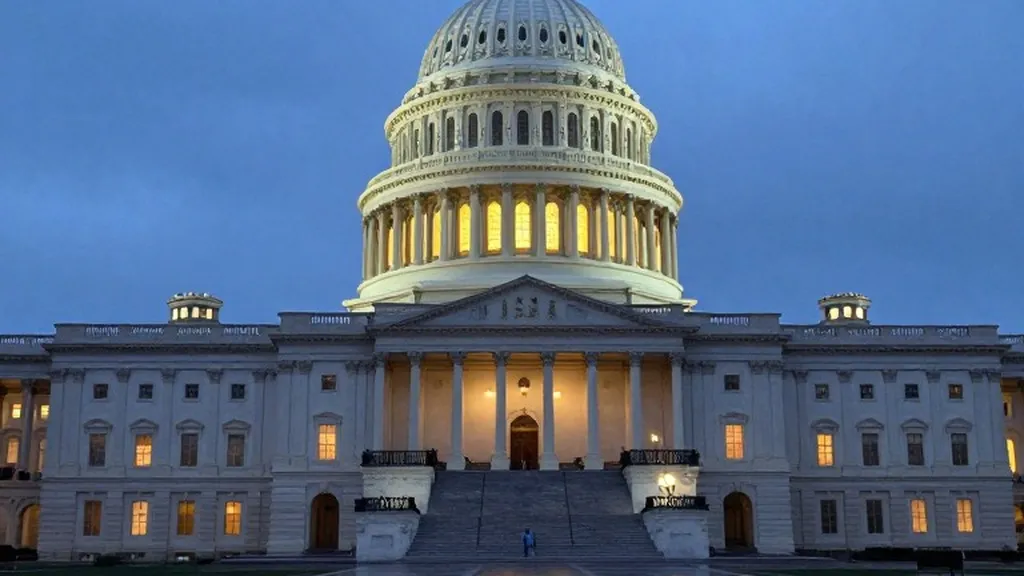
Washington, D.C., is now firmly in Democratic hands following Tuesday's midterm elections, as the party secured majorities in both the U.S. House of Representatives and the U.S. Senate. According to election data compiled as of 4:00 p.m. ET on November 6, Democrats have won at least 250 House seats to Republicans' 157, with 28 races still uncalled. This net gain of at least 41 seats far exceeds the three districts the party needed to flip the chamber. In the Senate, Democrats have captured 20 seats while Republicans hold 13, with two races remaining undecided. This seven-seat swing in the upper chamber grants Democrats a 54 to 44 majority, a level of control that was considered unlikely earlier in the year despite a map widely viewed as favorable to the Republicans.
The victory represents a wave of change that extends well beyond the federal capital. Democrats have won full control of state governments, known as trifectas, in at least six states where they previously shared power with Republicans. These states include Arizona, Michigan, Minnesota, Pennsylvania, Nevada, and Wisconsin. In Arizona, the party secured its first trifecta since 1966, flipping both legislative chambers while retaining the governor's office held by Katie Hobbs. The National Council of State Legislatures suggests this election may result in the most legislative seats and chambers changing parties since the 2010 election, a period when Republicans took over governments across the country during the Great Recession.
The shift in state power is particularly significant in Texas, where Democrats won control of the state House for the first time since 2003. The party also elected Gina Hinojosa as the state's first Democratic governor since 1994, making her the first Latina to hold the office. Although Republicans retained the Texas Senate, the Democratic sweep of other executive and legislative offices signals a major realignment in a state that has been a primary target for federal immigration enforcement under the current administration. This victory has already prompted immediate action, with Houston Mayor John Whitmire directing police to limit cooperation with federal immigration authorities, a move he described as a direct result of Democrats reclaiming power in the state.
Voters cast their ballots in what many considered a referendum on President Donald Trump's second term, driven by deep frustration over the cost of living and the ongoing war in Iran. Pre-election polling indicated that three-quarters of voters viewed the economy as poor or not so good, and about eight in ten reported that inflation had caused moderate or severe financial hardship for their households. These economic anxieties, combined with concerns about government corruption, proved more potent than the Republican money advantage, which saw outside groups spend at least $2 billion on Senate races alone. Despite Republican-aligned groups spending roughly 60 percent more than their Democratic counterparts, the party still suffered a net loss of at least seven Senate seats.
The Democratic gains in the Senate include victories in seven previously Republican-held seats across Iowa, Kansas, Maine, North Carolina, Ohio, South Carolina, and Texas. Notably, Kansas, a state that has not sent a Democrat to the U.S. Senate since 1932, will soon be represented by Rev. Adam Hamilton. Georgia also made history by electing Keisha Lance Bottoms as the state's first Democratic senator in more than two decades and the first Black woman governor in the country. These wins in historically red states demonstrate that the Democratic coalition has expanded beyond traditional blue-state strongholds, challenging the notion that the party is limited to specific geographic regions.
In the House, Democrats overcame a challenging redistricting landscape that included new maps in six states, including California, Florida, and Texas. The party's ability to win at least 43 seats from Republicans, including one from an independent, shows a broad appeal that cut across various district types. With the new majority, Democrats are expected to focus on oversight of the administration, particularly regarding the Iran war and economic policies. Representative Richard Neal, who is expected to regain chairmanship of the House Ways and Means Committee, has stated his commitment to reversing what he calls unjustified tariffs and backroom trade deals, signaling an aggressive legislative agenda for the coming two years.
The control of Congress also brings a new level of scrutiny to the White House's ambitious renovation projects. A federal court has temporarily blocked President Trump from breaking ground on a 250-foot triumphal arch near Arlington National Cemetery, an order that followed a vote by a federal planning commission. While the administration launched a website promoting the structure as a United States Military Triumphal Arch, Democrats in their new congressional roles are poised to examine the project's costs and funding. The arch, which features gold ornamentation and plans for a sniper nest, is one of several high-profile projects that will face increased legislative hurdles as the new session begins in January.
Democratic leaders are already looking ahead to how they will leverage their new power to address the issues that drove voters to the polls. The focus will likely include expanding healthcare access, tackling the high cost of essentials like gas and groceries, and imposing checks on executive authority. The party's unified control of state governments in key battlegrounds provides a testing ground for policies that could be scaled up at the federal level. For example, the new state legislatures in Arizona and Michigan are expected to work closely with their respective governors to implement changes in taxation and voting laws, areas where previous Republican majorities had often blocked Democratic initiatives.